20 January 2026
Adding New Dimensions to 7C's of Website Design: A 2026 Perspective
Web design has undergone significant transformations since the early 2000s. Rayport and Jaworski's influential 7C's framework (Context, Content, Community, Customization, Communication, Connection, and Commerce) provided a robust foundation for creating engaging and functional websites. However, as we venture further into 2026, the digital landscape demands an evolution. Websites now must also embody Credibility, Consistency, and Compliance. This article explores the original 7C's and introduces three additional critical components that modern website design ideas must integrate to thrive.
.png?width=1000&quality=85&format=webp)
Web design has undergone significant transformations since the early 2000s. Rayport and Jaworski's influential 7C's framework (Context, Content, Community, Customization, Communication, Connection, and Commerce) provided a robust foundation for creating engaging and functional websites. However, as we venture further into 2026, the digital landscape demands an evolution. Websites now must also embody Credibility, Consistency, and Compliance. This article explores the original 7C's and introduces three additional critical components that modern website design ideas must integrate to thrive.
What are the original 7C's of website design?
The foundation of effective web design rests on seven interconnected principles. These elements have guided digital experiences for over two decades. While they remain relevant, understanding their evolution helps us recognize why three additional dimensions became necessary.
Before you start with designing a website, you might want to look into why you're doing it in the first place. Check how to design a website in 2026 using our methods and processes. We explain how we approach the new 10C's framework at The Digital Bunch.
1. How does context shape your website's first impression?
Context refers to the overall layout and design of your website. This includes aesthetic appeal and navigational structure. It ensures your visual and functional design aligns with your purpose and audience.
Key Elements:
- Design: Colors, fonts, images, and overall visual style
- Layout: The arrangement of content and navigational elements
- Theme: The website's mood and feel, tailored to your target audience
Why It Matters: A well-designed context enhances user experience. Visitors navigate easily and find what they need. This leads to higher engagement and conversion rates.
Common Mistake: Many small business websites try to copy enterprise designs without considering their specific audience needs. Your local bakery doesn't need the same layout as Amazon.
Quick Win: Test your navigation with someone unfamiliar with your business. If they can't find your contact page in under 10 seconds, simplify.
2026 Trend: AI-powered adaptive interfaces now adjust layouts based on user behavior patterns in real-time.
2. What makes content drive traffic and engagement?
Content is the core of your website. It encompasses all textual, visual, and interactive elements that provide value. High-quality content attracts, engages, and retains visitors.
Key Elements:
- Text: Informative, engaging, well-written articles and descriptions
- Media: Images, videos, infographics that enrich user experience
- SEO: Optimization strategies for search engine discovery
Why It Matters: Compelling content drives traffic and keeps visitors engaged. It encourages desired actions like purchases or information sharing.
Common Mistake: Publishing content without a clear purpose or audience in mind. Every page should answer: "What does the visitor gain from reading this?"
Quick Win: Audit your top 10 pages. Update outdated information and add clear calls-to-action.
Real Example: When Premier Construction Software rebuilt their content strategy, they focused on answering specific customer questions. Traffic increased 200% in six months.
2026 Trend: AI content assistants help maintain consistency, but human expertise remains crucial for strategic direction and authentic voice.
3. Why does community building create loyal customers?
Community focuses on social aspects. It facilitates interaction and engagement among users. Creating spaces where users connect and share experiences builds lasting relationships.
Key Elements:
- Forums: Discussion boards for questions and insights
- Social Media Integration: Connecting with platforms to extend reach
- User-Generated Content: Reviews, testimonials, and contributions
Why It Matters: Strong communities foster loyalty and trust. Users become advocates who contribute to your website's success.
Common Mistake: Adding community features without resources to moderate them. Abandoned forums signal neglect more than no forum at all.
Quick Win: Start small with customer testimonials and social proof. Build from there as resources allow.
Real Example: Opus Platform integrated user reviews and feedback loops. This created a self-sustaining ecosystem where users helped improve the platform.
2026 Trend: Micro-communities around specific product features or use cases replace broad, unfocused forums.
4. How does customization increase conversion rates?
Customization allows websites to tailor content and features to individual preferences. Personalization makes interactions more relevant and engaging.
Key Elements:
- Personalized Content: Displaying content based on user behavior
- Adaptive Layouts: Changing layouts for different devices and screens
- User Preferences: Allowing preference settings like font size or dark mode
Why It Matters: Personalized experiences increase satisfaction and engagement. This leads to higher conversion rates and customer retention.
Common Mistake: Over-personalizing without transparency. Users feel tracked rather than helped.
Quick Win: Implement basic personalization like remembering cart items or showing related products based on browsing history.
Implementation Tip: Start with device-responsive design. Master that before adding behavioral personalization.
2026 Trend: Privacy-first personalization using on-device processing rather than server-side tracking.
5. What communication methods build trust fastest?
Communication is about interaction between your website and users. It includes how you convey information and how users provide feedback.
Key Elements:
- Interactive Features: Chatbots, contact forms, customer support options
- Content Updates: Regular updates keeping users informed
- Feedback Mechanisms: Tools for user feedback and suggestions
Why It Matters: Effective communication builds trust. It helps resolve issues quickly, improving overall user experience and fostering loyalty.
Common Mistake: Implementing chatbots that frustrate users with canned responses. Bad automation is worse than no automation.
Quick Win: Add a clear, easy-to-find contact page with multiple options (email, phone, form). Response time expectations set realistic expectations.
Real Example: Valley Insurance streamlined their communication channels. Customer inquiries dropped 40% because information was clearer upfront.
2026 Trend: AI assistants now handle 70% of routine inquiries effectively, freeing human support for complex issues.
6. Why are technical connections essential for scalability?
Connection involves technical aspects of linking your website to other systems. Seamless integration and data exchange ensure everything works together.
Key Elements:
- APIs: Interfaces enabling integration with other services
- Third-Party Tools: Integration for analytics, marketing, e-commerce
- Cross-Platform Compatibility: Working well across devices and platforms
Why It Matters: Strong connections enhance functionality. They provide cohesive user experiences across various touchpoints.
Common Mistake: Choosing incompatible tools that don't integrate well. Technical debt accumulates quickly.
Quick Win: Audit your current integrations. Remove unused tools and consolidate where possible.
Implementation Tip: When deciding how to build a site, choose platforms with robust API documentation and active developer communities.
2026 Trend: No-code integration platforms make connecting services accessible to non-technical teams.
7. How does commerce functionality convert browsers into buyers?
Commerce encompasses all elements related to online transactions. This is crucial for e-commerce websites facilitating purchases and managing transactions.
Key Elements:
- Product Catalogs: Well-organized displays of products or services
- Shopping Carts: User-friendly purchase management systems
- Payment Processing: Secure, reliable transaction methods
Why It Matters: Smooth, secure commerce experiences convert visitors into customers. This drives revenue growth.
Common Mistake: Complicated checkout processes. Every extra step costs conversions.
Quick Win: Enable guest checkout. Require account creation only after purchase completion.
Real Example: Brown Jordan Group used 3D product visualization to showcase 3,000 products. This reduced returns by 35% because customers knew exactly what they were buying.
2026 Trend: One-click payments and biometric authentication make checkout nearly frictionless.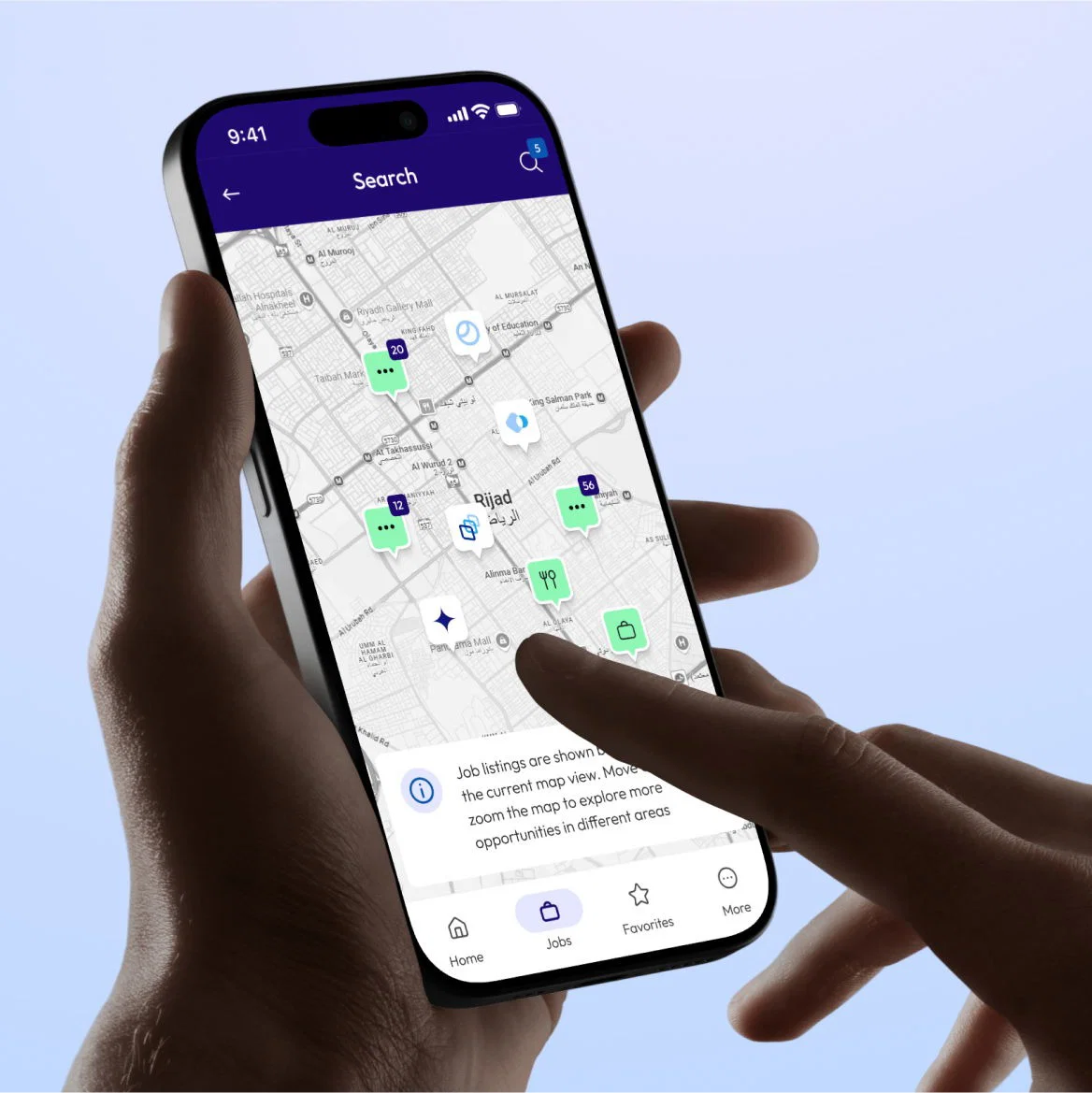
Why do modern websites need 3 additional C's?
The digital landscape in 2026 demands more than the original seven elements. Three additional components address fundamental shifts in how websites operate and how users evaluate them.
1. How does credibility affect your bottom line?
In an era of information overload and online fraud, credibility is paramount. Users must trust that your website provides accurate, reliable, authoritative information before they'll engage meaningfully with your business. This trust manifests in multiple ways, from the technical signals your site sends to search engines to the psychological comfort visitors feel when deciding whether to share their information or make a purchase.
Trust signals form the foundation of credible web presence. These include certifications from recognized authorities, security badges that verify payment processing safety, and endorsements from reputable organizations in your industry. Transparent policies covering privacy, refunds, and security practices demonstrate that you have nothing to hide. Expert content, whether produced by your team or endorsed by industry authorities, establishes your knowledge and competence in your field.
Search engines like Google have become sophisticated at recognizing and rewarding credible sites with higher rankings. Sites like Wikipedia or BBC consistently rank well because they demonstrate expertise through strong domain history, links from reputable sources, and secure connections. Users engage more deeply with these sites, spending more time on pages and bouncing less frequently, which signals to search algorithms that the content delivers genuine value.
Credibility directly impacts conversion rates in measurable ways. Companies like Apple and Amazon have perfected this approach, creating seamless experiences where every element reinforces trustworthiness. High-quality content that resonates with users, detailed product descriptions, and interactive features like product videos all contribute to an ecosystem of credibility. Building this requires consistent attention. Your website needs to function flawlessly, loading quickly across all devices. Professional images and videos that align with your brand identity create polish that amateur efforts can't match. Look at how Tesla uses high-quality visuals and interactive configurators to create experiences that feel premium and trustworthy.
Quick Win: Add an SSL certificate to enable HTTPS, display relevant security badges near payment areas, and showcase authentic customer testimonials with real names and photos. These changes deliver immediate credibility improvements.
2. Why does consistency matter across touchpoints?
Consistency refers to maintaining a uniform look, feel, and experience across all aspects of your website and related digital channels. This uniformity enhances brand recognition, builds trust through familiarity, and creates user experiences that feel intentional rather than haphazard. When visitors encounter your brand across different contexts, consistency ensures they immediately recognize and feel comfortable with your presence.
Visual identity forms the most obvious dimension of consistency. This includes consistent use of colors, typography, imagery styles, and design elements that create immediate brand recognition. Brands like Nike and Coca-Cola have perfected this approach, creating visual systems so distinctive that users recognize them instantly. This uniformity makes navigation intuitive because users learn your design language once and apply that knowledge across every interaction.
Beyond visual elements, consistency extends to voice and tone in all written content. User experience consistency matters equally. Websites like Spotify and Netflix exemplify cross-platform consistency. Whether accessing their services on desktop, tablet, or smartphone, the experience feels seamless and familiar. Users don't need to relearn how to interact with the brand when switching devices.
Achieving consistency requires deliberate planning and ongoing discipline. Start by defining clear brand guidelines that document everything from visual elements to content style and tone. Regular audits help spot inconsistencies that inevitably creep in over time. Slack demonstrates this commitment by continuously updating their platform to ensure new features align with overall design principles. User interaction patterns, including buttons, forms, and navigation, should work predictably and appear in expected locations throughout the site.
Quick Win: Create a simple brand guidelines document covering your core colors, fonts, logo usage, and tone of voice. Even a two-page guide prevents the most common consistency problems.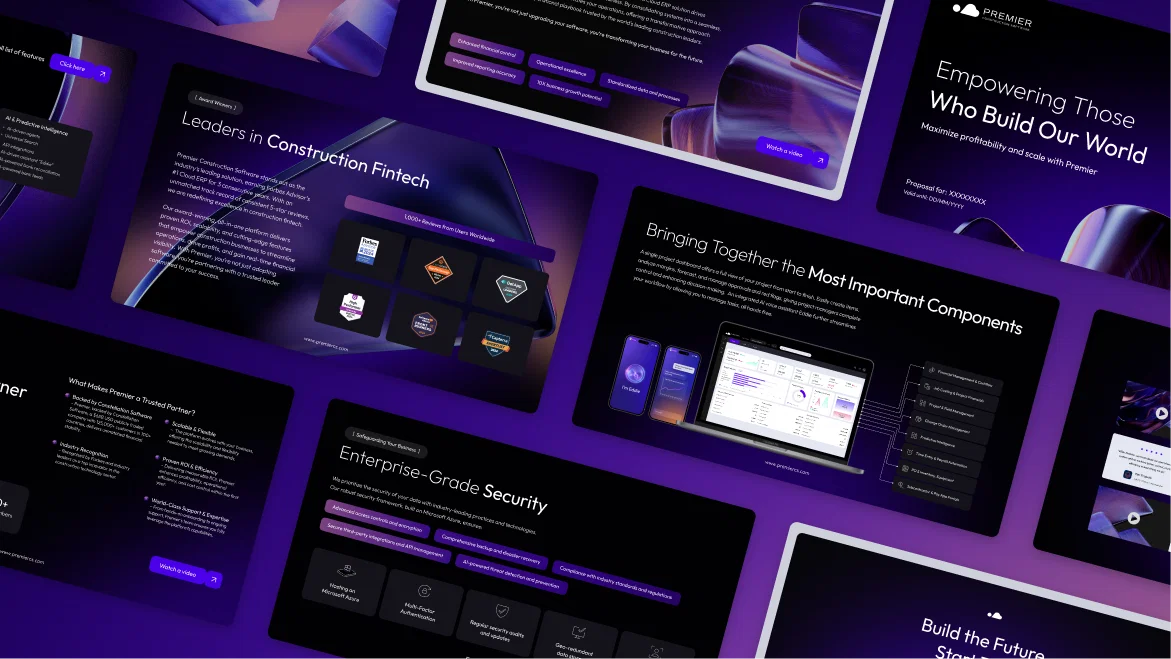
3. What compliance requirements can't you ignore?
Compliance involves adhering to legal, ethical, and industry standards that govern how websites operate and interact with users. In a world of increasingly stringent regulations and heightened privacy concerns, websites must ensure they comply with all relevant laws and standards or face significant consequences. This isn't just about avoiding penalties. Compliance demonstrates respect for users and commitment to ethical business practices, which builds trust and competitive advantage.
Data protection regulations like GDPR in Europe and CCPA in the United States impose specific requirements on how websites collect, store, use, and delete personal information. Cookie consent mechanisms, privacy policies, data deletion capabilities, and transparent disclosure aren't optional for sites targeting users where these laws apply. Even basic websites handling simple contact forms need to explain what information they collect, why they need it, and how they protect it.
Accessibility compliance ensures websites work for users with disabilities, expanding your potential audience while meeting legal requirements. Web Content Accessibility Guidelines (WCAG) provide technical standards for features like keyboard navigation, screen reader compatibility, and color contrast. Platforms like Microsoft and Adobe adhere to these guidelines, making their resources accessible to all users regardless of impairments. Security standards protect both your business and your users through regular security updates, secure coding practices, and incident response plans.
Achieving compliance requires proactive measures and ongoing vigilance. Conduct regular audits to assess adherence to relevant regulations. Implement robust security protocols to protect user data from breaches. Educate your team on compliance requirements and integrate them into development processes. Websites that prioritize compliance position themselves as trustworthy partners in an increasingly regulated landscape.
Quick Win: Add a clear privacy policy and cookie consent banner. Ensure your forms explain why you're collecting each piece of information.
How do you know if your 10C's implementation is working?
Measuring specific metrics for each element reveals whether your implementation delivers results or requires adjustment.
Context
Bounce rate indicates whether visitors immediately leave after landing on a single page, suggesting your context failed to engage them. Time on page shows whether content and design hold attention. Pages per session demonstrates whether your navigation encourages exploration or creates dead ends that trap users.
Content
Organic traffic growth reveals whether your content attracts visitors through search engines and addresses topics your audience actually cares about. Engagement metrics including scroll depth, video watches, and interaction with dynamic elements show whether content resonates. Conversion from content indicates whether your material successfully guides users toward desired actions rather than merely consuming attention.
Community
User-generated content volume measures whether you've created environments where customers want to participate and share experiences. Repeat visitor rate demonstrates whether community features bring people back rather than serving one-time needs. Social shares extend your reach organically when users find value worth sharing with their networks.
Customization
Conversion rates by segment reveal whether personalization improves outcomes for different user types. Engagement metrics by personalization variant show which customization approaches work and which fall flat. Testing personalized versus generic experiences quantifies the value of customization investment.
Communication
Response time to inquiries affects customer satisfaction and influences whether frustrated users look elsewhere for answers. Resolution rate demonstrates whether your communication channels actually solve problems or simply create frustration. Customer satisfaction scores provide direct feedback on communication effectiveness.
Connection
Integration uptime tracks whether third-party services remain reliably available or frequently fail. API success rates indicate whether connections between systems work smoothly or generate errors that degrade user experience. Cross-platform consistency measurements ensure features work equivalently across different devices and contexts.
Commerce
Cart abandonment rate highlights friction points in the purchase process that cause users to quit before completing transactions. Average order value shows whether your commerce experience encourages larger purchases through effective product presentation and recommendations. Checkout completion rate reveals how many users who begin the purchase process actually finish it.
Credibility
Trust indicator interaction shows whether users notice and click on security badges, certifications, and credentials. Policy page views demonstrate interest in understanding how you handle data and transactions. Security badge interaction quantifies whether trust signals actually influence user behavior or go unnoticed.
Consistency
Brand recall surveys measure whether users remember and recognize your brand across different contexts and touchpoints. Cross-device usage patterns reveal whether users comfortably move between desktop and mobile experiences or struggle with inconsistency. Design system adoption across your organization indicates whether consistency guidelines are actually followed.
Compliance
Audit results from legal and security reviews provide objective assessments of your compliance status. Accessibility scores measure how well your site serves users with disabilities. Security scan findings identify vulnerabilities that require remediation before they become breaches.
What should you prioritize when implementing the 10C's?
Not all elements require equal investment simultaneously. For small business websites, start with credibility, content, and context. These three create the baseline for everything else. Master mobile responsiveness before adding customization features. Ensure basic functions work reliably before pursuing advanced integrations.
We've applied this prioritization approach at The Digital Bunch since 2024, using the 10C's framework as our foundation for every website project. This systematic method has helped clients from construction software to luxury hospitality achieve measurable results. The framework ensures nothing critical gets overlooked while resources focus on the highest-impact elements first.
When considering how to begin a website project, focus on core functionality first. Get these elements right, then layer in sophistication as resources allow. Avoid over-engineering customization before you have traffic to personalize for. Don't build community features without moderation resources. Empty forums hurt more than they help.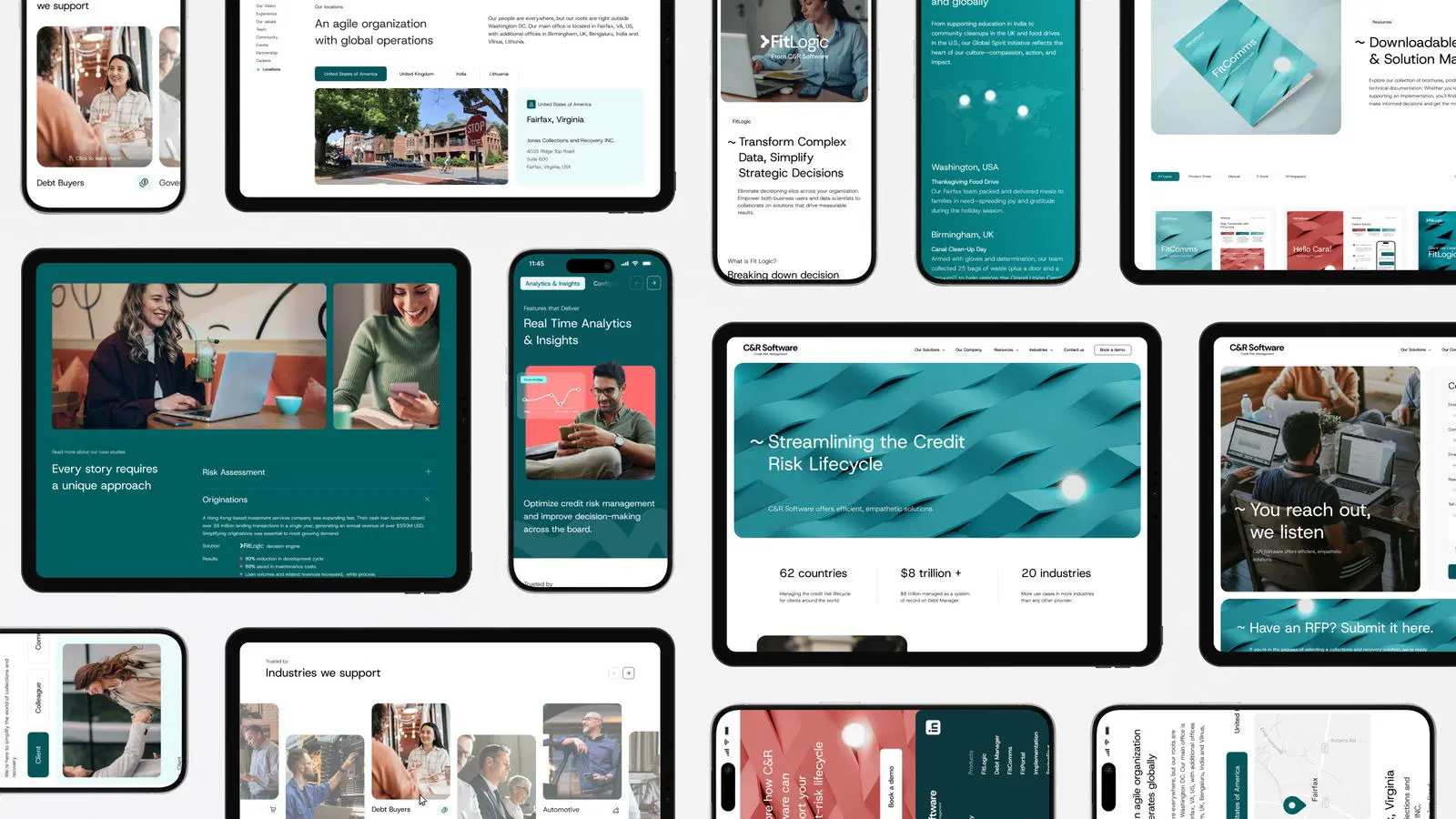
What does the future hold for the 10C's framework?
As we move deeper into 2026, artificial intelligence assists with content creation, customization, and communication. However, human strategic thinking remains irreplaceable. AI executes while humans direct. Privacy regulations continue tightening, making compliance more complex but also more important. The businesses that treat it as strategic advantage rather than burden will lead.
What should you remember about the 10C's?
The evolution from seven to ten core elements reflects genuine changes in how websites function. Context, content, community, customization, communication, connection, and commerce remain foundational. Credibility, consistency, and compliance address requirements that have become equally critical.
Strong websites integrate all ten elements into coherent experiences serving both user needs and business objectives. When deciding how to build a site or evaluating current performance, use this framework to identify gaps. Perfect implementation isn't required or possible, but conscious attention to each element dramatically improves effectiveness.
The goal isn't following a checklist. It's building digital experiences that connect with real people. The ten elements provide structure for achieving that goal systematically. Schedule your first 10C's audit this week. Start with credibility, consistency, and compliance. These three create the foundation everything else builds upon
Keep reading

Marketing
Business
1/10
Which Digital Investments Actually Hold Value During Budget Pressure: Website, Brand, or Content?
03 October 2023
Marketing
Business
Which Digital Investments Actually Hold Value During Budget Pressure: Website, Brand, or Content?
03 October 2023
Software Development
2/10
How to Build a Website in 2026: What the Process Actually Involves
14 April 2026
Software Development
How to Build a Website in 2026: What the Process Actually Involves
14 April 2026

CGI
Business
3/10
The Benefits of 3D Walkthroughs for Architects and Clients
08 August 2023
CGI
Business
The Benefits of 3D Walkthroughs for Architects and Clients
08 August 2023
Marketing
4/10
How Does Consumer Research Behavior Change Website Lead Generation Strategy?
11 February 2025
Marketing
How Does Consumer Research Behavior Change Website Lead Generation Strategy?
11 February 2025

Marketing
5/10
10 Critical Success Factors Every Startup Founder Must Master to Avoid Failure
10 December 2024
Marketing
10 Critical Success Factors Every Startup Founder Must Master to Avoid Failure
10 December 2024

Marketing
Design
6/10
UX/UI Design Trends for 2026: What's Worth Your Investment (And What's Just Hype)
13 January 2026
Marketing
Design
UX/UI Design Trends for 2026: What's Worth Your Investment (And What's Just Hype)
13 January 2026

Marketing
7/10
Creating an Interactive Buying Experience: The Power of 3D Product Configurators
13 August 2023
Marketing
Creating an Interactive Buying Experience: The Power of 3D Product Configurators
13 August 2023

Marketing
8/10
The Benefits of 360-Degree Product Views for Online Shopping
08 August 2023
Marketing
The Benefits of 360-Degree Product Views for Online Shopping
08 August 2023

Software Development
9/10
What Do Investors Evaluate in Technical Plans Before Funding Startups?
08 December 2025
Software Development
What Do Investors Evaluate in Technical Plans Before Funding Startups?
08 December 2025

Software Development
10/10
What is a Product Feasibility Study and Why Do 90% of Startups Fail Without One?
18 November 2025
Software Development
What is a Product Feasibility Study and Why Do 90% of Startups Fail Without One?
18 November 2025
1/10