02 October 2024
How Cross-Industry Visualization Techniques Are Changing What's Possible in Architectural and Product Marketing
Categories:
The most innovative visualizations come from adapting techniques across industries. Gaming's real-time rendering enables interactive property tours. Film's motion capture brings authentic human presence to architectural scenes. Medical imaging's volumetric processing reveals complex building systems. Understanding this cross-pollination creates opportunities to differentiate your marketing in competitive markets.

The most innovative visualizations come from adapting techniques across industries. Gaming's real-time rendering enables interactive property tours. Film's motion capture brings authentic human presence to architectural scenes. Medical imaging's volumetric processing reveals complex building systems. Understanding this cross-pollination creates opportunities to differentiate your marketing in competitive markets.
Why Do Visualization Techniques Transfer Across Industries?
Visualization across different industries shares fundamental challenges: representing three-dimensional reality in compelling ways, communicating complex information clearly, and creating emotional connection with audiences. The specific subject matter differs, but the underlying problems are remarkably similar. This commonality means techniques developed to solve problems in one industry often apply powerfully when adapted to another.
Medical visualization needed to represent internal anatomy that can't be directly observed. This drove innovation in volumetric rendering, transparency techniques, and layer-by-layer exploration. These same techniques now enable architects to visualize building systems, material assemblies, and construction sequences in ways that were impossible with traditional rendering. Gaming needed responsive, explorable environments that react to user input. This drove real-time rendering and interactive navigation. These capabilities now power architectural walkthroughs and product configurators that let clients explore options dynamically.
Film production needed to integrate CGI elements seamlessly with live action. This drove photorealistic materials, physically-based lighting, and realistic motion. These techniques elevate Architectural Visualizations from obviously computer-generated images to representations indistinguishable from photography. The cross-pollination accelerates because visualization professionals move between industries, conferences bring practitioners from different sectors together, and technology platforms serve multiple markets simultaneously.
What Makes Certain Techniques Transferable While Others Aren't?
Not every visualization technique transfers meaningfully across industries. Understanding what makes techniques transferable helps identify opportunities worth pursuing versus those that seem interesting but don't translate practically.
Techniques solving fundamental representation problems rather than industry-specific workflows tend to transfer well. Subsurface scattering rendering that makes skin look realistic also makes marble and other translucent architectural materials look believable. The physics of light interaction with semi-transparent materials doesn't change based on whether you're rendering human tissue or stone.
Techniques that enhance communication and understanding transfer broadly. Interactive sectioning developed for exploring complex mechanical assemblies works equally well for understanding building system coordination or furniture construction. The human need to understand internal relationships and spatial arrangements is universal.
Techniques requiring industry-specific domain knowledge or workflow integration transfer less successfully. Medical image processing that depends on understanding diagnostic protocols doesn't meaningfully apply to architectural visualization. The underlying algorithms might be similar, but the application context matters enormously.
How Are Gaming Techniques Transforming Architectural Visualization?
Gaming technology has influenced architectural visualization more than any other external industry over the past five years. The shift from pre-rendered images to real-time interactive experiences fundamentally changes what's possible and what clients expect.
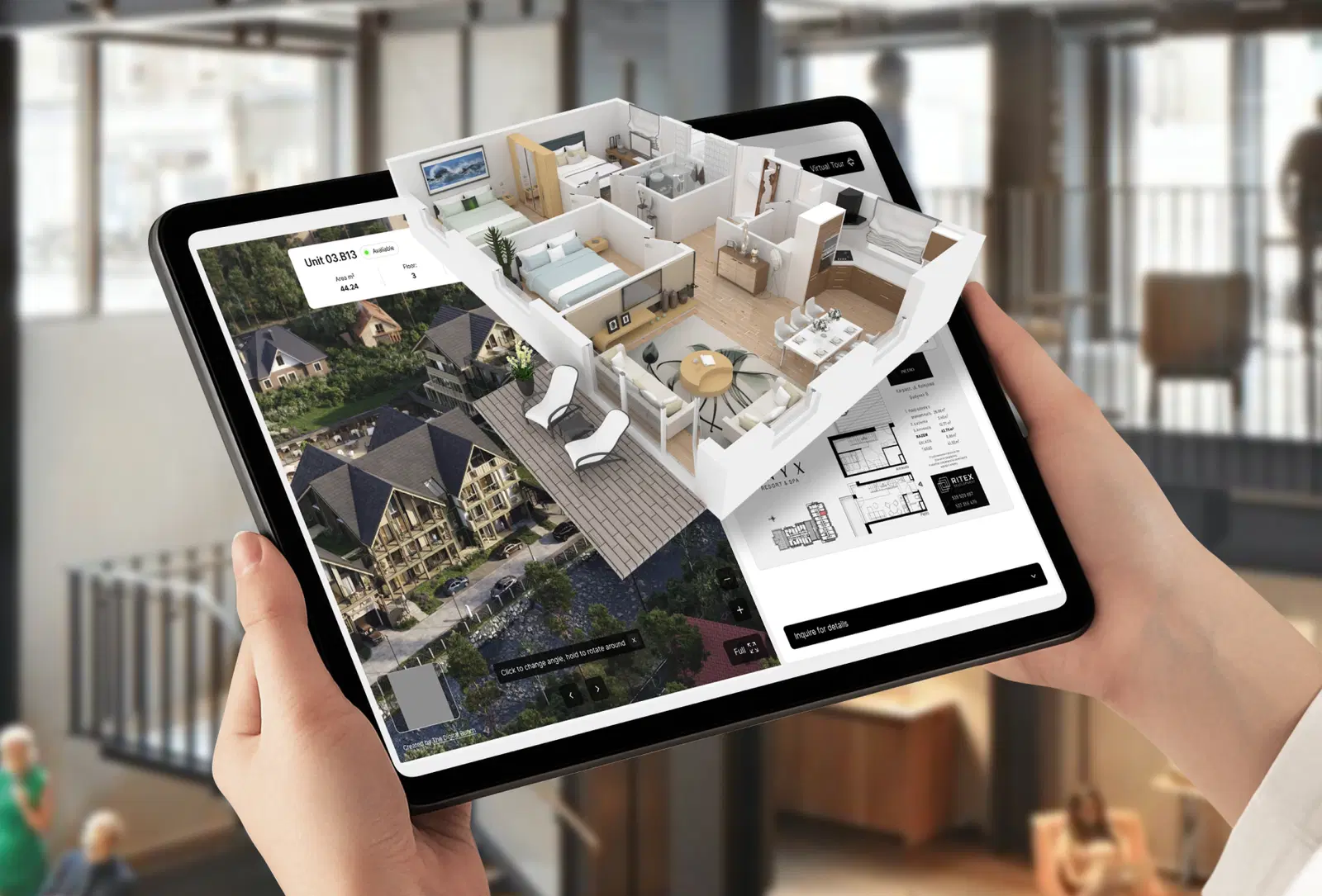
Real-time rendering engines originally developed for games now power Interactive Real Estate Solutions that let prospects explore properties dynamically rather than viewing predetermined static images. The responsiveness that makes games engaging creates architectural experiences where clients control the camera, time of day, material choices, and spatial configuration in real time. This approach is exemplified in our work creating Unreal Engine environments for Aston Martin, where real-time rendering enables dynamic vehicle configuration and environmental exploration that static images could never achieve.
What Specific Gaming Techniques Apply to Architectural Marketing?
Level of detail management developed to keep games running smoothly despite complex environments now enables architectural visualizations with unprecedented richness. The technique dynamically adjusts model complexity based on viewing distance. Up close, you see every detail. From far away, simplified geometry maintains performance. This allows creating vast urban environments or resort complexes that would be impossible to render at full detail simultaneously.
Procedural generation techniques that create varied game environments efficiently now generate realistic vegetation, crowds, and urban context for architectural scenes. Rather than manually placing thousands of trees or populating plazas with individually positioned people, procedural systems create natural variation based on rules and randomization. This dramatically reduces production time while creating more convincing results.
Physics simulation that makes game environments feel tangible improves architectural visualization realism. Water that behaves naturally, fabrics that drape correctly, and environmental effects like wind moving vegetation all come from gaming physics engines. These details create visceral believability that static rendering lacks.
Virtual Production techniques combining real-time rendering with camera tracking enable entirely new presentation formats. Clients can experience properties through VR headsets with natural head movement and spatial navigation, creating presence that traditional renderings can't achieve.
How Do Real-Time Capabilities Change Client Expectations?
The shift to real-time visualization fundamentally changes what clients expect and how decisions get made. When presentations were limited to predetermined images, clients could only evaluate what the visualization team decided to show. Real-time exploration puts clients in control, which surfaces questions and concerns earlier in the process.
This reveals both opportunity and challenge. The opportunity is deeper client engagement and confidence. When clients explore spaces themselves, they develop intuitive understanding of spatial relationships and design intent. The challenge is that real-time exploration exposes incomplete design decisions or inconsistencies that predetermined views could hide. This forces more complete design development before visualization, which is actually beneficial but requires process adjustment.
Client expectations evolve quickly once they experience interactive visualization. Static images start feeling limited by comparison. This creates pressure to deliver real-time experiences even when they're not strictly necessary, which requires balancing sophistication against timeline and budget realities.
What Film Production Techniques Enhance Architectural Visualization?
Film production has driven photorealistic rendering further than any other industry because its output needs to integrate seamlessly with live-action footage. The techniques developed to make CGI elements believable in films now make architectural visualizations indistinguishable from photography when executed well.
Physically-based rendering that simulates light behavior according to physical laws rather than artistic approximation creates the foundation for photorealism. Materials defined by measured physical properties (reflectance, roughness, subsurface scattering) behave correctly under different lighting conditions without manual adjustment. This consistency means Architectural Visualizations maintain realism as lighting or viewing angles change.
How Do Cinematographic Techniques Improve Architectural Presentation?
Camera techniques from cinematography dramatically improve how architectural stories get told through visualization. Rather than treating each image as an isolated view, thinking cinematographically about shot composition, camera movement, and visual narrative creates more compelling presentations.
Establishing shots that orient viewers to context before revealing detail mirror how films introduce locations. Wide shots showing the building in its urban context or landscape setting establish scale and positioning, then medium shots reveal architectural character, then detailed shots showcase materiality and craft. This progression guides viewers through understanding rather than overwhelming them immediately with detail. This cinematic storytelling approach is exemplified in our work with GAIA Modular Habitat, where the visualization creates an atmospheric journey that goes beyond spatial documentation to evoke the tropical dreamscape experience.
Camera movement techniques adapted from film create dynamic Architectural Animations that feel cinematic rather than mechanical. The subtle float of a Steadicam, the drama of crane shots, or the intimacy of handheld perspective all translate to architectural animation. These techniques create emotional tone alongside spatial information. Our collaboration with Nobu Hotels demonstrates how cinematic camera movement and visual narrative create emotional connection with luxury hospitality positioning, transforming standard property tours into compelling brand experiences.
Depth of field and focal length choices borrowed from cinematography direct attention and create hierarchy. Shallow depth of field that isolates subjects from backgrounds works as effectively for highlighting architectural details as it does for emphasizing actors. Wide-angle lenses that exaggerate space create drama, while longer lenses compress depth for specific aesthetic effects.
What Lighting Techniques From Film Production Apply to Architecture?
Lighting approaches developed for film directly improve architectural visualization quality. Three-point lighting that defines form while controlling mood, motivated lighting where every light source has logical justification, and contrast ratios that create depth all transfer directly from film production to architectural rendering.
High dynamic range imaging developed to capture and display the full range of brightness from deep shadows to bright highlights enables realistic interior visualization where daylight and artificial lighting coexist. This technique comes directly from film production needs to capture scenes with challenging lighting ratios. Photo & Video Production expertise informs how these lighting approaches get implemented effectively in architectural contexts.
Color grading techniques that establish mood and visual identity in films now differentiate architectural visualization. Rather than accepting default rendering output, color grading creates consistent aesthetic that reinforces brand identity and emotional positioning. Luxury real estate visualizations often employ warm, inviting grading while contemporary commercial projects might use cooler, more technical treatments.
How Do Product Design Visualization Techniques Enhance Architectural Marketing?
Product visualization developed techniques for showcasing design details, materiality, and functional features that translate powerfully to architectural applications. The precision and clarity required to market products based on visual appeal alone creates approaches that elevate architectural marketing.
Material representation techniques developed for product visualization directly improve how architectural materials appear. The difference between believable and obviously fake marble, wood, fabric, or metal often comes from material rendering sophistication developed through product visualization. 3D Product Visualization expertise in representing reflectance, texture, and material behavior creates architectural renderings where materials look and feel authentic.
What Product Visualization Approaches Work for Architecture?
Exploded views and cutaways developed to show product construction and internal components adapt beautifully to architectural applications. Rather than just showing completed buildings, techniques that reveal construction assembly, system integration, and material layering communicate design intelligence and construction quality. These approaches work particularly well for technical audiences evaluating design sophistication.
Detail shots that isolate and celebrate specific design elements come from product photography traditions. Rather than always showing entire spaces, close-up views of joinery details, material transitions, hardware, or architectural features create appreciation for craft and design resolution. This approach works especially well for luxury residential projects where detail quality differentiates offerings and creates purchase certainty, as demonstrated in our work with Wunya House, where detailed material visualization helped elite buyers develop the confidence necessary for significant property investment decisions.
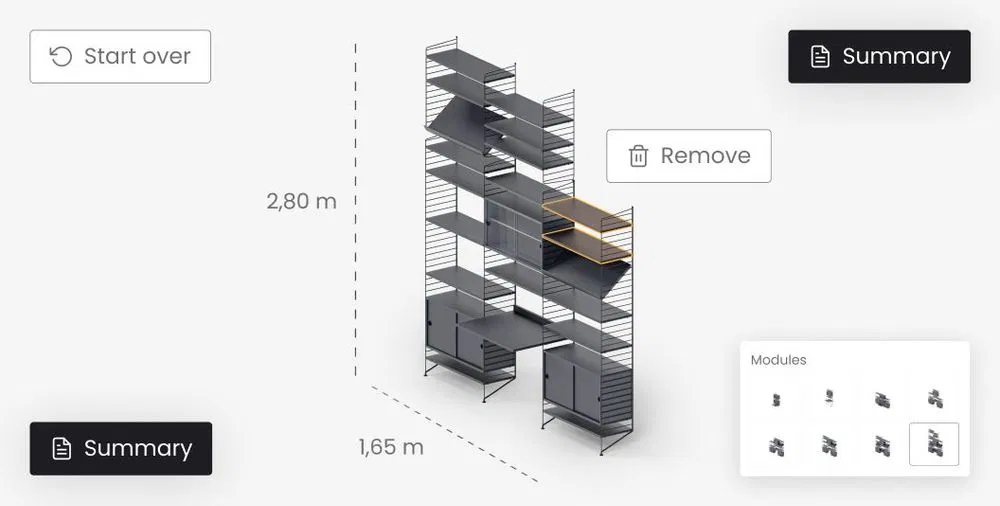
Configuration visualization developed for products with multiple option combinations enables architectural applications showing unit layouts, finish selections, or amenity options. Rather than creating separate renderings for every possible combination, configurator-style interfaces let clients explore options dynamically. This technique serves residential developments, hospitality renovations, or any project with standardized elements that vary by selection.
Automotive CGI brings particular sophistication to material rendering because automotive marketing demands perfection in how paint, chrome, leather, and carbon fiber appear. These same material rendering techniques elevate architectural visualization of metal facades, glass curtain walls, and luxury interior finishes to levels that product-focused industries demand.
How Do Product Animation Techniques Apply to Architecture?
Product animation approaches that reveal functionality, demonstrate use, or showcase transformation adapt well to architectural contexts. Rather than static visualization that shows completed spaces, animation techniques can demonstrate how spaces transform with furniture arrangement, how operable elements work, or how lighting changes throughout the day.
Turntable animations that show products from all angles translate directly to architectural objects like furniture, fixtures, or building components. This comprehensive view builds confidence through transparency, showing that design works from every perspective rather than just carefully chosen hero shots. The technique works well for sculptural buildings or distinctive architectural elements worth celebrating from multiple viewpoints.
Assembly animations showing how components come together communicate construction logic and build confidence in feasibility. While architects understand construction, clients and investors often benefit from seeing how complex assemblies or innovative structural approaches actually work. This technique borrowed from product instruction animation serves a similar purpose in architectural marketing.
What Emerging Technologies Will Shape Visualization's Future?
Several technological trends emerging across industries will influence how architectural and product visualization evolves over the next several years. Understanding these directions helps make strategic choices about where to invest development effort and which capabilities will differentiate future marketing.
AI-assisted rendering is compressing production timelines dramatically. Tools that generate realistic textures from text descriptions, automatically populate scenes with contextually appropriate entourage, or upscale resolution using machine learning all come from AI research applied to visualization. These capabilities reduce manual labor for certain tasks while raising quality floors. However, they don't eliminate the need for artistic judgment about composition, storytelling, and brand alignment.
How Will Cloud Rendering Change Production Economics?
Cloud rendering democratizes access to massive computational resources that previously required significant capital investment. Rather than building rendering farms or accepting slow local rendering, cloud services provide on-demand access to thousands of processors. This changes project economics by converting capital expense to variable cost based on actual usage.
The shift particularly benefits smaller studios and occasional users who need rendering capacity only intermittently. It also enables complexity that wasn't previously feasible. Simulations of complex lighting, fluid dynamics, or massive scenes that would take weeks on local hardware complete in hours using cloud resources. DevOps and Infrastructure expertise becomes valuable for efficiently managing cloud rendering workflows and optimizing costs.
Geographic implications emerge as cloud rendering reduces location-based advantages. Studios in lower-cost locations previously benefited from cheaper local rendering infrastructure. Cloud rendering available globally at identical pricing compresses this advantage, shifting competition more toward creative capability and client service quality rather than infrastructure economics.
What Role Will Volumetric Capture Play in Architectural Visualization?
Volumetric capture technology that records three-dimensional representations of real objects and people rather than flat video creates new possibilities for populating architectural scenes with realistic human presence. Rather than animated 3D characters or flat cutout people, volumetric captures bring authentic human movement and behavior into rendered environments.
This technique originally developed for teleconferencing and entertainment applications translates powerfully to architectural visualization. Showing spaces occupied by realistic people engaged in natural activities creates visceral understanding of scale, function, and atmosphere that empty spaces or obviously artificial figures can't achieve. The technology particularly serves hospitality, retail, and workplace visualization where human experience is central to value proposition.
3D Animations incorporating volumetric capture create unprecedented realism by combining perfect environment rendering with authentic human presence and movement. The integration challenges remain significant, but the results when successful create compelling presentations that static visualization can't match.
How Should Organizations Evaluate Which Techniques to Adopt?
The abundance of techniques crossing into architectural and product visualization from other industries creates both opportunity and overwhelm. Not every technique warrants adoption, and implementing new approaches requires investment in tools, training, and workflow development. Strategic evaluation prevents chasing every trend while missing genuinely valuable innovations.
Assess whether a technique solves problems you actually face or addresses client needs you're currently failing to serve. Real-time rendering solves the problem of clients needing to explore design options dynamically. If your clients don't ask for this and seem satisfied with predetermined views, real-time may not warrant immediate investment despite industry buzz.
What Factors Determine Which Techniques Create Competitive Advantage?
Techniques become competitive advantages when they're difficult for competitors to replicate quickly and when they address meaningful client needs. Real-time visualization created competitive advantage early when few studios mastered it and clients valued interactivity. As more studios adopt real-time capabilities, it transitions from differentiator to baseline expectation.
The window during which new techniques create competitive advantage is narrowing as technology democratizes and adoption accelerates. The sustainable advantage comes less from technical capability alone and more from how capabilities integrate into storytelling, brand strategy, and client experience. Brand Strategy that employs sophisticated visualization techniques purposefully creates more lasting differentiation than technical sophistication alone.
Consider implementation complexity against benefit magnitude. Some techniques require substantial investment in tools, training, and process development. If the resulting client value or competitive differentiation doesn't justify that investment, simpler approaches may be strategically smarter even if technically less impressive.
Market positioning influences which techniques matter most. Luxury real estate marketing benefits more from cinematic polish and material perfection than from interactive exploration. Commercial real estate leasing benefits more from space flexibility visualization than from photographic realism. Match capability investment to what actually influences decisions in your target markets.
What Does Cross-Industry Learning Mean for Internal Capability?
Organizations building or maintaining visualization capability face questions about whether to pursue technical breadth across diverse techniques or depth in specific approaches most relevant to their market. The cross-industry learning trend influences this decision in important ways.
Breadth creates adaptability and innovation potential. Teams with exposure to diverse techniques can identify opportunities to apply approaches in new contexts. The cinematographer who understands gaming render techniques might see opportunities to combine cinematic storytelling with interactive exploration. This creative cross-pollination often produces the most innovative results.
Depth creates excellence in execution. Rather than superficial familiarity with many techniques, deep mastery of specific approaches enables superior results. The studio that truly masters photorealistic material rendering produces architectural visualizations that competitors using the same tools can't match because mastery comes from depth rather than breadth of technical knowledge.
How Do You Build Teams With Diverse Technical Backgrounds?
Organizations serious about cross-industry learning benefit from team members with diverse background experience. Someone who worked in game development brings different perspective than someone from architectural visualization exclusively. Film production background contributes different strengths than product design experience.
This diversity creates both opportunity and management challenge. The opportunity is richer creative problem-solving and technical innovation. The challenge is integrating different working styles, terminology, and quality standards across disciplines that approach visualization differently. Art Direction capability becomes crucial for synthesizing diverse technical approaches into coherent creative vision.
Hiring for diverse backgrounds requires recognizing that skills transfer isn't automatic. Someone excellent at game environment creation may need support adapting to architectural visualization expectations around accuracy and constructed realism versus artistic interpretation. Someone from product visualization may need help thinking cinematically about motion and storytelling.
The investment in building diverse teams pays off through innovation and adaptability. When new techniques or client needs emerge, teams with varied backgrounds adapt more readily than those with homogeneous experience. This resilience becomes increasingly valuable as technology and client expectations continue evolving rapidly.
Keep reading
CGI
Business
1/10
The Benefits of 3D Walkthroughs for Architects and Clients
08 August 2023
CGI
Business
The Benefits of 3D Walkthroughs for Architects and Clients
08 August 2023
CGI
2/10
The Importance of Lighting in Architectural Visualization
13 July 2023
CGI
The Importance of Lighting in Architectural Visualization
13 July 2023

CGI
3/10
Should You Choose 3D Product Renders or Professional Photography for Your Brand?
16 February 2026
CGI
Should You Choose 3D Product Renders or Professional Photography for Your Brand?
16 February 2026

CGI
4/10
Unlocking the Future of Urban Planning with 3D Digital Twins
02 September 2024
CGI
Unlocking the Future of Urban Planning with 3D Digital Twins
02 September 2024
CGI
5/10
How Do Successful Visualization Studios Build Sustainable Growth?
09 October 2023
CGI
How Do Successful Visualization Studios Build Sustainable Growth?
09 October 2023
CGI
6/10
How to UX/UI Design a 3D Configurator That Makes Sense?
11 January 2026
CGI
How to UX/UI Design a 3D Configurator That Makes Sense?
11 January 2026
CGI
Marketing
7/10
Why Real Estate Property Launches Fail Without Integrated Communication
09 April 2025
CGI
Marketing
Why Real Estate Property Launches Fail Without Integrated Communication
09 April 2025
CGI
8/10
How AI Is Changing Architectural Visualization (And What It Cannot Replace)
28 September 2025
CGI
How AI Is Changing Architectural Visualization (And What It Cannot Replace)
28 September 2025
CGI
Marketing
9/10
How Architecture Firms Should Structure Visualization Capability in 2026: In-House, Outsourced, or Hybrid?
03 February 2026
CGI
Marketing
How Architecture Firms Should Structure Visualization Capability in 2026: In-House, Outsourced, or Hybrid?
03 February 2026
-1.png?width=1200&quality=75&format=webp)
CGI
10/10
How Does Architectural Visualization Work in Saudi Arabia's Vision 2030 Real Estate Market?
23 November 2025
CGI
How Does Architectural Visualization Work in Saudi Arabia's Vision 2030 Real Estate Market?
23 November 2025
1/10