02 December 2025
Product Design Sprint vs Feasibility Study: Which Validation Method Should You Choose?
Categories:
If you're validating a software product idea, you've encountered the Design Sprint. It compresses months of debate into one focused week. But validation alone doesn't tell you what building will actually cost, how long development takes, or what technical decisions matter. Understanding when you need rapid validation versus comprehensive planning can save significant time and money.
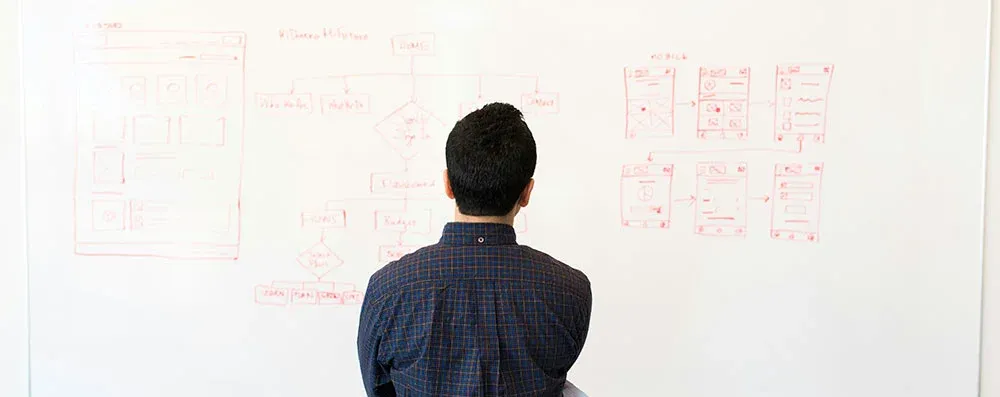
If you're validating a software product idea, you've encountered the Design Sprint. It compresses months of debate into one focused week. But validation alone doesn't tell you what building will actually cost, how long development takes, or what technical decisions matter. Understanding when you need rapid validation versus comprehensive planning can save significant time and money.
What Makes Design Sprints Effective for Product Validation?
The Design Sprint has become one of the most widely adopted frameworks for rapid product validation. Developed at Google Ventures and popularized through Jake Knapp's book, thousands of companies have used it, from early-stage startups to Fortune 500 enterprises. The methodology forces decisions that might otherwise drag on for weeks, prevents teams from getting lost in abstract discussions, and grounds everything in actual user feedback.
How does the Design Sprint process work?
The classic Design Sprint is a five-day process with clear structure. Monday maps the problem and identifies focus areas. Tuesday explores competing solutions through sketching. Wednesday crystallizes decisions and creates storyboards. Thursday builds a prototype. Friday tests it with real users.
This tight timeline creates natural constraints that drive progress. By requiring a testable prototype by Thursday, teams can't endlessly debate options. By putting real users in front of prototypes on Friday, feedback becomes immediate and actionable rather than theoretical.
Why do Design Sprints work so well?
Design Sprints excel at answering a specific question: do users want this? They're particularly valuable when you have a concept but genuine uncertainty about whether it resonates with your target audience. They work well for choosing between multiple possible directions when you want user input to guide the decision.
The format is accessible because it fits into a single week, allowing busy stakeholders who couldn't commit to longer engagements to participate. Because it produces a concrete prototype, even skeptical team members see tangible results quickly. Google Ventures has used them to help portfolio companies validate everything from new product concepts to marketing strategies. Companies like Slack have used sprints to make significant strategic decisions.
What Questions Do Design Sprints Leave Unanswered?
Where Design Sprints fall short is in everything that comes after validation. Knowing that users respond positively to a concept is valuable, but it's only the first question founders need answered. You also need to know: Can this actually be built? What technology should it use? How will various features interact? What will it cost? How long will development take? What are the technical risks?
Why don't five days provide enough technical depth?
A five-day sprint doesn't have time to address these questions properly. The prototype built on Thursday is a facade designed to simulate user experience. It has no real backend, no actual functionality, no technical architecture. It tells you nothing about implementation complexity, infrastructure requirements, or development timeline.
This isn't a criticism of the Design Sprint methodology. It was never designed to answer these questions. It was designed to validate concepts quickly, and it does that well. But founders sometimes misunderstand what they're getting and assume a completed sprint means they're ready to start development.
What problems arise from skipping comprehensive planning?
We've seen what happens when teams move directly from a Design Sprint into software development without additional planning work. The prototype showed users a polished experience, but nobody mapped out how all the features would actually work together. The sprint validated the core concept but didn't explore edge cases and secondary flows that make up the bulk of a real application.
The team is excited and ready to build, but they discover complexity they didn't anticipate, features that interact in problematic ways, and technical requirements that extend the timeline far beyond initial expectations. The sprint answered the question it was designed to answer, but left critical questions unaddressed.
How Does a Product Feasibility Study Differ from a Design Sprint?
A Product Feasibility Study takes the validation-focused approach of the Design Sprint and extends it into comprehensive planning. Where a sprint might end with a validated prototype and some user feedback, a feasibility study ends with everything you need to actually build the product. The study typically spans two to three weeks rather than five days, allowing for deeper work across every dimension.
What does a feasibility study include?
The extended timeline allows for more thorough UX research, more detailed technical analysis, and more comprehensive documentation. You receive complete wireframes that map every screen and user flow in your application, not just the core journey prototyped during a sprint. You receive visual direction that establishes the look and feel of the product. You receive user stories that describe functionality in plain language, creating a shared vocabulary between business stakeholders and development teams.
What technical deliverables come from a feasibility study?
On the technical side, you receive architecture recommendations covering technology stack, infrastructure requirements, third-party integrations, and security considerations. These recommendations are grounded in analysis of your specific requirements, not generic best practices.
Most importantly for many founders, you receive a detailed project breakdown: every task that needs to happen, how long each will take, what dependencies exist between them, and what the total cost will be. These are specific numbers based on detailed planning work, not rough estimates with wide ranges.
How does a feasibility study prepare you for development?
When a Product Feasibility Study is complete, you have everything you need to begin development with confidence. You know what you're building, how you're building it, what it will cost, and how long it will take. You can take this documentation to investors, to your board, or to any development team and have informed conversations grounded in specifics rather than speculation.
Why Does Cross-Disciplinary Collaboration Matter?
One of the key differences between a rapid sprint and a comprehensive feasibility study is the depth of collaboration between different disciplines. In a Design Sprint, the focus is necessarily on speed, leaving limited time for developers to deeply analyze technical implications or for strategists to thoroughly pressure-test business assumptions. A Product Feasibility Study brings together strategists, UX designers, and full-stack developers from the beginning and keeps them collaborating throughout the process.
How does collaboration differ between sprints and feasibility studies?
When a designer proposes a particular user flow, a developer can immediately assess its technical implications. When a strategist identifies a key business requirement, the team can evaluate how it affects both user experience and technical architecture. When a technical architect recommends a specific approach, designers and strategists can consider its impact on usability and business viability.
What problems does early collaboration prevent?
This cross-disciplinary collaboration catches disconnects that would otherwise surface during development. The feature that seems straightforward from a design perspective might have hidden technical complexity. The architectural decision that makes sense from an engineering standpoint might create user experience problems. The business requirement that seems essential might be impractical to implement within the budget.
Surfacing these issues during planning costs almost nothing. Surfacing them mid-development costs significant time and money. The extended timeline of a feasibility study creates space for thorough collaboration that prevents expensive surprises later.
When Should You Choose a Design Sprint?
Despite its limitations, there are situations where a traditional Design Sprint is exactly the right choice. If you have a concept but genuine uncertainty about whether anyone wants it, a sprint can provide rapid validation before you invest in comprehensive planning. There's no point spending three weeks on detailed specifications for a product that users don't actually want.
What situations favor a Design Sprint approach?
If you're choosing between multiple possible directions and need user input to guide the decision, a sprint provides a structured way to prototype and test different approaches. The compressed timeline forces you to make decisions rather than endlessly debating options.
If you need to build alignment within a large organization, a sprint brings stakeholders together and gives everyone a shared experience. The collaborative nature of the process and the immediacy of user feedback can break through organizational inertia in ways that documents and presentations cannot.
When does rapid validation make business sense?
If your budget is severely constrained and you cannot afford comprehensive planning, a sprint gives you meaningful validation for a smaller investment. It's better to validate with a sprint than to skip validation entirely and hope for the best.
If you've already done extensive research and planning but want to test a specific feature or direction before committing, a sprint provides a focused way to get user feedback without repeating work you've already done. In these situations, the Design Sprint delivers excellent value by doing what it was designed to do: rapid validation through prototyping and user testing.
When Should You Choose a Product Feasibility Study?
For founders ready to move beyond validation into actual development, a Product Feasibility Study is typically the better choice. If you already have confidence in your concept, whether through previous validation work, market research, or direct customer conversations, you may not need another round of basic concept testing. What you need is detailed planning that prepares you for development.
What signals indicate you need comprehensive planning?
If you're preparing to raise funding, investors will ask detailed questions about timeline, cost, and technical approach. Vague answers undermine confidence. The documentation from a feasibility study gives you specific numbers and thoughtful analysis to draw on.
If you're planning to spend a significant amount on web and mobile app development, the investment in proper planning pays for itself many times over. Projects without adequate upfront planning routinely experience budget overruns of fifty percent or more.
How does planning prevent costly development problems?
If your product has significant technical complexity, whether due to integrations, regulatory requirements, scale considerations, or novel functionality, you need technical analysis that goes beyond what a five-day sprint can provide. The architecture decisions made early in a project have implications that last for years.
If you're a non-technical founder working with a development team, the feasibility study gives you documentation you can actually understand and use. You don't have to take the team's word for it when they explain what they're building and why. You have detailed specifications you can review, question, and share with advisors.
Can You Combine Both Approaches?
Some founders ask whether they should do a Design Sprint first and then a Product Feasibility Study. The answer depends on your specific situation. If you have genuine uncertainty about whether your concept will resonate with users, starting with a sprint makes sense. Validate first, then plan in detail. There's no point creating comprehensive specifications for a product that fails the basic question of whether anyone wants it.
Should you run a sprint before a feasibility study?
But if you already have reasonable confidence in your concept, running a sprint first may simply delay the planning work you need to do. The feasibility study includes user research and validation as part of its process. You don't necessarily need a separate sprint beforehand.
How can prior sprint work inform feasibility planning?
There's also a middle path. Some clients come to us having completed a Design Sprint elsewhere and wanting to build on that foundation. The sprint gave them validated concepts and initial user feedback. The feasibility study takes that input and extends it into comprehensive planning. The prior work isn't wasted; it informs and accelerates the feasibility process.
The key is understanding what questions you need answered and choosing the methodology that answers them. If your primary question is "do users want this?", a sprint addresses that directly. If your primary questions are "what will it cost, how long will it take, and what technical approach should we use?", a feasibility study is the better tool.
What Specific Deliverables Does Each Methodology Produce?
Perhaps the clearest way to understand the distinction is to look at what each methodology produces. A Design Sprint typically delivers a prototype focused on the core user journey, user testing results and feedback, alignment among team members on direction, and confidence about whether the concept resonates. A Product Feasibility Study produces substantially more comprehensive outputs.
What do you get from a Design Sprint?
The sprint gives you validation. It confirms whether users respond positively to your concept and provides direction for next steps. The prototype demonstrates the core experience, and the user testing sessions reveal how real people interact with your idea. This is valuable information, but it's focused specifically on validation rather than implementation planning.
What do you get from a Product Feasibility Study?
A Product Feasibility Study produces complete wireframes covering all screens and flows, visual direction for the product's look and feel, user stories describing all functionality, technical architecture recommendations, infrastructure and integration specifications, security analysis where relevant, detailed task breakdown for the entire project, realistic timeline projections, and accurate cost estimates.
The feasibility study gives you a blueprint. Both are valuable, but they serve different purposes and deliver different outcomes. Choosing between them isn't about which is better in the abstract. It's about which one answers the questions you actually need answered at your current stage.
Why Invest in Comprehensive Planning Before Development?
Some founders hesitate at the idea of spending two to three weeks on planning before development begins. It feels like delay. It feels like overhead. The urge to start building is powerful, particularly when you're excited about your idea and anxious to see it take shape. But consider what happens when development starts without adequate planning.
What risks come from starting development without planning?
The team begins work based on incomplete specifications. They make assumptions where requirements are unclear. Some of those assumptions turn out to be wrong. Features get built that don't match your vision. Other features reveal complexity nobody anticipated. The timeline extends. The budget grows. Frustration builds.
We've seen projects arrive mid-development, already significantly over budget, with codebases that require substantial rework because foundational decisions were made without proper analysis. In every case, the cost of addressing these problems exceeded what proper planning would have cost upfront.
How does planning save time and money?
The Design Sprint's five-day format is appealing because it feels fast. And for validation purposes, that speed is genuinely valuable. But if your goal is to actually build a product, the sprint's brevity becomes a limitation rather than an advantage.
The questions that remain unanswered after five days will still need to be answered. The only question is whether you answer them through deliberate planning or through expensive trial and error during development. Understanding technical debt early and planning around it prevents compounding problems later. The architecture choices you make at the beginning affect maintainability, scalability, and development velocity for years.
How Do You Determine Which Approach Matches Your Current Needs?
If you're trying to decide between a Design Sprint and a Product Feasibility Study, ask yourself several questions. What is your primary uncertainty right now? If you're unsure whether anyone wants what you're thinking of building, start with validation. If you're confident in the concept but unsure about implementation details, move to planning.
What questions help clarify your decision?
What decisions do you need to make in the near term? If you need to choose between different product directions, a sprint can help you test options quickly. If you need to raise funding, create a budget, or select a development partner, you need the detailed outputs of a feasibility study.
What is your timeline and budget for the planning phase? If you can only invest a week, a sprint gives you meaningful output in that time. If you can invest a few weeks, a feasibility study gives you dramatically more comprehensive preparation.
How do timeline and budget affect your choice?
What will you do with the outputs? If you want validation to guide further exploration, a sprint delivers that. If you want documentation you can hand to a development team and say "build this," you need a feasibility study.
There's no universally correct answer. The right choice depends on your situation, your questions, and your goals. Both methodologies exist because both serve real needs. Understanding which questions you need answered helps you choose the approach that serves your current stage most effectively.
What Should You Consider When Moving from Concept to Reality?
The Design Sprint methodology has helped thousands of teams validate ideas quickly. Its contribution to product development practice is significant and well-deserved. For the right situation, it remains an excellent choice. But for founders preparing to move from concept to reality, validation alone isn't enough.
Why does validation alone not prepare you for development?
You need to know what you're building, how you're building it, what it will cost, and how long it will take. You need documentation detailed enough to guide development, inform investors, and hold your team accountable. You need the depth that only comes from comprehensive, cross-disciplinary planning.
How does comprehensive planning reduce development risk?
That's what a Product Feasibility Study provides. It takes the validation-focused spirit of the Design Sprint and extends it into everything else you need to build with confidence. The study addresses conversion rate optimization from the beginning, ensuring your product isn't just usable but effective at driving business outcomes.
The planning phase also surfaces integration requirements early. Whether you need custom CRM solutions, e-commerce capabilities, or artificial intelligence features, understanding these needs during planning prevents costly mid-development pivots.
What does clarity enable in your product development journey?
The goal, whatever methodology you choose, is the same: to answer your most important questions as efficiently as possible, so you can move forward with clarity rather than uncertainty. Good planning doesn't slow you down. It prevents the expensive mistakes that truly derail timelines and budgets.
If you're at the stage where detailed planning makes sense, we'd be glad to discuss how a Product Feasibility Study could work for your project. And if you're earlier in your journey and still exploring whether your concept has legs, that conversation is valuable too. Understanding where you are helps determine what you need next.
Keep reading
Software Development
1/10
How to Build a Website in 2026: What the Process Actually Involves
14 April 2026
Software Development
How to Build a Website in 2026: What the Process Actually Involves
14 April 2026

Software Development
2/10
What Do Investors Evaluate in Technical Plans Before Funding Startups?
08 December 2025
Software Development
What Do Investors Evaluate in Technical Plans Before Funding Startups?
08 December 2025

Software Development
3/10
What is a Product Feasibility Study and Why Do 90% of Startups Fail Without One?
18 November 2025
Software Development
What is a Product Feasibility Study and Why Do 90% of Startups Fail Without One?
18 November 2025

Software Development
4/10
What Does it Actually Cost to Build an App in 2026 and Why Do Most Pricing Guides Get it Wrong?
04 January 2026
Software Development
What Does it Actually Cost to Build an App in 2026 and Why Do Most Pricing Guides Get it Wrong?
04 January 2026

Software Development
5/10
Why Your AI-Built MVP Will Need to Be Rebuilt And How to Avoid That Fate
01 February 2026
Software Development
Why Your AI-Built MVP Will Need to Be Rebuilt And How to Avoid That Fate
01 February 2026

Software Development
6/10
What is Technical Debt? A Guide for Non-Technical Founders
13 January 2026
Software Development
What is Technical Debt? A Guide for Non-Technical Founders
13 January 2026

Software Development
7/10
What Should a Software Discovery Phase Actually Include?
10 January 2026
Software Development
What Should a Software Discovery Phase Actually Include?
10 January 2026

Software Development
8/10
How does AI Changes the Economics of Software Development?
27 January 2026
Software Development
How does AI Changes the Economics of Software Development?
27 January 2026

Software Development
9/10
How is AI Raising the Quality Bar for Software Development Instead of Lowering It?
25 January 2026
Software Development
How is AI Raising the Quality Bar for Software Development Instead of Lowering It?
25 January 2026

Software Development
10/10
Why Do Software Projects Go Over Budget? The Planning Problem No One Talks About
18 January 2026
Software Development
Why Do Software Projects Go Over Budget? The Planning Problem No One Talks About
18 January 2026
1/10