Masterplanning Poland's World Horticultural Expo
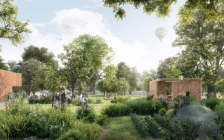
We delivered over 20 architectural visualizations for Chapman Taylor's World Horticultural Expo masterplan, translating a complex urban ecosystem into a clear visual narrative. Through collaborative design workshops, we helped communicate how cultural, ecological, commercial, and recreational functions integrate into one cohesive development vision.
Client:
Chapman Taylor
Year:
2025
Industry:
Architecture
Services:
Architecture Visualizations
Architectural Design

Client:
Chapman Taylor
Year:
2025
Industry:
Architecture
Services:
Architecture Visualizations
Architectural Design
Executive Summary
Chapman Taylor needed to communicate their World Horticultural Expo masterplan for Łódź, Poland to stakeholders and city officials. The challenge was translating a complex urban ecosystem that combined cultural, ecological, commercial, and recreational functions into a clear visual narrative. The visualizations became the key element in presenting this ambitious vision, supporting project communication and decision-making at early strategic stages.
Digital Bunch Solution
We produced a comprehensive visualization suite covering the entire masterplan scope. The work ranged from large-scale aerial perspectives showing the urban ecosystem to intimate human-scale scenes illustrating how people would experience the spaces. We refined building elements, proposed camera options, tested shadow patterns, and ensured visuals reflected Łódź's cultural context and architectural precision. Each visualization communicated the emotional tone and strategic goals of the project, from celebrating the horticultural theme to capturing its dynamic, future-oriented identity.
The World Horticultural Expo masterplan required visualizations that could demonstrate the integration of diverse urban functions within a cohesive ecosystem.

Masterplans need visualizations showing urban functions' relationships, not just building appearances. Understanding patterns and systems helps stakeholders see the vision as a cohesive ecosystem.
Understanding what really mattered for Chapman Taylor
The masterplan combined diverse functions (cultural, ecological, commercial, and recreational) into one cohesive urban ecosystem. Translating this ambitious vision into a clear visual narrative required us to understand how all elements related to each other.
Challenge
Each visualization needed to communicate the emotional tone and strategic goals, from celebrating the horticultural theme to capturing the dynamic, future-oriented identity. The difficulty was ensuring each image served a specific purpose in the narrative while maintaining consistency across the entire suite. We also needed to grasp the architectural language and the logic behind how cultural venues, ecological zones, commercial spaces, and recreational areas related to each other.
Solution
We structured our work around creative sessions with Chapman Taylor's architectural team, exploring design directions and refining spatial ideas together. Our contribution often extended beyond visualization, supporting the architects in developing and testing conceptual design solutions. We developed camera strategies for different scales, from masterplan overviews to human-scale experiences. Each view told a specific story while maintaining visual coherence.

Our Unique Approach: Architects First, Visualizers Second
Chapman Taylor needed a partner capable of interpreting design intent at a conceptual level beyond executing technical renderings.
Because our team is composed of trained architects, we understood the masterplan beyond surface aesthetics. We grasped the logic behind how cultural venues, ecological zones, commercial spaces, and recreational areas related to each other. This allowed us to anticipate design intentions, identify spatial patterns, and suggest visual strategies that strengthened the presentation.
This architectural fluency meant we could contribute to design development discussions, propose refinements that enhanced the vision, and ensure every visualization decision supported the underlying urban planning principles. We became an extension of the architectural workflow.

Roman Safronov
Archviz Art Director
The real challenge in visualization is maintaining that quality while the entire project evolves around you. Success comes from staying so deeply connected to the client's vision that you can anticipate needs before they're articulated, adapt to changes without losing momentum, and deliver results that exceed expectations despite compressed timelines. That's when you've moved beyond vendor to true strategic partner.
Do you want your brand to shine?
Start ProjectOur aim was to create visualizations that supported clear decision-making while staying adaptable as the design continued to evolve.
Creative Workshop Process
We conducted intensive sessions with Chapman Taylor's team to jointly explore design directions and test spatial concepts. These workshops allowed us to align on visual storytelling early and often extend our contribution into design development support. Daily communication accelerated decision-making and prevented misalignment.
Strategic Camera Planning
We developed camera strategies for multiple scales: masterplan aerials showing urban context, mid-range views emphasizing architectural relationships, and ground-level perspectives capturing human experience. Each angle was selected to tell a specific story about how the development functions as an integrated ecosystem.
Unified Visual Language
We established consistent rendering standards across all images: lighting approaches, material treatments, vegetation density, and atmospheric conditions that reinforced the masterplan's identity. This coherence helped stakeholders understand the project as a complete vision.
Cultural Context Integration
The visualizations needed to reflect the project's role in the city's future development. We calibrated spatial relationships, landscape integration, and architectural expression to create visuals that felt rooted in the local environment while communicating the expo's unique character.

Business Impact
The visualization suite became the primary communication tool for presenting the masterplan to stakeholders, city officials, and the public. The images enabled Chapman Taylor to secure buy-in during early planning phases by clearly demonstrating how diverse urban functions integrate into a cohesive development vision.
Looking Forward: Partnership Beyond the Project
The success of this collaboration positioned Digital Bunch as Chapman Taylor's partner for complex masterplanning projects. Our ability to contribute to design thinking opened doors for continued work on developments requiring strategic visualization support.
Final Outcome
Our approach provided visualizations that communicated the masterplan's vision, helping stakeholders understand how the expo would transform the city.
Read more about our work

Brand Strategy
Content Strategy
Brand Identity
1/5
Premier Construction Software – From Strategy to Growth
We transformed how Premier communicates the value of its ERP, crafting a cohesive brand, modern website, and interactive demos that turn complex features into clear benefits.
Brand Strategy
Content Strategy
Brand Identity
Premier Construction Software – From Strategy to Growth

Automotive CGI
Art Direction
3D Product Visualization
2/5
Creating Unreal Engine - Environments for Automotive
We leverage Unreal Engine to revolutionize luxury automotive marketing with real-time cinematic visualizations and animations.
Automotive CGI
Art Direction
3D Product Visualization
Creating Unreal Engine - Environments for Automotive

Brand Strategy
Content Strategy
3D Product Visualization
3/5
C&R Software Transformation - 40 Years of Legacy into Modern Market Leadership
We modernized C&R Software’s experience, turning complexity into clarity. We focused on better communication of their differentiators, and building a clean, modern and lovable brand.
Brand Strategy
Content Strategy
3D Product Visualization
C&R Software Transformation - 40 Years of Legacy into Modern Market Leadership

Hospitality Marketing
Photo & Video Production
Art Direction
4/5
Nobu Hotels - Luxury Cinematic Hospitality Experiences
We transformed Nobu Warsaw's marketing with a cinematic approach inspired by Asian filmmaking, delivering video and photos that improved engagement and direct bookings.
Hospitality Marketing
Photo & Video Production
Art Direction
Nobu Hotels - Luxury Cinematic Hospitality Experiences

Brand Strategy
Brand Identity
Content Strategy
5/5
Opus Hiring Platform Transforming Job Search in Saudi Arabia
We designed, built, and launched the web and mobile app as Saudi Arabia's leading location-based job platform.
Brand Strategy
Brand Identity
Content Strategy
Opus Hiring Platform Transforming Job Search in Saudi Arabia
1/5