17 February 2026
Architectural Visualization Saudi Arabia: What International Developers Must Know
The Saudi real estate market is maturing fast. Developers who once accepted generic renders now demand visualization that resonates with local buyers and stands out in an increasingly competitive landscape. Saudi Arabia is in the midst of a construction renaissance. Vision 2030 projects have unleashed development at a scale and pace seen nowhere else in the world. For international developers entering this market, understanding what separates work that sells from work that falls flat is not optional. It is essential.
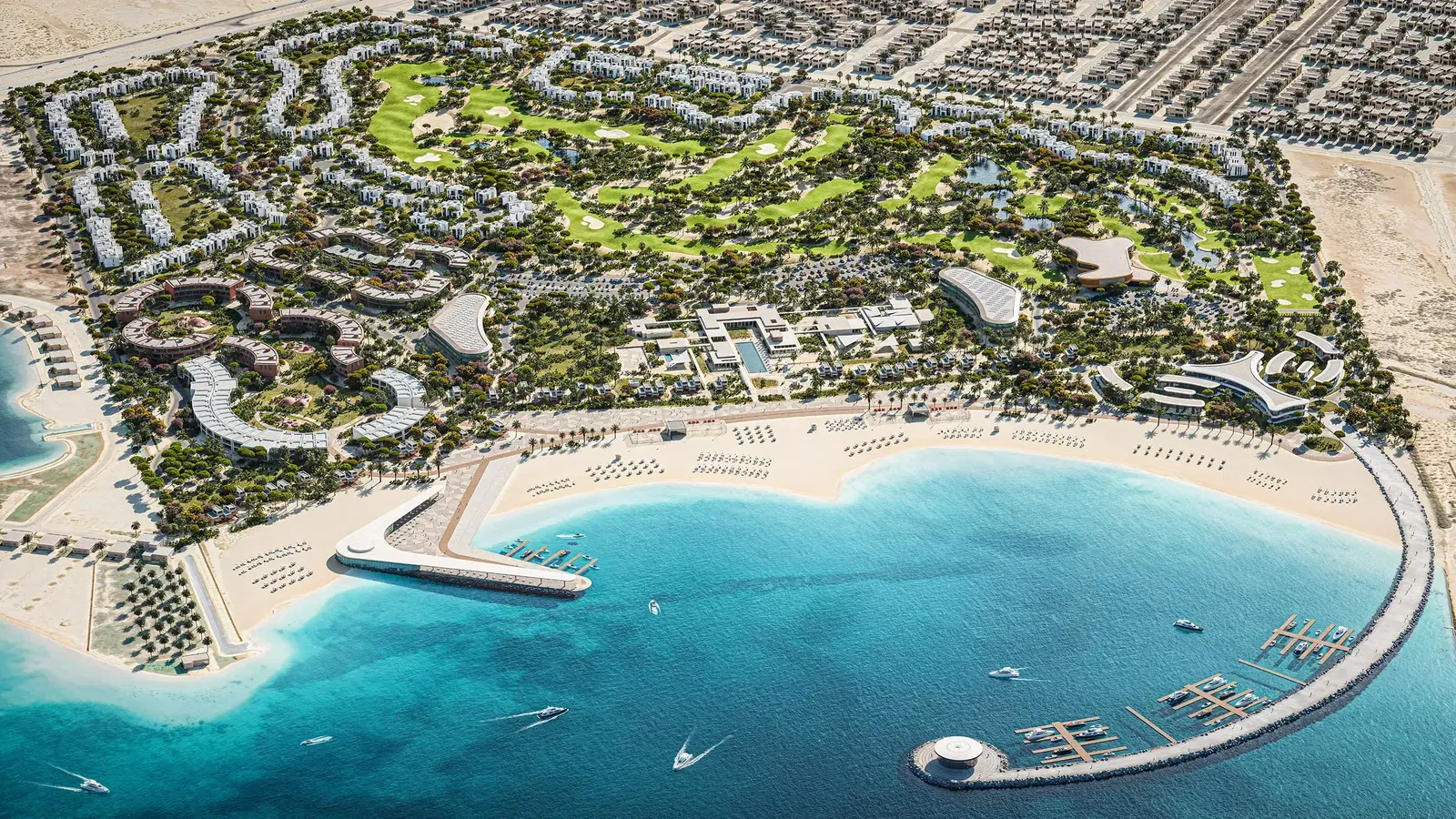
The Saudi real estate market is maturing fast. Developers who once accepted generic renders now demand visualization that resonates with local buyers and stands out in an increasingly competitive landscape. Saudi Arabia is in the midst of a construction renaissance. Vision 2030 projects have unleashed development at a scale and pace seen nowhere else in the world. For international developers entering this market, understanding what separates work that sells from work that falls flat is not optional. It is essential.
What makes architectural visualization work in Saudi Arabia?
Architectural visualization works in Saudi Arabia when it combines technical excellence with authentic cultural representation. Successful renders show spaces as Saudi families actually use them, depict accurate lighting conditions for the region's distinctive climate, include vegetation that survives in local conditions, and feature people dressed and behaving appropriately for Saudi contexts. Generic Middle East CGI that could represent Dubai or Abu Dhabi fails because Saudi buyers immediately recognize inauthenticity, even if they cannot articulate exactly what feels wrong.
At The Digital Bunch, we've delivered architectural visualization Saudi Arabia projects from our Riyadh office since 2024, working on everything from residential developments to NEOM visualization and hospitality concepts. What we've learned is that international developers often underestimate how much cultural knowledge matters. Technical capability is table stakes. Understanding Saudi life is what separates effective visualization from expensive mistakes.
Why does Saudi Arabia rely on visual communication differently?
Saudi Arabia relies on visual communication more heavily than most markets. When government bodies unveil Vision 2030 projects, they lead with imagery and video. When developers seek stakeholder buy-in, renders do much of the persuasion. When PIF real estate projects compete for attention and investment, visual quality often determines who gets heard.
This visual orientation has made architectural visualization central to decision-making in ways that developers from other markets may not expect. Renders are not just marketing materials. They are decision documents. They appear in ministerial presentations. They shape investor commitments. They set public expectations for what the Kingdom is building.
What accountability comes with Saudi visualization?
The consequence is that visualization carries more weight here and more accountability. General contractors are increasingly held to delivering buildings that match the approved renders. What appears in visualization becomes a benchmark against which the finished project is judged through architectural visualizations that must be defensible.
This changes what architectural visualization Saudi Arabia must accomplish: not just inspiring imagery, but realistic representation that can survive comparison with built reality. Aspirational renders that exaggerate or mislead create problems downstream. When buildings cannot match their marketing, developers face difficult conversations with buyers and authorities.
The PIF-backed mega projects have raised the bar dramatically. NEOM visualization, The Red Sea Project, Diriyah Gate. These developments deploy world-class visualization that sets buyer expectations for everything else. Private developers now compete not just against each other, but against this new standard of visual quality and storytelling through architectural animations.
What authenticity problems undermine architectural visualization Saudi Arabia?
Walk through the marketing suites of Saudi residential developments and you will see the same mistakes repeated. European-looking people populating Arab spaces. Vegetation that would die within weeks in Riyadh's climate. Light that suggests a latitude thousands of kilometers away. Lifestyle scenes that depict how Western families use space rather than how Saudi families actually live.
These errors might seem minor, but they accumulate into a feeling of inauthenticity that Saudi buyers register immediately. The visualization fails its fundamental purpose: helping buyers imagine themselves in the space. When we worked on CREA's Jeddah headquarters visualization, every detail was scrutinized for cultural accuracy because the project represented a major real estate investment.
Which specific details signal cultural misunderstanding?
The details matter more than international studios typically appreciate. Men wearing shmaghs incorrectly. Brand signage for retailers that do not operate in Saudi Arabia. Mixed gatherings that would not occur in professional Saudi settings. Outdoor scenes set at times when no one would actually be outside given the climate. Each error signals that the people who created this imagery do not understand Saudi life.
For developers, this creates risk. Buyers who feel that marketing materials do not represent their reality become skeptical of other claims. The disconnect between visualization and lived experience undermines trust at precisely the moment when trust matters most. This is why authentic rendering matters more than technical sophistication.
How do light and climate shape architectural visualization Saudi Arabia?
Saudi Arabia's environment shapes how architecture is experienced in ways that visualization must capture accurately. The quality of light here is distinctive. Midday sun is intense and nearly white, creating harsh shadows and washing out colors. Late afternoon brings a golden warmth as sand particles in the atmosphere filter the light.
These are not merely aesthetic variations. They fundamentally change how buildings read and how people inhabit outdoor spaces. Visualization that ignores these realities produces beautiful images that feel false. Renders showing families relaxing on unshaded terraces at noon. Evening scenes with light angles appropriate to northern Europe. Swimming pools glistening under conditions when the water would be uncomfortably hot.
How should visualization reflect lived experience?
Authentic visualization accounts for how Saudi residents actually use space across the day and seasons. Shaded areas that become gathering points during hot months. Interior spaces that provide refuge from afternoon heat. The specific times when outdoor amenities are genuinely appealing through interactive real estate solutions that show these transitions.
This attention to lived experience transforms visualization from pretty pictures into genuine previews of life in the development. The same principle applies to vegetation. Generic landscaping libraries fail in Saudi Arabia because the plants would not survive here. Authentic cultural visualization shows vegetation that belongs, species adapted to the climate, maintained in ways that reflect actual Saudi landscaping practice.
When creating visualizations for Roaya's Al-Khobar coastline development, understanding coastal climate patterns and how residents actually use waterfront spaces at different times was essential. Buyers notice when greenery looks implausible, and that implausibility spreads doubt about other aspects of the development.
What storytelling resonates in Saudi architectural visualization?
Effective architectural visualization tells a story about how life will unfold in a space. In Saudi Arabia, that story must reflect how Saudi families actually live. This extends beyond avoiding obvious errors. It requires understanding the social patterns that shape space usage.
How families gather. How hospitality works. How privacy is maintained while community is fostered. How public and private realms interact. These patterns are not universal. They reflect specific cultural practices that visualization must respect.
How should residential spaces be depicted?
Residential visualization must show spaces as Saudi families would use them. Configurations that accommodate extended family visits. Entertaining patterns that reflect local customs. Transitions between family areas and guest areas that make sense in the Saudi context. Commercial visualization must depict professional interactions that feel authentic to Saudi business culture through hospitality marketing approaches.
The mix of people shown matters as well. What combination of nationalities would realistically be present in this type of development? How would people be dressed? What activities would they plausibly be engaged in? International studios often default to generic "diverse" populations that do not reflect the actual demographics of Saudi communities.
Even signage tells a story. Showing brands and retailers that actually operate in Saudi Arabia signals that the visualization team understands the market. Showing international brands with no Saudi presence signals the opposite. This level of detail matters when creating NEOM visualization or any Vision 2030 projects where accuracy builds credibility.
What do international developers entering Saudi Arabia need?
The challenge for international developers in today's Saudi market is distinctive. They compete against PIF real estate projects with substantially larger budgets and higher production values. They need visualization that can hold its own against mega-project marketing while working within realistic resource constraints.
This requires a visualization partner who understands both the quality bar and the business reality. Not every developer can match NEOM's marketing spend. But every developer can ensure their architectural visualization Saudi Arabia work is authentic, compelling, and strategically effective.
What makes a visualization partner valuable?
The most valuable visualization partners for international developers are those who bring strategic thinking alongside technical execution. They help developers identify what makes their project distinctive and ensure that visualization communicates that differentiation clearly through feasibility sprint packages that test concepts before full development.
They understand that visualization is not decoration but a sales tool, and they optimize for commercial impact. For many developers, the ideal relationship is one where they can focus on what they do best while trusting their visualization partner to handle the complexity of authentic visual marketing.
This requires a partner with deep understanding of the Saudi market, not just technical capability. When we approach projects like Dubai's Tiger Sky Tower, the combination of regional understanding and technical excellence enables global sales.
How do you choose an architectural visualization partner for Saudi Arabia?
Selecting the right visualization partner for Saudi projects requires evaluating beyond technical showreels. Use this framework to assess whether a partner can deliver authentic cultural visualization that resonates with Saudi buyers.
Does the team include local Saudi expertise?
Cultural knowledge cannot be fully codified into guidelines or style sheets. It requires team members who notice when something is wrong because it contradicts their own experience. Ask whether the visualization team includes Saudi nationals alongside international technical experts.
The combination works: international experience with production techniques and visual storytelling, local knowledge ensuring that the story being told is authentic. Teams serving the Saudi market increasingly recognize this necessity.
Can they demonstrate authentic Saudi projects?
Request examples of previous Saudi work. Not just technically impressive renders, but visualization that feels authentically Saudi. Look for accurate depictions of how people dress and interact. Appropriate vegetation. Correct light quality. Spaces shown as they would actually be used.
Generic Middle East CGI that could be anywhere in the Gulf reveals that the team lacks specific Saudi market knowledge. Authentic rendering demonstrates understanding through hundreds of small details that accumulate into believability.
Do they understand Vision 2030 project standards?
The bar for quality in Saudi Arabia is set by PIF real estate developments. Does the partner understand what those projects demand? Can they articulate how their work compares? Do they follow developments in NEOM visualization, The Red Sea Project, and other mega-projects that define current standards?
Partners who can discuss these projects knowledgeably and explain how their approach serves similar quality objectives demonstrate market awareness that matters.
What is their process for cultural accuracy?
Ask how they ensure cultural authenticity. Do they have review processes involving Saudi team members? How do they handle details like dress, behavior, signage, and social interactions? Can they explain their research process for understanding how Saudis actually use different types of spaces?
Vague answers suggest they treat cultural accuracy as an afterthought. Specific processes demonstrate systematic attention to authenticity through architectural concept design sprints that validate cultural appropriateness early.
Can they work at Saudi business pace?
Saudi business culture expects rapid iteration and responsive communication. Visualization partners accustomed to slower, more formal processes struggle here. Ask about communication methods and turnaround times. Partners who understand the market will mention tools like WhatsApp and rapid iteration cycles.
The ability to work at local pace matters as much as technical quality. Missed deadlines and slow responses undermine even excellent work.
Do they offer strategic guidance or just execution?
The best partners help you think through what visualization needs to accomplish strategically. They ask about your target buyers, your competitive positioning, and your sales process. They recommend what to visualize and how to tell your story, not just execute your specifications.
This strategic capability differentiates partners who improve your project from those who simply produce what you ask for. When creating interior concept design visualization, strategic thinking about how buyers evaluate spaces shapes what gets shown.
What is their team composition and location?
Where is the team based? If they are not in Saudi Arabia, how do they maintain connection to the market? Distance creates challenges for understanding that evolves rapidly. Partners with on-ground presence track market changes, observe new developments, and maintain cultural currency.
Ask about team composition. A mix of Saudi and international expertise typically produces the best results. Pure international teams, no matter how skilled, miss nuances. Pure local teams may lack exposure to global production standards that Saudi buyers now expect.
What quality gap exists in Saudi visualization market?
The Saudi visualization market is bifurcating. At the top, developers working on major Vision 2030 projects demand and receive world-class quality. Visualization that would compete favorably anywhere in the world. Storytelling that reflects genuine understanding of Saudi life and aspirations through digital twins and interactive experiences.
Below this tier, much of the market still accepts work that is technically competent but culturally generic. Renders that could be anywhere in the Gulf, or anywhere with sunshine and modern architecture. This work sells in a less competitive market, but as buyer expectations rise, it becomes increasingly inadequate.
What opportunity does the quality gap create?
Developers who recognize this gap have an opportunity. By investing in visualization that meets the higher standard, they differentiate their projects in a market where much of the competition still relies on generic imagery. The visualization becomes part of the value proposition rather than just marketing collateral.
This investment is not primarily about budget. Authentic architectural visualization Saudi Arabia does not necessarily cost more than generic visualization. It requires working with teams who understand what authenticity means in the Saudi context and who have the local knowledge to execute it. The constraint is expertise, not spending.
When developing premium Dubai luxury visualizations, similar principles apply. Regional understanding drives differentiation more than budget.
What competitive advantage does authentic visualization create?
Developers who invest in authentic visualization gain more than better marketing materials. They signal to buyers that they understand and respect Saudi life. They build trust through accuracy. They differentiate against competitors still using generic approaches.
In a market where buyers are increasingly sophisticated and options are multiplying, this differentiation matters. The developer whose visualization feels true earns credibility that extends beyond the specific images. The developer whose visualization feels generic or borrowed raises questions about whether they truly understand their market.
How will the market continue evolving?
As Saudi Arabia's real estate market matures, the visualization that succeeds will be work that reflects the Kingdom's distinctive character rather than defaulting to international templates. Developers who recognize this shift and partner with teams capable of delivering authentic work position themselves for the market as it is becoming, not the market as it was.
The documentation of authentic details is ongoing work. How people actually dress across different settings. How spaces are used at different times. What activities happen where. The specific quality of light across seasons and times of day. This observational research feeds into visualization that feels true rather than assumed.
What should international developers do now?
The strategic imperative for international developers entering Saudi Arabia is clear: invest in architectural visualization that demonstrates cultural understanding, not just technical capability. The market rewards developers who take Saudi buyers seriously enough to show them authentic representations of their future.
Audit your current visualization approach
Evaluate your existing architectural visualization Saudi Arabia materials honestly. Do they feel authentically Saudi or generically Middle Eastern? Would Saudi buyers recognize their own life patterns in the spaces you show? Do lighting, vegetation, and human figures reflect actual Saudi conditions and demographics?
If your honest assessment reveals generic approaches, recognize that you are competing with one hand tied behind your back. The cost of improving is less than the cost of losing sales to competitors who invest in authenticity.
Select partners based on cultural capability
When choosing visualization partners, prioritize Saudi market understanding over pure technical prowess. Both matter, but technical excellence without cultural knowledge produces expensive imagery that does not sell. Cultural knowledge with adequate technical capability produces visualization that resonates.
Use the framework above to evaluate potential partners systematically. Do not settle for teams that cannot demonstrate authentic Saudi work and explain their process for ensuring accuracy.
Build long-term relationships
The best visualization partnerships develop over multiple projects. Teams that understand your development philosophy, your target buyers, and your competitive positioning create increasingly effective work. This accumulated knowledge compounds into competitive advantage.
Treat your visualization partner as strategic rather than transactional. Invest in their understanding of your business so they can contribute strategic thinking, not just execution.
Stay current with market evolution
The Saudi real estate market is changing rapidly. Visualization approaches that work today may feel dated in 18 months. Maintain awareness of how PIF real estate projects and Vision 2030 developments are raising standards. Ensure your visualization partner stays current with these evolving benchmarks.
The developers who succeed in Saudi Arabia are those who recognize that architectural visualization is not a commodity service. It is strategic capability that requires cultural expertise as much as technical skill. Partner with teams who understand this, and your visualization becomes a competitive advantage rather than just marketing collateral.
Keep reading

Marketing
Business
1/10
Which Digital Investments Actually Hold Value During Budget Pressure: Website, Brand, or Content?
03 October 2023
Marketing
Business
Which Digital Investments Actually Hold Value During Budget Pressure: Website, Brand, or Content?
03 October 2023
CGI
Business
2/10
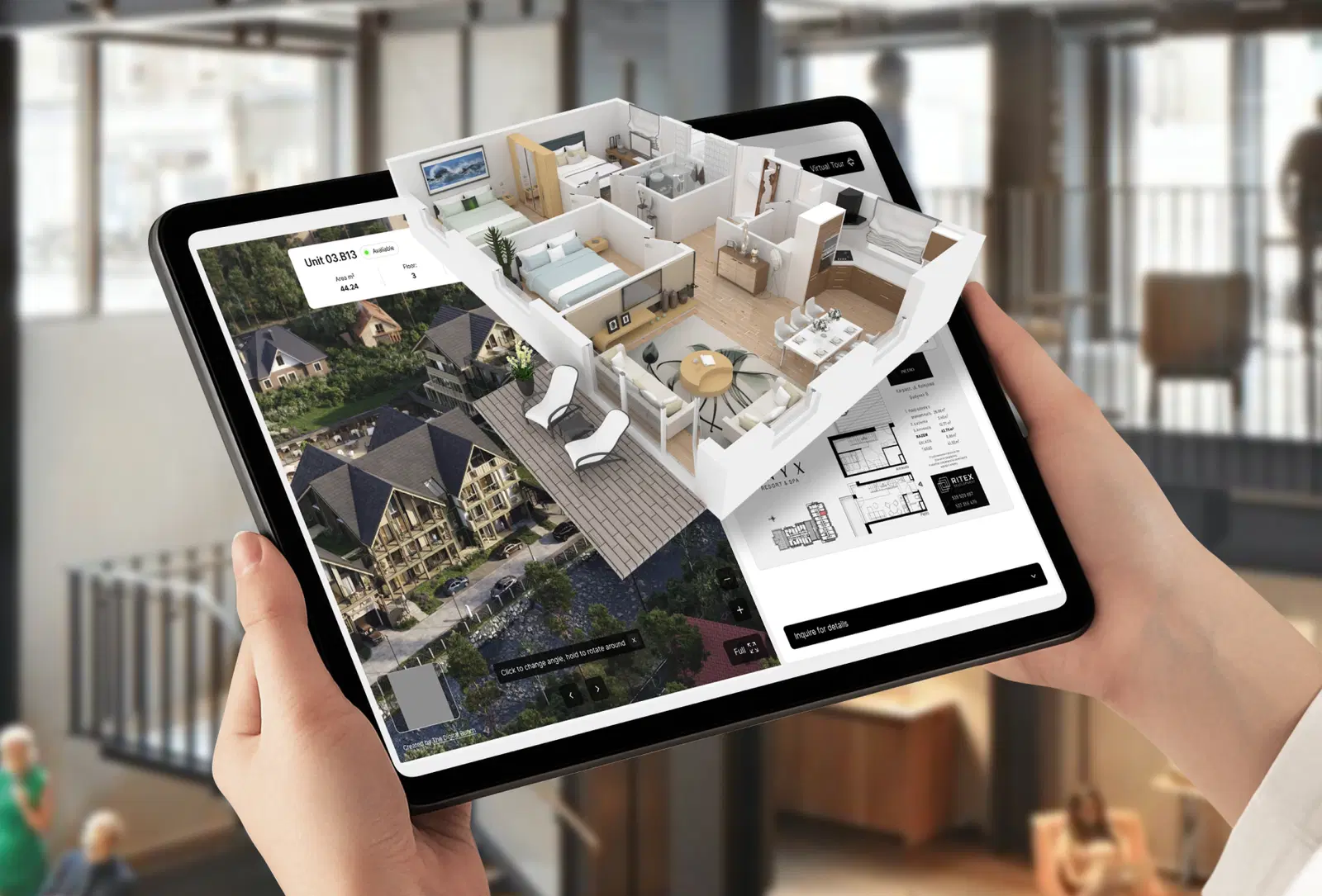
The Benefits of 3D Walkthroughs for Architects and Clients
08 August 2023
CGI
Business
The Benefits of 3D Walkthroughs for Architects and Clients
08 August 2023
Marketing
3/10
How Does Consumer Research Behavior Change Website Lead Generation Strategy?
11 February 2025
Marketing
How Does Consumer Research Behavior Change Website Lead Generation Strategy?
11 February 2025

Marketing
4/10
10 Critical Success Factors Every Startup Founder Must Master to Avoid Failure
10 December 2024
Marketing
10 Critical Success Factors Every Startup Founder Must Master to Avoid Failure
10 December 2024
Marketing
Design
5/10
UX/UI Design Trends for 2026: What's Worth Your Investment (And What's Just Hype)
13 January 2026
Marketing
Design
UX/UI Design Trends for 2026: What's Worth Your Investment (And What's Just Hype)
13 January 2026
Marketing
6/10
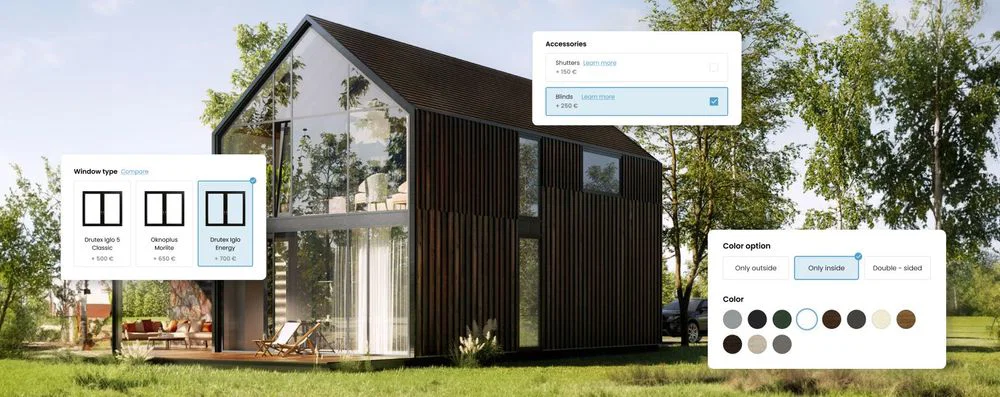
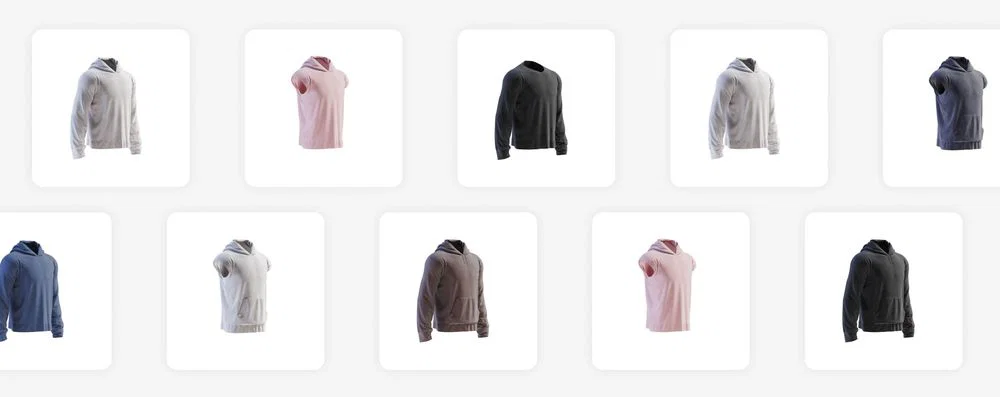
Creating an Interactive Buying Experience: The Power of 3D Product Configurators
13 August 2023
Marketing
Creating an Interactive Buying Experience: The Power of 3D Product Configurators
13 August 2023
Marketing
7/10
The Benefits of 360-Degree Product Views for Online Shopping
08 August 2023
Marketing
The Benefits of 360-Degree Product Views for Online Shopping
08 August 2023

Marketing
8/10
How Does 3D Product Animation Transform Social Media Marketing Performance?
10 January 2024
Marketing
How Does 3D Product Animation Transform Social Media Marketing Performance?
10 January 2024
CGI
Marketing
9/10
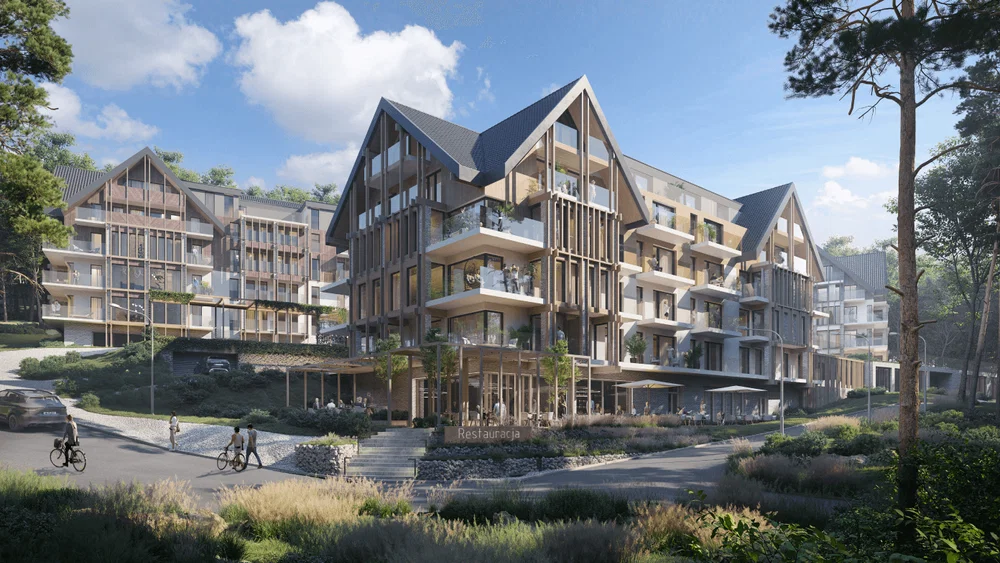
Why Real Estate Property Launches Fail Without Integrated Communication
09 April 2025
CGI
Marketing
Why Real Estate Property Launches Fail Without Integrated Communication
09 April 2025
Marketing
10/10
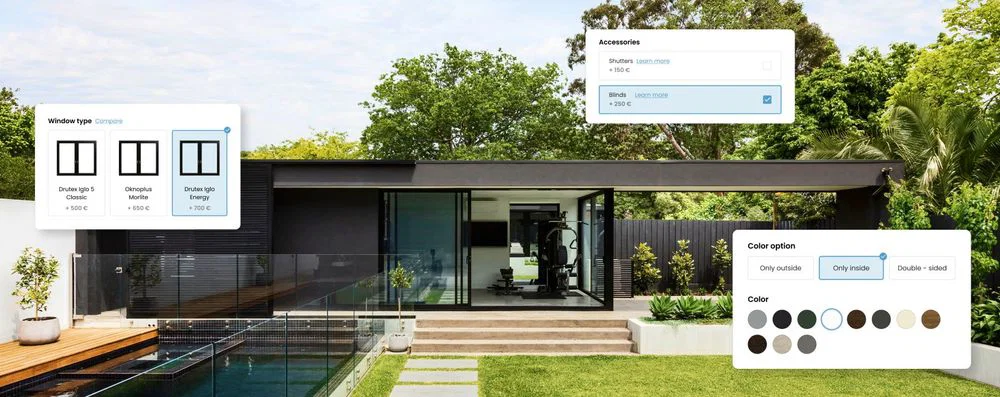
Shopping of the Future: Digital Experiences and Customization
30 October 2024
Marketing
Shopping of the Future: Digital Experiences and Customization
30 October 2024
1/10