23 November 2025
How Does Architectural Visualization Work in Saudi Arabia's Vision 2030 Real Estate Market?
Categories:
After twenty years of international architectural visualization experience, arriving in Saudi Arabia revealed something unexpected. The Kingdom isn't just building structures. It's creating an entirely new architectural language that honors tradition while pursuing unprecedented ambition. Success here requires more than rendering beautiful images. It demands understanding how Saudi culture, climate, and aspirations fundamentally shape how people experience and evaluate spaces before they exist.
-1.png?width=1200&quality=75&format=webp)
After twenty years of international architectural visualization experience, arriving in Saudi Arabia revealed something unexpected. The Kingdom isn't just building structures. It's creating an entirely new architectural language that honors tradition while pursuing unprecedented ambition. Success here requires more than rendering beautiful images. It demands understanding how Saudi culture, climate, and aspirations fundamentally shape how people experience and evaluate spaces before they exist.
Why Does Saudi Arabia's Visualization Market Require a Different Approach?
Vision 2030 has transformed architectural visualization from a marketing nice-to-have into an essential business tool. Every week brings new developers and architects who need to communicate projects of extraordinary complexity to government bodies, international investors, local buyers, and the broader public. The scale is unlike anything most visualization professionals encounter elsewhere.
The pace separates Saudi Arabia from other markets. Decisions that consume months in Europe or North America happen in weeks here. This acceleration demands visualization partners who can match the speed while maintaining global quality standards. The question isn't whether you can create beautiful renders. It's whether you can do it fast enough to support Saudi Arabia's development velocity without compromising accuracy or cultural authenticity.
What Makes Speed Without Quality Compromise Possible?
The workflow determines whether rapid iteration actually works. Instant communication through WhatsApp pairs with structured review systems to create efficiency that Saudi developers consistently praise. When a developer in Riyadh needs changes at 9 PM, they get immediate acknowledgment and clear timelines. When architectural animations need refinement, the feedback loop closes in hours, not days.
This responsiveness isn't about working around the clock. It's about understanding Saudi business culture deeply enough to anticipate needs and structure processes accordingly. The result is visualization development that keeps pace with Saudi Arabia's ambitious timelines while delivering work that stands up to international scrutiny.
How Does Cultural Context Shape Architectural Visualization?
Rendering buildings for Saudi projects is never culturally neutral. In this market, understanding context becomes critical to project success. Privacy isn't a preference. It's a fundamental design principle that must be visible in every residential visualization from the first concept render.
The way families gather, how public and private spaces interact, the importance of separation without isolation. These aren't details to add during final revisions. They're core to the visual narrative from initial sketches. A residential development that looks impressive but doesn't communicate appropriate privacy design will fail to resonate with Saudi buyers, no matter how technically polished the imagery.
Why Does Local Team Integration Matter More Than Technical Skill?
Saudi team members provide irreplaceable cultural interpretation that no amount of research can replace. They ensure written Arabic content resonates authentically. They catch visual details that would alienate local audiences. They understand the subtle differences in how public plazas function, how families use outdoor spaces, how traditional patterns create meaningful shadow play on modern facades.
Generic visualization libraries fail in Saudi Arabia because the visual culture is distinctive. People dress differently, gather differently, inhabit spaces differently. Regular documentation across Riyadh and other Saudi cities captures these authentic details. How families gather in shaded areas during weekend evenings. The specific blue of Riyadh's winter sky. The vegetation patterns that tell a story about climate adaptation. These observations transform generic renders into culturally resonant visualizations that Saudi audiences trust.
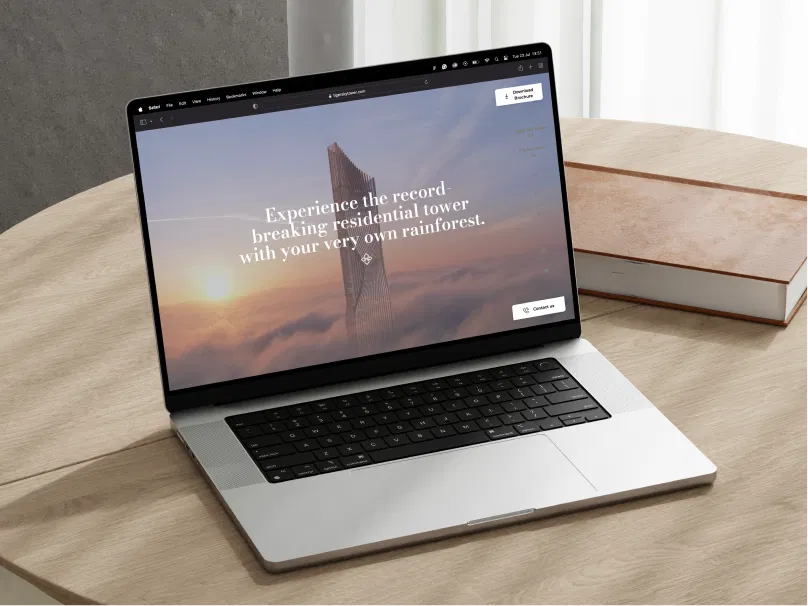
When working on the Tiger Sky Tower project, showcasing a world record structure required more than technical precision. Every viewing angle, every lifestyle scene, every material choice needed to communicate how the design respects Saudi social patterns while delivering luxury experiences that appeal to international buyers. That dual promise requires cultural fluency that goes far beyond beautiful imagery.
What Environmental Factors Must Saudi Visualization Address?
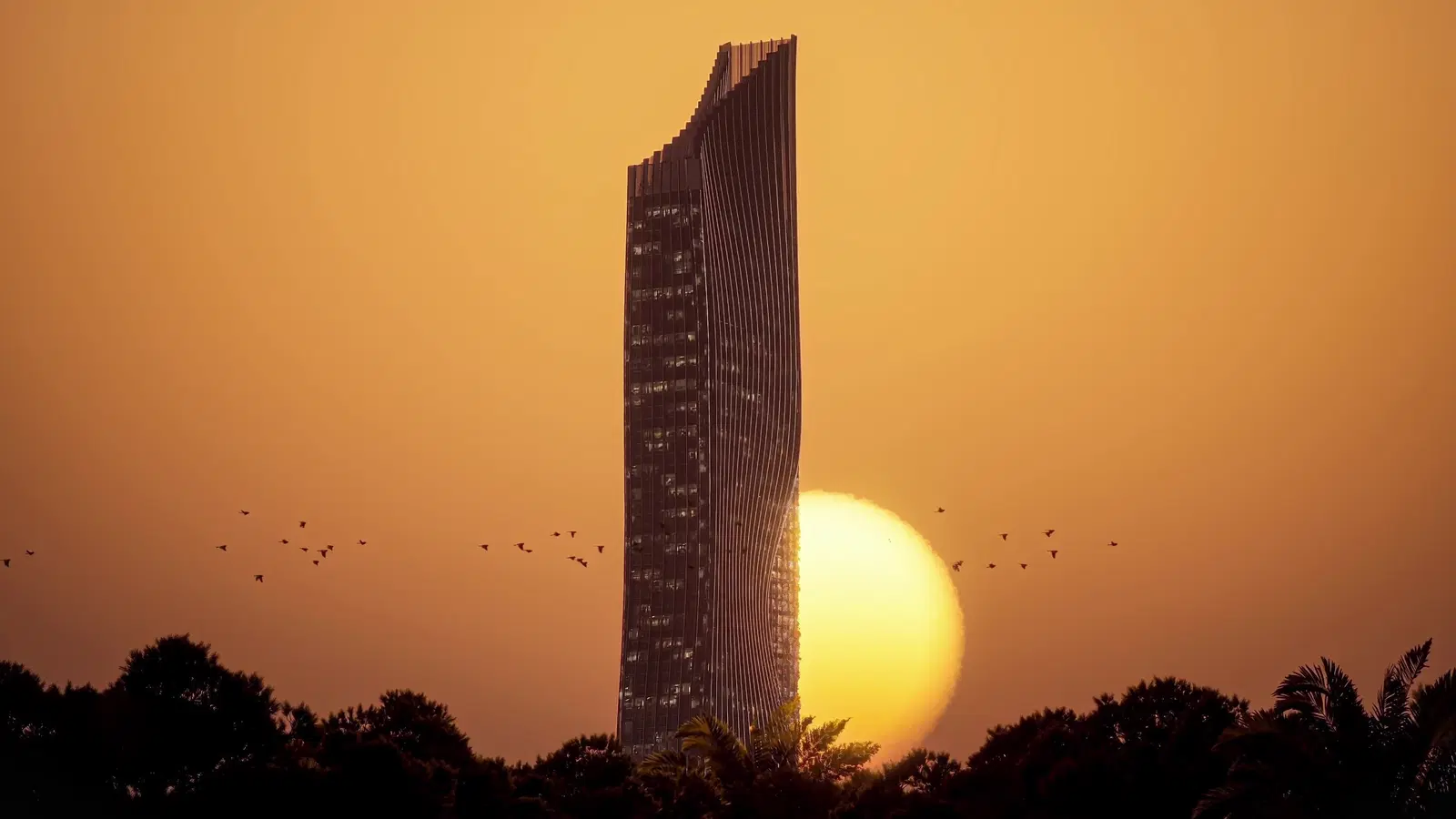
The Saudi light is unlike anywhere else. At noon, it's almost pure white. A brightness that can flatten architectural details if not properly managed in visualization. By late afternoon, sand particles in the atmosphere create golden warmth that transforms buildings completely. These aren't just aesthetic considerations. They're fundamental to how architecture is experienced here.
How Should Visualizations Represent Different Times of Day?
Honest representation builds trust and helps architects refine climate response. Showing buildings only at the perfect golden hour creates unrealistic expectations. Saudi clients need to see how their buildings will look during intense midday sun when shade becomes precious. They need to understand how materials perform across the dramatic range of Saudi lighting conditions.
This approach to art direction means accounting for these transitions systematically. Morning light reveals certain architectural details. Harsh midday conditions test material choices and shading strategies. Late afternoon warmth creates entirely different visual experiences. Comprehensive visualization shows all these conditions, giving stakeholders realistic expectations and architects valuable feedback for design refinement.
The environmental reality extends beyond light. Dust, heat shimmer, the way vegetation survives in arid conditions. All of these factors influence how buildings actually appear and function. Visualizations that ignore these realities might look impressive in portfolios but fail to serve their fundamental purpose: helping people understand and believe in spaces before they exist.
How Is Saudi Real Estate Development Evolving?
The sophistication of client expectations continues rising. Saudi developers aren't seeking generic rendering services. They want partners who understand that Saudi Arabia is creating its own architectural language. One that honors tradition while embracing bold innovation.
Recent trends toward mixed-use developments and community-focused spaces reflect fundamental shifts in how Saudis want to live. Developers ask for visualizations of entire ecosystems. Living, working, and gathering spaces that create communities that didn't exist before. They want potential buyers to understand how these spaces will enhance daily life, support businesses, and create social connections.
What Role Does Marketing Strategy Play in Visualization Success?
Architectural background enables consultation that goes beyond visualization execution. Working with developers on their marketing strategy helps them understand how design decisions impact commercial success. This intersection of design expertise and market understanding has become a signature strength.
When collaborating with leading developers like Roaya, the engagement goes beyond executing their vision. It involves identifying opportunities to enhance marketability through design refinement. Suggesting visualization strategies that accelerate sales cycles. Creating visual narratives that elevate brand perception. The result is work that serves both immediate sales needs and long-term brand building.
This strategic approach particularly matters for hospitality marketing, where visualizations need to convey not just physical spaces but the experiences they enable. How does a hotel lobby feel at different times of day? What emotional response does the restaurant space create? How do guest rooms balance luxury with the practical needs of international travelers? These questions require thinking beyond technical accuracy to emotional resonance.
What Technology Innovations Are Transforming Saudi Real Estate Marketing?
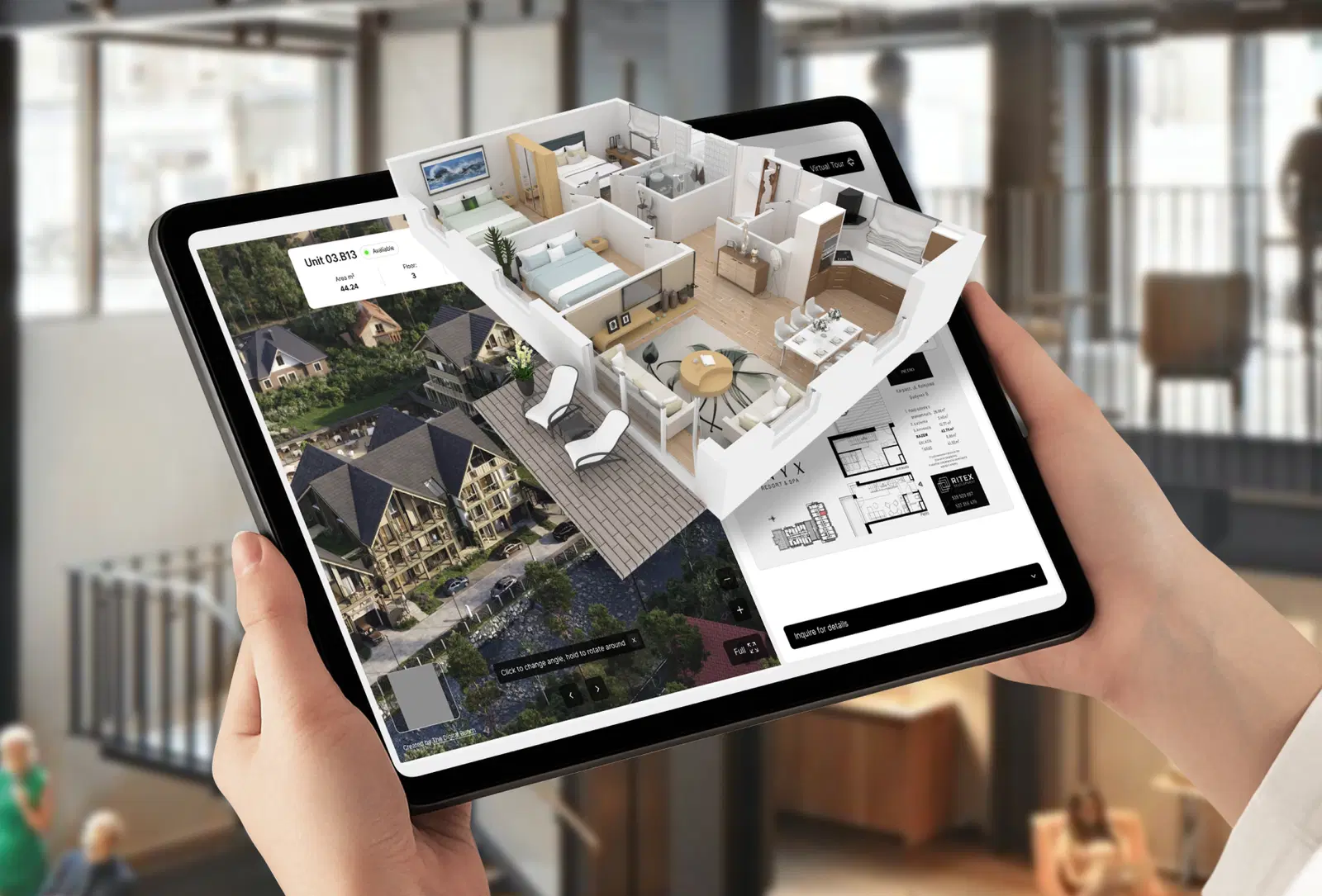
Traffic in Riyadh shapes business decisions in practical ways. Interactive real estate solutions address this directly by creating immersive digital experiences that allow buyers to explore properties comprehensively without multiple site visits. This isn't just convenience. It's a fundamental reimagining of the real estate sales process for the Saudi market.
How Do Digital Platforms Build Buyer Trust?
Advanced platforms do more than showcase spaces. They build trust through transparency. Buyers can examine every angle, understand spatial relationships, visualize their life in the property. For developers, this becomes a powerful differentiator that positions them as innovation leaders in an increasingly competitive market.
The platform approach transforms the relationship between developers and potential buyers. Instead of passive viewing of static images, buyers actively explore spaces. They make their own discoveries. They develop personal connections with properties before ever visiting physically. This active engagement creates stronger emotional investment and more confident purchase decisions.
Early project involvement often begins when developments exist only as rough sketches or ambitious ideas. This front-loaded collaboration proves invaluable in the Saudi context, where projects can pivot quickly based on market feedback or regulatory guidance. Exploring visual possibilities early, testing different approaches with stakeholders, refining concepts before committing to detailed design development. This saves months of potential revisions and ensures final visualization aligns perfectly with both design intent and market expectations.
How Does Working Across Saudi Arabia's Regions Differ?
Operating primarily from Riyadh, work spans the Kingdom. Projects for NEOM. Developments in Al Khobar. Residential communities across different Saudi cities. Each region has distinct characteristics. The cosmopolitan ambitions of NEOM. The business focus of Al Khobar. The cultural depth of Riyadh. Visualizations must reflect these distinctions to resonate with local audiences while maintaining consistent quality standards.
What Responsibility Comes With Visualizing Saudi Arabia's Transformation?
Working on Saudi Arabia's transformation carries profound responsibility. These visualizations don't just sell projects. They shape how the world perceives Saudi Arabia's future. Every image contributes to the national narrative of progress and ambition.
This responsibility demands absolute commitment to accuracy and authenticity. Creating possibilities grounded in real cultural understanding and genuine architectural merit, not fantasies. When international investors or buyers see these visualizations, they should see Saudi Arabia's authentic vision for its future. This means rejecting shortcuts, maintaining rigorous quality standards, and ensuring every project reflects the Kingdom's genuine aspirations.
The role of content strategy becomes critical here. How do you communicate complex architectural ideas across language barriers? How do you create visual narratives that resonate with both Saudi nationals and international audiences? How do you balance aspirational imagery with realistic expectations? These questions require strategic thinking that goes beyond technical visualization skills.
What Quality Standards Apply to Saudi Mega Projects?
Twenty years of international experience proves that quality isn't just technical excellence. It's cultural resonance, emotional connection, and strategic clarity. In Saudi Arabia, where projects represent national ambitions and enormous investments, this commitment to quality becomes even more critical.
How Is Quality Maintained Under Timeline Pressure?
Refusing to accept mediocrity, regardless of timeline pressure, defines the approach. Every image undergoes rigorous review for technical precision, cultural appropriateness, and strategic effectiveness. Creative directors ensure consistency across large projects while maintaining the unique character of each development.
This quality commitment extends to every aspect of production. 3D animations must render smoothly at high resolution. Retouching and postproduction must enhance without distorting. Arabic copywriting must feel natural to native speakers. Every element receives the attention necessary to meet international standards while respecting Saudi cultural context.
The evolution of quality standards continues accelerating. What impressed clients two years ago now represents baseline expectations. Developers increasingly request advanced capabilities. Real-time rendering for interactive presentations. Climate simulation visualizations showing seasonal performance. Data integration showing how spaces will be used across different times and scenarios. The technological requirements keep advancing, demanding continuous investment in capabilities and skills.
How Will Saudi Visualization Continue Evolving?
The Saudi visualization market moves rapidly toward greater sophistication. Digital twins, data-driven renderings, and climate simulation visualizations are becoming standard requirements for major projects. Developers want to see not just how buildings will look, but how they'll perform across seasons, how they'll age, how they'll adapt to changing use patterns.
What Capabilities Will Future Projects Require?
Integration of artificial intelligence into visualization workflows enables new possibilities. Automated style transfer that maintains cultural authenticity. Rapid generation of multiple design options for client review. Predictive modeling that shows how spaces will actually be used based on similar developments. These technological advances don't replace human creativity and cultural understanding. They amplify it.
Yet despite technological advances, the fundamental purpose remains unchanged. Helping people understand and believe in spaces before they exist. In a country building its future with such extraordinary ambition, this role becomes both more challenging and more essential. The visualization must be technically perfect, culturally appropriate, strategically effective, and emotionally resonant. All simultaneously. All under compressed timelines.
The integration of UX research into visualization projects represents another evolution. Understanding how buyers actually interact with digital presentations. Which viewing angles communicate most effectively. What information density works for different audience segments. This research-driven approach transforms visualization from artistic expression into strategic communication tool backed by behavioral data.
What Distinguishes Successful Visualization Partnerships in Saudi Arabia?
Success in Saudi Arabia's market requires more than technical capabilities or international experience. It demands deep investment in understanding and representing Saudi Arabia authentically. The combination of global expertise and local insight creates visualizations that resonate with all stakeholders. From local families seeking dream homes to international investors evaluating mega projects.
How Does Collaborative Process Support Project Success?
Quick iteration capability and strategic design consultation create comprehensive service that goes beyond traditional visualization. The partnership extends to helping clients navigate the complex Saudi market with confidence. This means understanding regulatory requirements, anticipating stakeholder concerns, and structuring presentations that communicate effectively across cultural and linguistic boundaries.
The collaborative approach emphasizes transparency and accessibility. Regular updates through preferred communication channels. Clear milestone tracking. Honest assessment of timeline feasibility. When challenges emerge, addressing them directly rather than making promises that can't be kept. This straightforward approach builds trust that enables long-term partnerships rather than transactional project relationships.
Working within Saudi Arabia's development ecosystem requires understanding how different stakeholders evaluate projects. Government bodies focus on alignment with Vision 2030 objectives and regulatory compliance. International investors need financial projections supported by realistic market positioning. Local buyers want emotional connection and practical understanding of how spaces serve their lives. Single visualization projects must often serve all these audiences simultaneously, requiring strategic versatility.
How Can Developers Select the Right Visualization Partner?
Selecting visualization partners for Saudi projects means evaluating several critical factors. Technical capability is baseline. Every serious firm can create photorealistic renders. The differentiators lie elsewhere.
What Questions Should Developers Ask Potential Partners?
Understanding of Saudi cultural context separates generic service providers from true partners. How does the firm ensure cultural authenticity? What local team members provide cultural interpretation? How do they validate that visualizations will resonate with Saudi audiences? Firms without satisfactory answers to these questions will produce technically competent work that fails to connect with its intended audience.
Process flexibility matters enormously in Saudi Arabia's fast-moving market. How quickly can the firm iterate based on feedback? What communication channels do they support? How do they handle urgent revision requests? The best technical work becomes worthless if delivery timelines don't align with Saudi Arabia's development pace.
Strategic value extends the partnership beyond execution. Does the firm simply render what you specify, or do they offer insights on how design decisions impact marketability? Can they suggest visualization strategies that enhance sales effectiveness? Do they understand the broader digital strategy context in which visualizations operate? The most valuable partners think beyond their immediate deliverables to overall project success.
What Does the Future Hold for Saudi Architectural Visualization?
Participating in nation-building through design offers something unique in Saudi Arabia. The opportunity to contribute to transformation that will define the region for generations. Every project connects to a larger vision. Every visualization contributes to demonstrating that tradition and innovation can strengthen each other, that sustainability and luxury can coexist, that Saudi Arabia can create its own model for urban development.
The developers and architects working here aren't just building structures. They're creating frameworks for new ways of living. Proving that rapid development and thoughtful design aren't contradictory. Showing that mega projects can maintain human scale and cultural resonance. Contributing to this transformation through visualization work carries responsibility and privilege in equal measure.
As the market matures, the bar continues rising. Yesterday's impressive work becomes tomorrow's baseline. The firms that thrive will be those that invest continuously in capability development, maintain deep cultural engagement, and refuse to compromise quality standards regardless of timeline pressure. For developers navigating this environment, choosing partners who share this commitment becomes critical to project success.
Keep reading
CGI
Business
1/10
The Benefits of 3D Walkthroughs for Architects and Clients
08 August 2023
CGI
Business
The Benefits of 3D Walkthroughs for Architects and Clients
08 August 2023
CGI
2/10
The Importance of Lighting in Architectural Visualization
13 July 2023
CGI
The Importance of Lighting in Architectural Visualization
13 July 2023

CGI
3/10
Should You Choose 3D Product Renders or Professional Photography for Your Brand?
16 February 2026
CGI
Should You Choose 3D Product Renders or Professional Photography for Your Brand?
16 February 2026
CGI
4/10
Unlocking the Future of Urban Planning with 3D Digital Twins
02 September 2024
CGI
Unlocking the Future of Urban Planning with 3D Digital Twins
02 September 2024
CGI
5/10
How Cross-Industry Visualization Techniques Are Changing What's Possible in Architectural and Product Marketing
02 October 2024
CGI
How Cross-Industry Visualization Techniques Are Changing What's Possible in Architectural and Product Marketing
02 October 2024
CGI
6/10
How Do Successful Visualization Studios Build Sustainable Growth?
09 October 2023
CGI
How Do Successful Visualization Studios Build Sustainable Growth?
09 October 2023
CGI
7/10
How to UX/UI Design a 3D Configurator That Makes Sense?
11 January 2026
CGI
How to UX/UI Design a 3D Configurator That Makes Sense?
11 January 2026
CGI
Marketing
8/10
Why Real Estate Property Launches Fail Without Integrated Communication
09 April 2025
CGI
Marketing
Why Real Estate Property Launches Fail Without Integrated Communication
09 April 2025
CGI
9/10
How AI Is Changing Architectural Visualization (And What It Cannot Replace)
28 September 2025
CGI
How AI Is Changing Architectural Visualization (And What It Cannot Replace)
28 September 2025
CGI
Marketing
10/10
How Architecture Firms Should Structure Visualization Capability in 2026: In-House, Outsourced, or Hybrid?
03 February 2026
CGI
Marketing
How Architecture Firms Should Structure Visualization Capability in 2026: In-House, Outsourced, or Hybrid?
03 February 2026
1/10