14 December 2025
Why Do Cheap Architectural Renderings Cost More Than Premium Visualization?
Categories:
Architectural renderings are rarely treated as strategic tools. Most developers add them at the end, once decisions are locked. This approach feels efficient, but it's one of the most expensive mistakes in real estate development. When visual communication fails to match architectural ambition, the entire project suffers in ways that spreadsheets never capture.
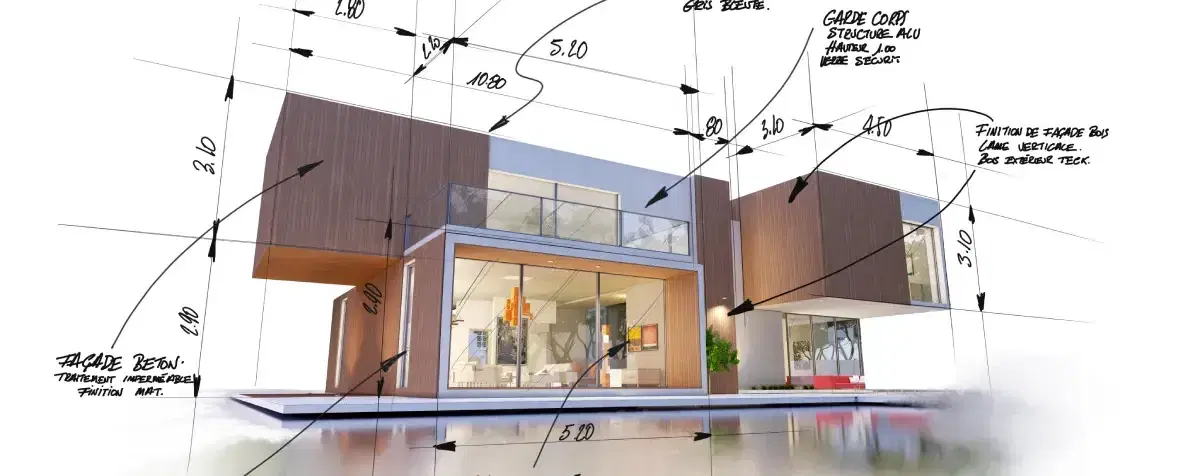
Architectural renderings are rarely treated as strategic tools. Most developers add them at the end, once decisions are locked. This approach feels efficient, but it's one of the most expensive mistakes in real estate development. When visual communication fails to match architectural ambition, the entire project suffers in ways that spreadsheets never capture.
What role does architectural visualisation actually play in development?
The conventional wisdom treats visualisation as decoration. Something you add after the architecture is finalized, layouts approved, materials selected. A necessary expense before marketing begins, nothing more.
This framing misses what architectural visualisation actually accomplishes. Renderings aren't cosmetic additions. They're decision-making instruments that shape how projects get perceived, evaluated, and ultimately valued by everyone who encounters them.
Consider what happens when you present a project to investors, planning authorities, or prospective buyers. The architecture might be exceptional on paper. Location strong. Financials solid. But if the visual communication fails to match that quality, everything reads as weak. Not because audiences consciously judge image quality, but because humans assess complex offerings through pattern recognition and emotional response before analytical evaluation ever begins.
A poorly communicated project signals lack of confidence, lack of attention to detail, lack of differentiation. These impressions form in seconds. Once established, they're remarkably difficult to reverse, regardless of the project's actual merit.
Why does visual quality affect how buyers perceive value?
Architecture gets evaluated through two simultaneous channels: rational assessment and emotional response. Floor plans, square footage, and location data feed the analytical process. Visual presentation drives the emotional one, and that emotional channel processes faster and carries more weight in early decision-making.
When someone encounters a project for the first time, they form an immediate impression based on how it looks before they analyze what it offers. If the rendering appears generic, rushed, or poorly executed, viewers unconsciously categorize the entire project as generic, regardless of its actual merit.
We use available signals to form rapid assessments, then selectively gather data to confirm or challenge those assessments. Visual quality serves as a proxy for overall project quality because it demonstrates how much care went into presentation, which suggests how much care went into execution. Understanding buyer psychology helps developers recognize why this matters so much.
How do buyers actually make real estate decisions?
Real estate purchases, particularly in the premium segment, follow a predictable psychological sequence. First comes the emotional connection. Something about the project resonates. The buyer envisions themselves in the space. They feel aligned with what the development represents.
Only after this emotional connection forms does serious analytical evaluation begin. Buyers justify decisions rationally, but they make them emotionally. Premium developments sell on aspiration, identity, and lifestyle-driven marketing before they sell on specifications.
Low-quality visualisation short-circuits this process. It prevents the emotional connection from forming. Without that initial resonance, buyers never engage deeply enough to appreciate the project's actual strengths. They move on to something that captures their imagination, even if objectively inferior.
Why can't premium architecture be communicated cheaply?
The relationship between architectural ambition and visual communication isn't arbitrary. They operate as a matched system. When one element operates at a significantly different level than the other, the disconnect undermines both.
Think about fine dining. A Michelin-level chef doesn't serve exceptional food on disposable plates. Not because the food would taste worse, but because the entire experience collapses. The presentation, plating, atmosphere, and service pacing all contribute to how the cuisine is perceived and valued.
Architecture functions identically. A well-designed building communicated through cheap renderings loses most of its perceived value before anyone visits the site. The visual language needs to match the architectural ambition, or the project never gets the consideration it deserves.
What signals does inadequate visualisation send to buyers?
Every rendering communicates something beyond the building itself. It signals the developer's priorities, confidence level, and target market positioning. These signals operate whether you intend them or not.
Cheap visualisation sends several problematic messages simultaneously. It suggests the developer isn't confident enough in the project to invest in proper presentation. It implies cost-cutting as a core value rather than an exceptional circumstance. It positions the project as competing on price rather than quality or unique value proposition.
Prospective buyers and investors read these signals instantly. They might not articulate what bothers them about the images, but they'll feel the project doesn't merit serious consideration. Premium buyers especially are sensitive to visual quality because they use it to sort signal from noise in crowded markets.
How does poor visualisation affect competitive positioning?
In markets where architectural typologies become repetitive, visual communication becomes the primary differentiator. This pattern is particularly visible in emerging real estate markets where many developments follow similar layouts, unit mixes, and material palettes.
Saudi Arabia provides a clear example. Residential developments in major cities often share comparable specifications. Similar plot sizes, building heights, unit distributions, amenity packages. When everything looks the same on paper, buyers make decisions based on how projects feel. Projects like Roaya in Al-Khobar demonstrate how sophisticated visualisation creates differentiation in competitive coastal markets.
Without strong brand identity through visual differentiation, developers can't command premium pricing. They're forced to compete on location and price alone, which compresses margins and commoditizes the offering. The cost of poor visualisation isn't the fee you didn't pay a rendering studio. It's the discount you're forced to offer because your project doesn't stand out.
What are the hidden business costs of inadequate rendering?
The financial impact of inadequate visualisation usually appears later in project budgets because it manifests indirectly. But the costs accumulate quickly and significantly outweigh any savings from choosing cheaper rendering services.
How do weak visuals extend sales cycles?
When visual presentation fails to create emotional resonance, the sales process becomes purely transactional. Sales teams can't leverage aspiration or lifestyle alignment. They're stuck defending specifications against comparable offerings, which means longer conversations, more site visits, more negotiation.
Extended sales cycles have compounding costs. Marketing spending stretches over longer periods. Sales teams handle fewer transactions. Capital stays tied up in unsold inventory. Financing costs accumulate.
A project that could sell units in three months might take eight or nine months with poor visualisation. That's six months of carrying costs that directly impact return on investment. The architectural rendering costs you saved become trivial compared to the expense of delayed sales velocity. This is where proper marketing strategy pays dividends.
What happens to pricing power without visual distinction?
Premium pricing requires perceived differentiation. When buyers see multiple similar projects, they default to comparing prices and making value-based decisions. This works against developers trying to position projects as distinctive or superior.
Without strong visual communication, developers face pressure to discount. Not because the building is inferior, but because buyers can't perceive the difference. The sales team hears constant price comparisons. Buyers treat the decision as commodity selection rather than choosing something unique they're willing to pay more for.
This pricing pressure cascades. Early discounts set expectations for later buyers. The entire project's positioning slides down-market, regardless of actual quality. You can't recover lost positioning mid-project. Once the market perceives your offering as mid-tier, moving it back to premium becomes nearly impossible.
How did Dubai establish visualisation standards?
Dubai's evolution offers perhaps the clearest example of how visual communication drives market perception. Twenty years ago, most international audiences saw Dubai as purely a financial hub. Today it's recognized globally for architectural ambition and lifestyle positioning.
This transformation depended on consistent, high-quality visual communication. Every major project launched with exceptional renderings, animations, and marketing materials. The visual standard became part of the expectation. Projects like the world-record breaking Tiger Sky Tower exemplify this commitment to visual excellence.
The market-level impact went beyond individual projects. The accumulated effect of thousands of high-quality renderings created a perception of Dubai as a place where architecture matters and innovation happens. That perception attracted more investment, which funded more ambitious projects, which generated more impressive visuals, creating a reinforcing cycle.
What happens when markets cut back on visualisation?
The opposite pattern is equally instructive. In certain segments and markets, developers have recently pulled back on visualisation investment. The reasoning usually follows predictable lines: the market is strong, properties will sell anyway, we need to control costs.
The results are becoming visible. Units stay unsold longer. Projects blend into the background. International interest declines because nothing stands out as worth special attention. The market doesn't collapse, but it loses momentum and premium positioning.
This matters because market perception has long tails. Once a market gets categorized as mid-tier or purely transactional, changing that perception takes years. Individual developers can't fix market-level positioning problems alone. But they can avoid contributing to the decline by maintaining high visual communication standards even when competitors cut back.
When should visualisation teams get involved in projects?
Timing represents one of the biggest missed opportunities in real estate development. Most projects involve visualisation studios far too late, after most strategic and design decisions are locked. This approach wastes the full value that visualisation expertise can provide.
What questions should visualisation inform?
Strong rendering studios don't just execute predetermined designs. They bring perspective on what creates emotional response, what communicates value, and what differentiates offerings in crowded markets. This expertise should inform decisions while they're still fluid.
Before finalizing architectural concepts, visualisation teams can indicate which elements will photograph well, which views will resonate most strongly, and which design choices will help or hurt marketing. They understand how spaces read in two-dimensional representation, which differs from how they feel in person.
Before locking in materials and finishes, rendering specialists can show how choices will appear in marketing materials across different lighting conditions and contexts. Some materials that look exceptional in person photograph poorly. Others gain impact through camera work. Understanding these dynamics prevents costly late-stage changes through proper art direction.
How does early involvement change project outcomes?
When visualisation teams participate in early-stage decisions, projects develop around clear communication strategies from the beginning. This doesn't mean letting marketing drive architecture. It means ensuring architectural intent and visual communication align from the start rather than forcing alignment later.
Projects structured this way launch with stronger, more coherent marketing because the content strategy informed the architecture. The renderings don't just show the building. They tell the story the building was designed to tell.
This integration also prevents expensive revisions. Discovering in final rendering stages that key views don't work or signature features don't photograph well forces rushed corrections or compromised marketing. Early involvement catches these issues when they're easy to address.
How do sophisticated developers approach visualisation?
Understanding how sophisticated developers think about visualisation reveals a fundamentally different frame than cost minimization. They treat visualisation as strategic infrastructure that shapes project success from conception through sales completion.
What does visualisation accomplish beyond showing buildings?
Premium developers recognize that renderings serve multiple functions simultaneously. They communicate architectural intent to stakeholders who can't read technical drawings. They test market response before construction begins. They create marketing assets that drive sales. They establish brand consistency across portfolio.
Each function delivers distinct value. The rendering that convinces an investor to commit provides different return than the image that closes a sale to an end buyer. The value isn't just in having images. It's in having the right images for specific strategic purposes at specific moments.
This means calculating premium visualization ROI requires looking beyond direct marketing conversion. Include the value of aligning stakeholders early, of testing concepts before committing construction budget, of establishing positioning that commands premium pricing. The full value far exceeds what simple cost-per-sale analysis suggests.
Why maintain high standards even in strong markets?
When markets are hot and properties sell quickly, the temptation to cut marketing costs is strong. If units move regardless of image quality, why invest in premium visualisation?
Market leaders resist this thinking because they understand positioning is cumulative. Every project contributes to how the market perceives the developer. Maintaining consistent high standards builds reputation as a quality-focused operator, which compounds over time into brand value.
This reputation makes the next project easier to sell. Buyers familiar with previous quality enter new developments with existing trust. They're willing to commit earlier and pay more because they've internalized the developer's standards. Building this trust requires consistency. One poorly presented project damages years of reputation building.
What are the real costs of budget visualisation?
Budget-focused visualisation decisions create costs that don't appear in rendering invoices but significantly impact project economics. These hidden costs often exceed the savings that motivated the cheap-rendering decision in the first place.
How much do extended sales cycles actually cost?
Extended sales cycles represent the largest hidden cost. When visual materials fail to generate strong initial interest, properties sit unsold longer. Each additional month of inventory carries costs: financing, maintenance, marketing, opportunity cost of locked capital. For a mid-sized development, this can easily reach hundreds of thousands in unnecessary expenses.
Pricing pressure from lack of differentiation shows up as discounts and concessions rather than visualisation costs, making the connection easy to miss. But when sales teams consistently face price objections because prospects see the project as interchangeable with alternatives, the root cause is often inadequate visual differentiation. Strong conversion optimization starts with compelling first impressions.
Why does the "try cheap first" approach backfire?
We regularly encounter clients who initially chose low-cost visualisation providers, discovered the results were inadequate, and then needed proper images. The problem they face is predictable: they now have less budget available because they've already spent money on unusable work.
This pattern plays out consistently. A developer allocates visualisation budget, splits it between a cheap initial vendor and reserves for contingencies. The cheap vendor delivers images that won't support sales objectives. Now the developer needs quality work but has already consumed thirty to forty percent of their visualisation budget on material they can't use.
The financial waste is frustrating, but the timeline impact often causes more damage. Discovering visualisation problems after engaging a cheap vendor means losing weeks or months. For projects with fixed launch dates or pre-construction sales targets, this delay has cascading consequences.
When does visualisation investment matter most?
Certain project types and market conditions amplify visualisation's strategic value. Understanding these contexts helps developers allocate resources effectively and avoid false economies.
Which project types require premium visualisation?
Competitive markets with numerous similar offerings put maximum pressure on visual differentiation. When buyers evaluate multiple comparable projects, the one with superior visual presentation typically wins regardless of modest actual differences. In these contexts, visualisation isn't optional. It's the primary competitive tool.
Premium-positioned projects require visualisation that matches their positioning. Budget-level rendering on a luxury development creates catastrophic disconnect between claimed quality and perceived quality. Projects targeting Dubai's luxury segment understand this principle. The visual communication needs to justify and reinforce the premium pricing, or buyers won't accept it.
Pre-construction sales depend entirely on visualisation because buyers can't experience the physical space. The renderings are the product during the sales period. Cutting corners here means selling an inferior product regardless of how good the actual building will be.
How is technology changing visualisation economics?
Real-time rendering, AI tools, and other emerging technologies are shifting what's possible in architectural visualisation while changing the economics of how quality work gets delivered.
What can real-time rendering accomplish now?
Real-time rendering engines originally developed for gaming now offer quality approaching traditional offline rendering at dramatically faster speeds. This speed advantage changes how visualisation can integrate into project workflows.
Rapid iteration becomes practical. Instead of waiting days for rendering changes, adjustments happen in minutes. This supports more exploration of alternatives and refinement of details. The result is often better final quality because there's time to properly optimize rather than committing to early concepts.
Interactive experiences become viable for project marketing through interactive real estate solutions. Prospective buyers can explore spaces from multiple angles, adjust lighting conditions, or swap material options. This engagement creates stronger emotional connection than static images alone.
What role will digital twins play in development?
Digital twin technology, creating live synchronized models of physical spaces, is moving from industrial applications into real estate. The potential applications span construction management, building operations, and tenant experience.
During development, digital twins can help coordinate complex construction by showing how systems fit together before installation. This catches conflicts early and reduces expensive on-site corrections. Post-construction, digital twins support building management by visualizing system performance, energy usage, and maintenance needs.
For developers, the implication is that visualisation assets are becoming infrastructure rather than marketing expense. Models built for pre-construction marketing can evolve into operational tools, increasing return on visualisation investment while improving building performance.
What decisions should developers make about visualisation?
After examining visualisation's strategic role, business impact, and evolving technology, a clear conclusion emerges. The question isn't whether to invest in quality visualisation. It's how to structure that investment for maximum project benefit.
How should visualisation budget relate to project economics?
Rather than thinking about rendering costs in isolation, consider them relative to total project value and sales objectives. A development with fifty million in sales potential should think very differently about visualisation than a five million project.
As a rough guideline, visualisation investment typically ranges from half a percent to two percent of total development value for premium projects, with percentage decreasing as project scale increases. But these are just benchmarks. The right number depends on competitive positioning needs and marketing strategy.
Compare visualisation costs to other marketing expenses. For most developments, visualisation represents a fraction of total marketing budget but generates disproportionate impact because images drive all other marketing channels. Every advertisement, brochure, website, and presentation depends on the core visual assets.
What relationship structure works best with visualisation partners?
Long-term partnerships typically deliver better results than project-by-project vendor relationships. When developers and studios work together repeatedly, shared understanding accumulates. Communication becomes more efficient. The studio develops deep knowledge of the developer's standards and preferences.
Include visualisation partners in early project discussions before concepts are finalized. This front-end involvement costs little but dramatically increases the strategic value they can provide. Projects serving the hospitality sector or other premium segments particularly benefit from this integrated approach.
What mistakes should developers avoid?
Never choose rendering partners primarily on price. The cheapest option almost never delivers adequate results. Choose based on strategic capability, relevant experience, and cultural fit with how your team works.
Don't provide incomplete briefs and expect studios to fill gaps through assumption. Unclear requirements lead to revisions, frustration, and mediocre results. Invest time upfront defining precisely what you need, who needs to see it, and what response you're trying to generate.
Avoid treating visualisation as afterthought added at the end. By then, opportunities to influence the project toward more effective communication are gone. Bring visualisation thinking into early planning even if you're not commissioning final images yet.
What does your visualisation strategy signal?
Return to the fundamental question: what does your project communication say about you? Every developer consistently sends signals about their values, standards, and market positioning. These signals compound over time into reputation.
Budget visualisation signals cost-focus over quality-focus. It indicates you see communication as expense rather than investment. Premium visualisation signals confidence, attention to detail, and commitment to excellence. It indicates you believe your project deserves proper representation.
The real cost of cheap architectural visualisation isn't the money you save on rendering fees. It's the positioning you lose, the sales velocity you sacrifice, and the premium pricing you can't justify. These costs vastly exceed any upfront savings. High-end architecture demands high-end communication not because of aesthetics, but because strategic business outcomes depend on it.
Keep reading

Marketing
Design
1/10
UX/UI Design Trends for 2026: What's Worth Your Investment (And What's Just Hype)
13 January 2026
Marketing
Design
UX/UI Design Trends for 2026: What's Worth Your Investment (And What's Just Hype)
13 January 2026
Design
2/10
How to create effective typography in graphic design?
01 October 2023
Design
How to create effective typography in graphic design?
01 October 2023
.png?width=1600&quality=75&format=webp)
Design
3/10
Is Your Organization Actually Ready for Product Validation (Or Will You Just Waste Money on Workshops)?
10 April 2024
Design
Is Your Organization Actually Ready for Product Validation (Or Will You Just Waste Money on Workshops)?
10 April 2024

Software Development
Design
4/10
UX/UI Design Trends in 2026: What Is Actually Changing and Why It Matters
19 April 2026
Software Development
Design
UX/UI Design Trends in 2026: What Is Actually Changing and Why It Matters
19 April 2026
Marketing
Design
5/10
How Does Understanding Consumer Behavior Improve Digital Lead Generation?
13 November 2024
Marketing
Design
How Does Understanding Consumer Behavior Improve Digital Lead Generation?
13 November 2024
.png?width=1000&quality=85&format=webp)
Marketing
Design
6/10
Adding New Dimensions to 7C's of Website Design: A 2026 Perspective
20 January 2026
Marketing
Design
Adding New Dimensions to 7C's of Website Design: A 2026 Perspective
20 January 2026

Marketing
Business
7/10
Which Digital Investments Actually Hold Value During Budget Pressure: Website, Brand, or Content?
03 October 2023
Marketing
Business
Which Digital Investments Actually Hold Value During Budget Pressure: Website, Brand, or Content?
03 October 2023
Software Development
8/10
How to Build a Website in 2026: What the Process Actually Involves
14 April 2026
Software Development
How to Build a Website in 2026: What the Process Actually Involves
14 April 2026

CGI
Business
9/10
The Benefits of 3D Walkthroughs for Architects and Clients
08 August 2023
CGI
Business
The Benefits of 3D Walkthroughs for Architects and Clients
08 August 2023
Marketing
10/10
How Does Consumer Research Behavior Change Website Lead Generation Strategy?
11 February 2025
Marketing
How Does Consumer Research Behavior Change Website Lead Generation Strategy?
11 February 2025
1/10