
Fulcrum - Building AI-powered insurance automation that reduced policy processing from 4 hours to 10 minutes for 100+ agencies
AI automation software that transforms 4-hour insurance tasks into 10-minute workflows for 100+ agencies who can finally free up agent's time for the work that actually matters.
Client:
Fulcrum
Year:
2024
Industry:
Insurance
Services:

Client:
Fulcrum
Year:
2024
Industry:
Insurance
Services:
Executive Summary
Fulcrum needed a production-ready insurance automation platform to streamline policy operations from proposal through verification. As an embedded development partner, we owned the full-stack platform build while collaborating closely with Fulcrum's founding team on product direction and insurance-specific logic. The platform processes hundreds of daily operations, reducing policy processing time from 4 hours to 10 minutes and serving 100+ agencies within months of launch.
Digital Bunch Solution
We embedded directly into Fulcrum's engineering team, attending client sessions and translating feedback into working software the same day. The partnership followed a clear division: Fulcrum's leadership provided insurance domain expertise and product direction, while we delivered the engineering capacity and technical architecture. We built three core engines (automated proposal generation, intelligent comparison tools, compliance verification) on modular architecture that scales across agencies while maintaining the precision insurance operations demand.
Fulcrum faced the challenge of turning complex insurance workflows into automated software when the founding team had the domain knowledge and product vision but needed a dedicated engineering team that could build fast, iterate constantly, and scale alongside the business.
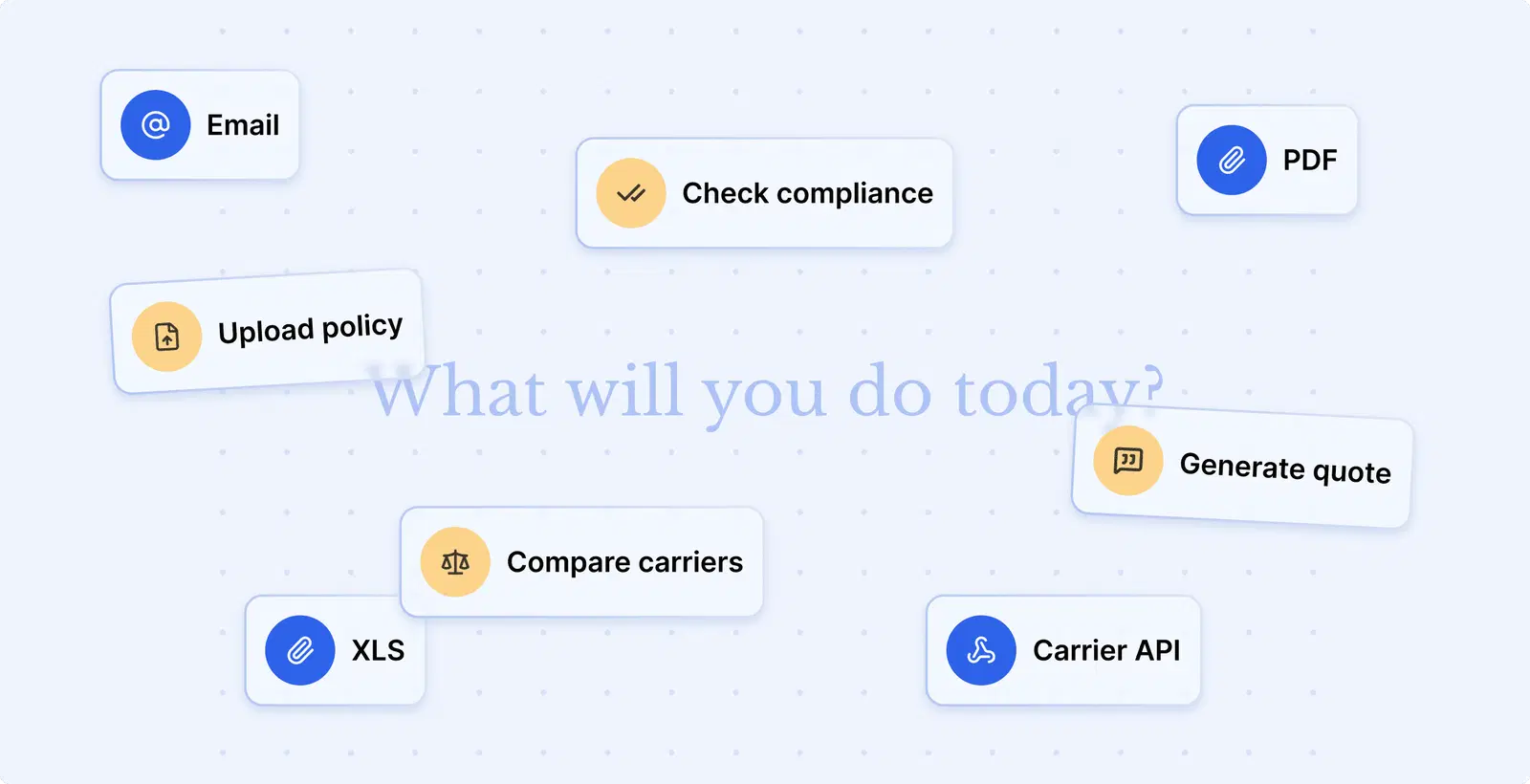
4 hrs → 10 mins
Policy processing time reduced
AI automation cut a four-hour manual task to ten minutes.
100+
Agencies on the platform
More than 100 agencies now process policies through Fulcrum.
1
AI platform replacing manual workflows
We eliminated the paper-based processes limiting agency throughput.
Insurance automation works when engineers learn the domain directly from the people who understand it. Software that transforms agency operations requires product decisions and engineering decisions to happen in the same conversations.
Understanding what really mattered for Fulcrum
Fulcrum needed to turn complex insurance document workflows into software in an industry where manual processing was the norm. The founders understood the problem deeply. What they needed was an engineering team that could keep up with the pace of their ambition.
Challenge
Popular insurance platforms offered basic functionality but guaranteed manual overhead. Document-based competitors lacked intelligent processing or workflow automation. Standard solutions failed to handle insurance complexity while maintaining performance optimized for enterprise operations.
Solution
We became Fulcrum's engineering team. Our developers worked directly within Fulcrum's product workflow, building the platform's infrastructure, integration layers, and front-end experiences while the founders guided the AI and domain-specific components. This split meant each side focused on what they do best.
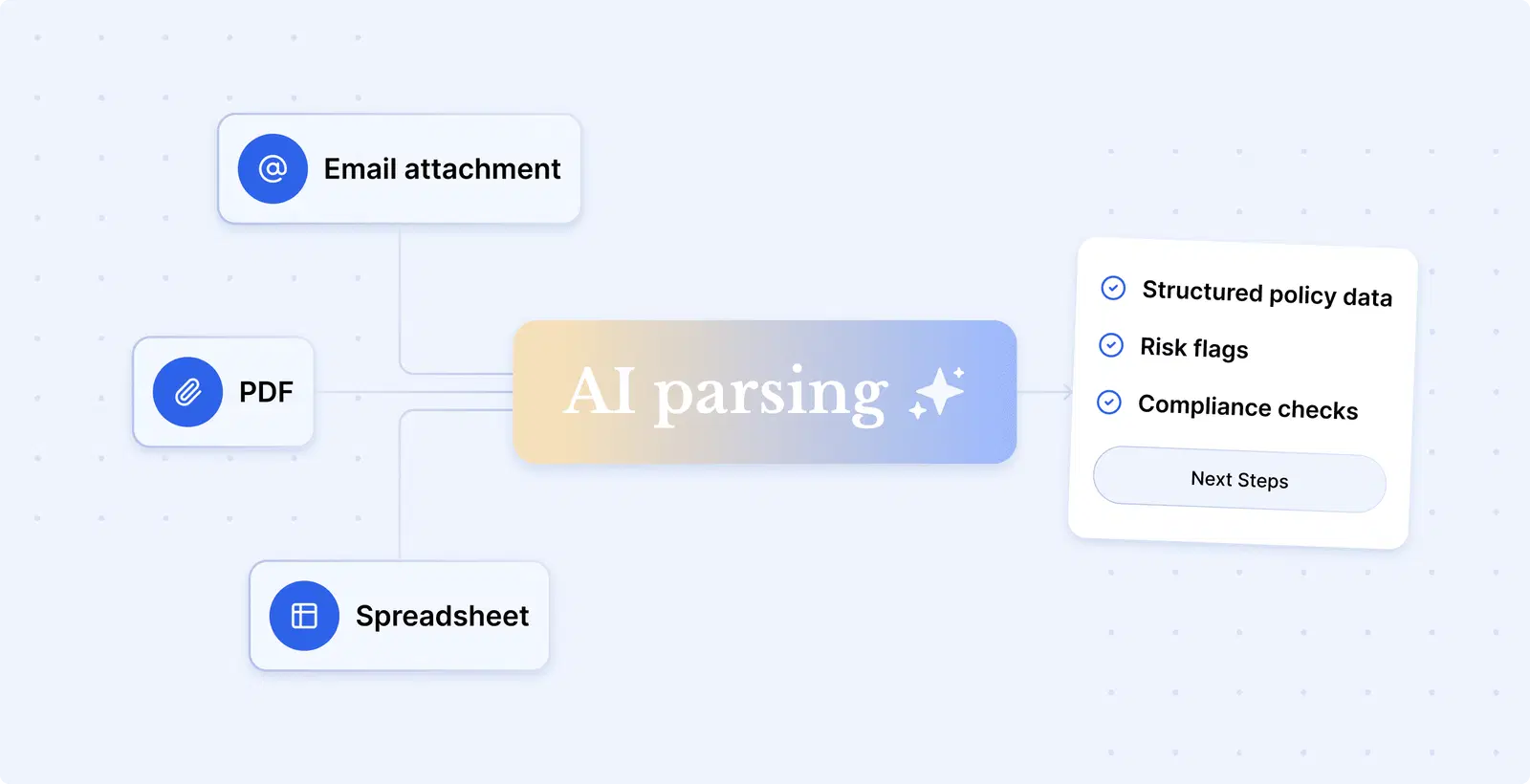
Our Unique Approach: Intelligence Applied to Insurance
We began with comprehensive insurance workflow analysis and AI model training for document recognition. Our intelligence algorithms informed automated decisions from policy parsing to verification optimization, building efficiency through technological sophistication.
Technical excellence through AI-powered architecture delivered superior performance compared to manual systems, with enterprise integration specifically designed for insurance operations. Custom development created unique functionality impossible to replicate.
Platform development emphasized seamless workflow automation, intelligent document processing without manual intervention, and analytical insights providing actionable intelligence. This comprehensive approach created immediate operational recognition and competitive positioning for the Fulcrum platform.

Aleksander Stós
CTO & Co-Founder
We had to align carrier policy formats with AI parsing while keeping data in sync with Applied Epic. Every step needed visible checks so agents could trust comparisons and verification. We scaled from pilot runs to 200–300 generations a day and cut verification from 4 hours to about 10 minutes. The result was automation that felt reliable because it explained itself.
Do you want your brand to shine?
The Business Impact: Value Creation at Scale
Fulcrum achieved immediate operational transformation through AI automation setting it apart from manual-processing competitors. Enterprise platform performance matched professional standards while intelligent workflow processing capabilities resonated with agencies targeting operational excellence without manual processing limitations.
Technical performance delivered superior automation capabilities compared to manual platforms across enterprise networks, reliable performance during high-volume processing periods, seamless integration with Applied Epic and enterprise systems, and professional analytics tools for efficient platform management.
The Fulcrum platform provides scalable architecture supporting unlimited growth, competitive moat through AI automation impossible for competitors to replicate, performance edge through ongoing optimization, and proprietary technology as valuable platform asset rather than basic insurance software functionality.
Our goal was to give Fulcrum the engineering velocity and platform architecture needed to move from concept to market leader, while their team focused on the insurance expertise and product vision that makes the platform genuinely valuable to agencies.
Embedded Engineering Team
We didn't operate as an external vendor. Our developers joined Fulcrum's standups, attended client-facing meetings, and worked within the same tools and communication channels as the founding team. This embedded model meant zero lag between a product decision and engineering execution. When priorities shifted based on market feedback, our team pivoted the same day.
Rapid Prototyping and Feature Delivery
Speed was the competitive advantage. Fulcrum's founders needed to test ideas with real agencies quickly to validate product-market fit. We built a development workflow around rapid prototyping, where new features could be shipped, tested, and iterated on within days. This allowed the founding team to stay in constant conversation with their market without waiting on long development cycles.
Enterprise Integration Architecture
The platform required deep integration with Applied Epic, the industry-standard agency management system. We architected an API-first integration layer that keeps data flowing between systems without manual intervention. The design supports future enterprise system connections beyond Applied Epic, giving Fulcrum flexibility as the market evolves.
Scalable Platform Development
We engineered the platform for growth from day one. Modular architecture means individual components can evolve independently without system-wide disruption. The cloud infrastructure handles 200-300 daily generations reliably, with headroom built in for significant volume increases as Fulcrum's agency network expands.
Why This Transformation Succeeded
The project succeeded because of a partnership model built on trust and clear ownership. Fulcrum's founders owned the product vision, the insurance domain expertise, and the AI logic that makes the platform intelligent. Our team owned the engineering execution, the platform architecture, and the delivery speed that got the product to market.
This wasn't a handoff model where one team writes requirements and another builds to spec. We were in the room for every product conversation, every client feedback session, and every strategic pivot. That proximity meant our code reflected real market needs, not assumptions filtered through documentation.
Technical excellence came from building the right architecture from the start. Enterprise-grade infrastructure, modular design, and API-first integration gave Fulcrum a platform that scales without re-engineering. And the rapid prototyping workflow meant the founding team could validate ideas with real agencies before committing to full feature builds. Most importantly, this model let Fulcrum move at startup speed with enterprise quality. While competitors were stuck in traditional development cycles, Fulcrum was shipping, testing, and iterating with live agencies.
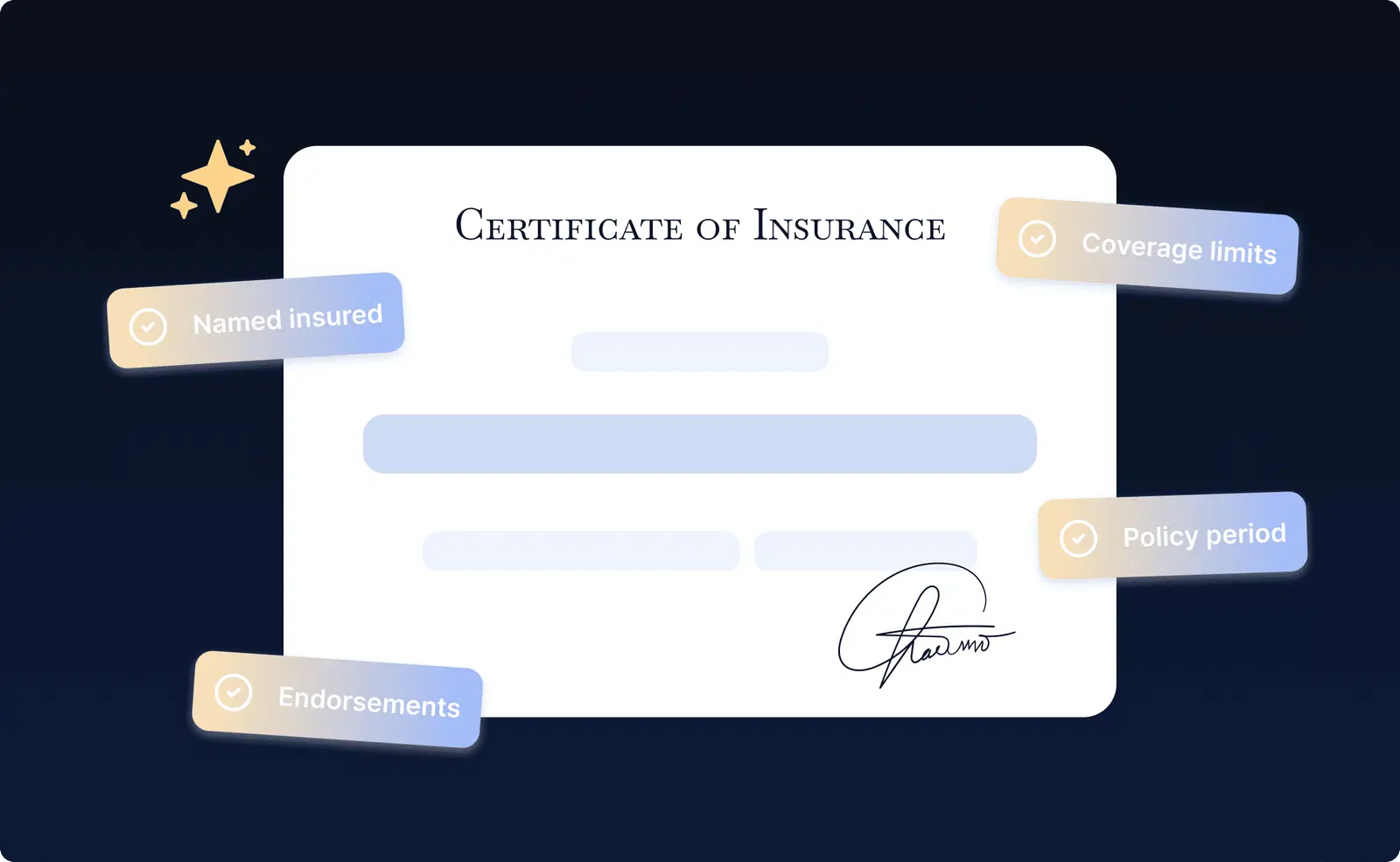


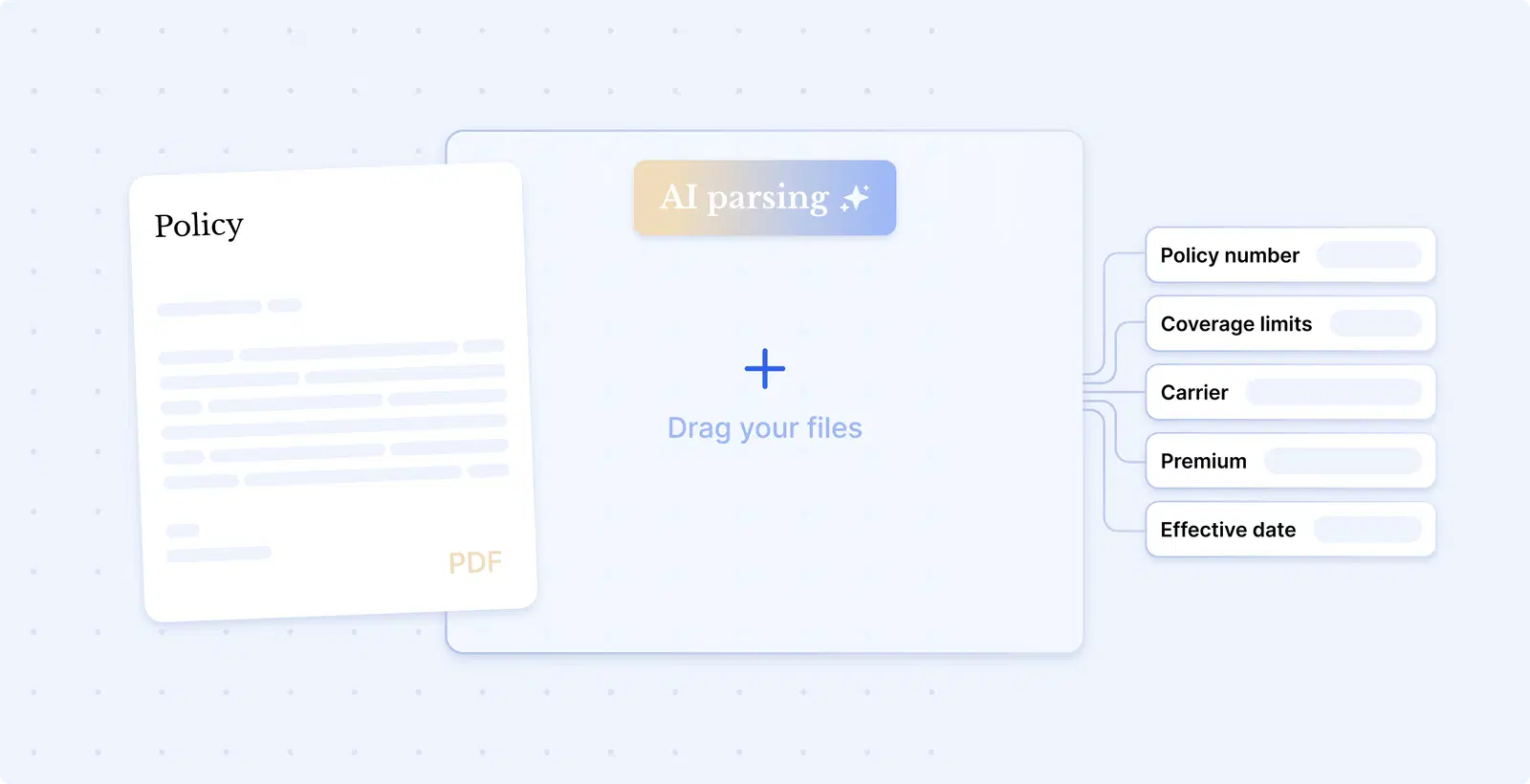
Fulcrum's transformation was about choosing AI excellence over manual convenience. The operational demand was always real. The efficiency need was always present. What was missing was intelligent implementation combined with enterprise excellence, elements that connected insurance agencies to automated operational advantages through advanced platform technology.
Looking Forward: The AI Insurance Platform Advantage
Fulcrum now stands as a benchmark for insurance technology excellence. From manual-processing limitations to AI automation transformation capabilities. From basic software experiences to intelligent workflow optimization features. From technical constraints to innovation leadership.
This project represents the future of insurance technology, moving beyond manual convenience toward AI solutions that create authentic operational advantages and sustainable competitive positioning for insurance platforms.
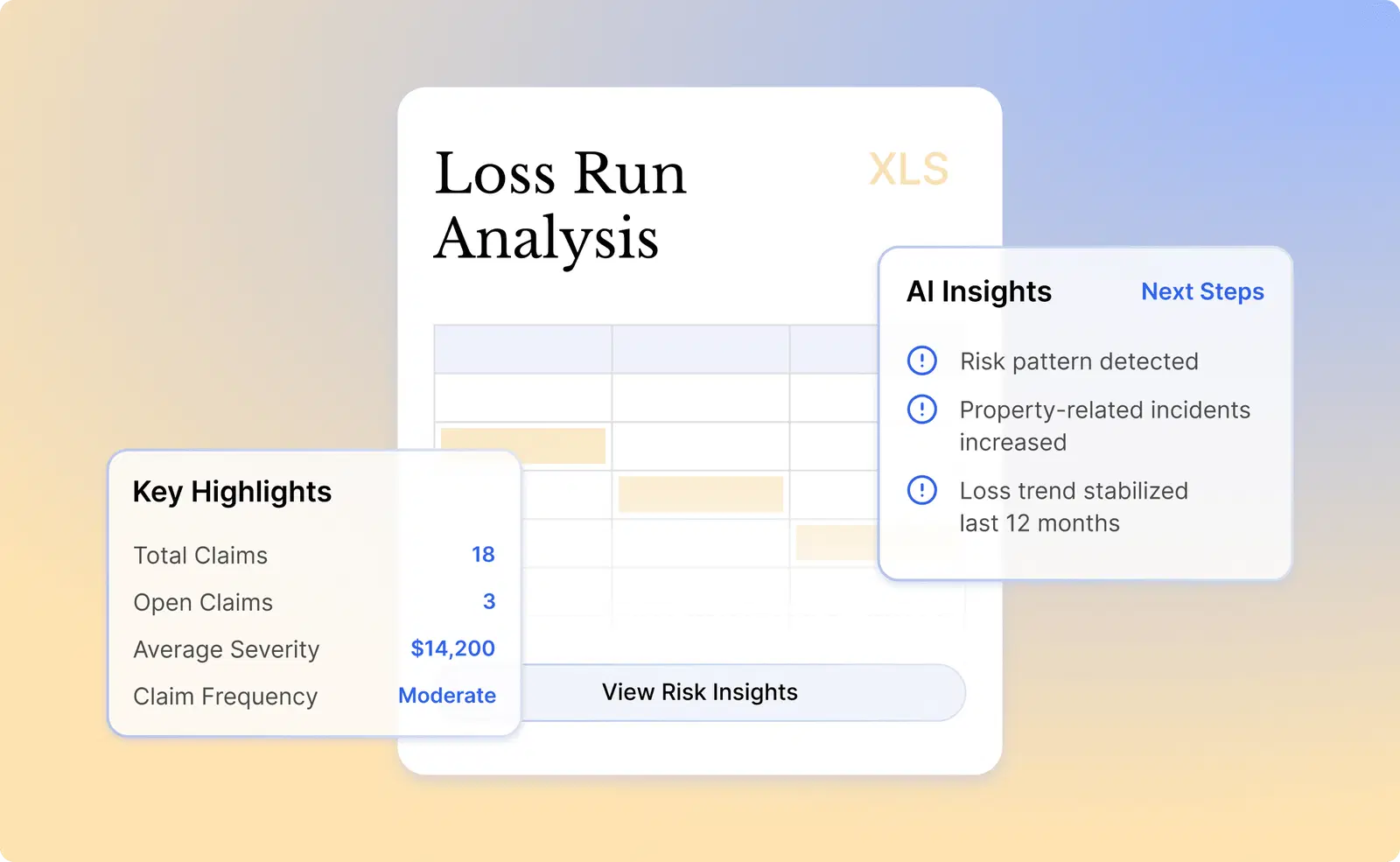


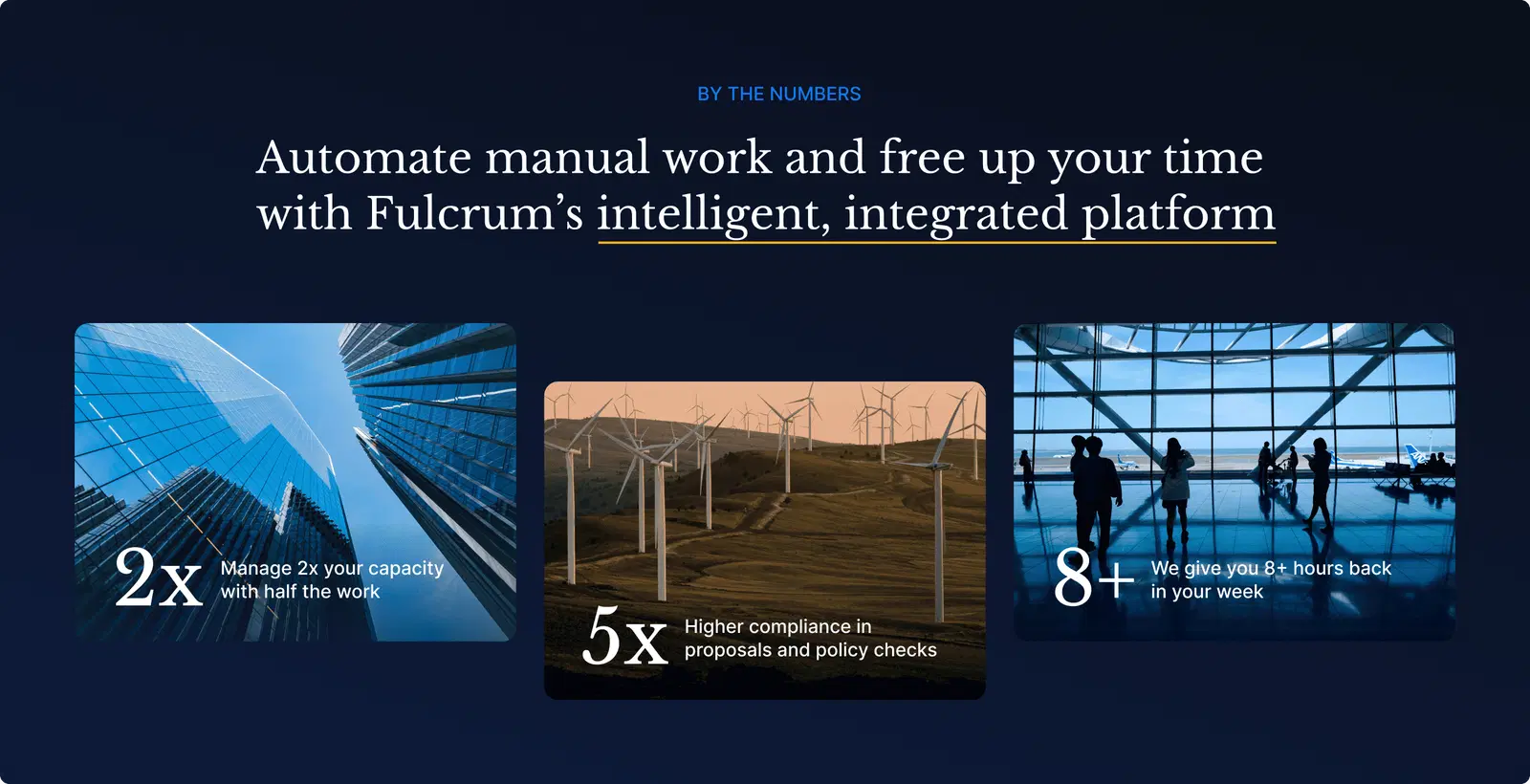
Digital Bunch helped Fulcrum evolve from a functional insurance concept into a fully-fledged intelligent automation ecosystem.
Sambhav Anand
CEO & Founder, Fulcrum
We picked Digital Bunch because they had the specific engineering expertise we needed, particularly around enterprise integrations and building scalable platform architecture. That's a narrow skill set and hard to find. But what made the partnership exceptional was how they worked with us. They weren't a vendor delivering to a brief. They were in the room, understanding the product, and turning our ideas into working software faster than we thought possible. It was a genuine synergy. Our insurance domain knowledge paired with their technical depth."
Read more about our work
Brand Strategy
Content Strategy
Brand Identity
1/10
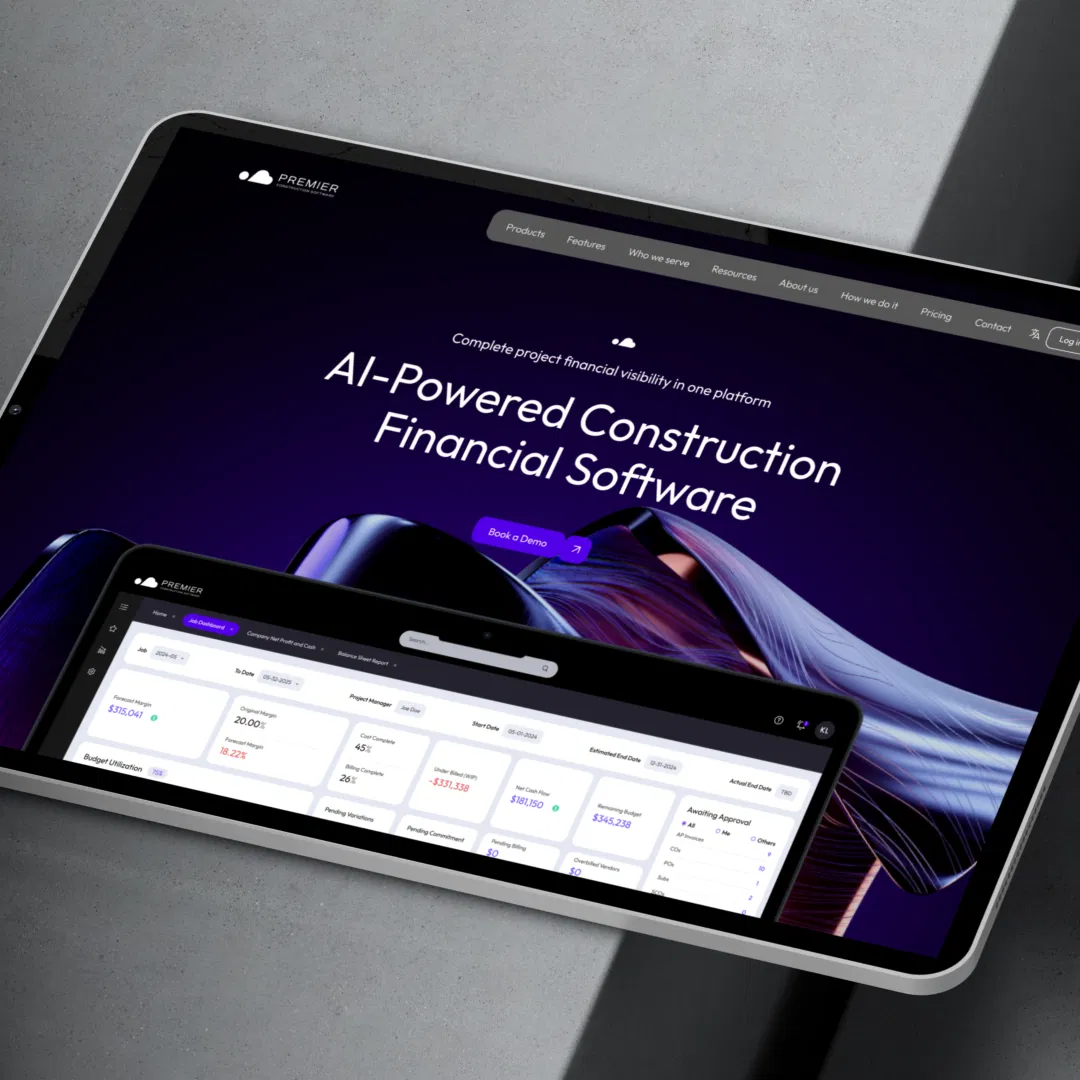
Premier Construction Software - Launching software through complete brand activation and digital ecosystem development
We transformed how Premier communicates the value of its ERP, crafting a cohesive brand, modern website, and interactive demos that turn complex features into clear benefits.
Brand Strategy
Content Strategy
Brand Identity
Premier Construction Software - Launching software through complete brand activation and digital ecosystem development
Brand Strategy
Content Strategy
3D Product Visualization
2/10
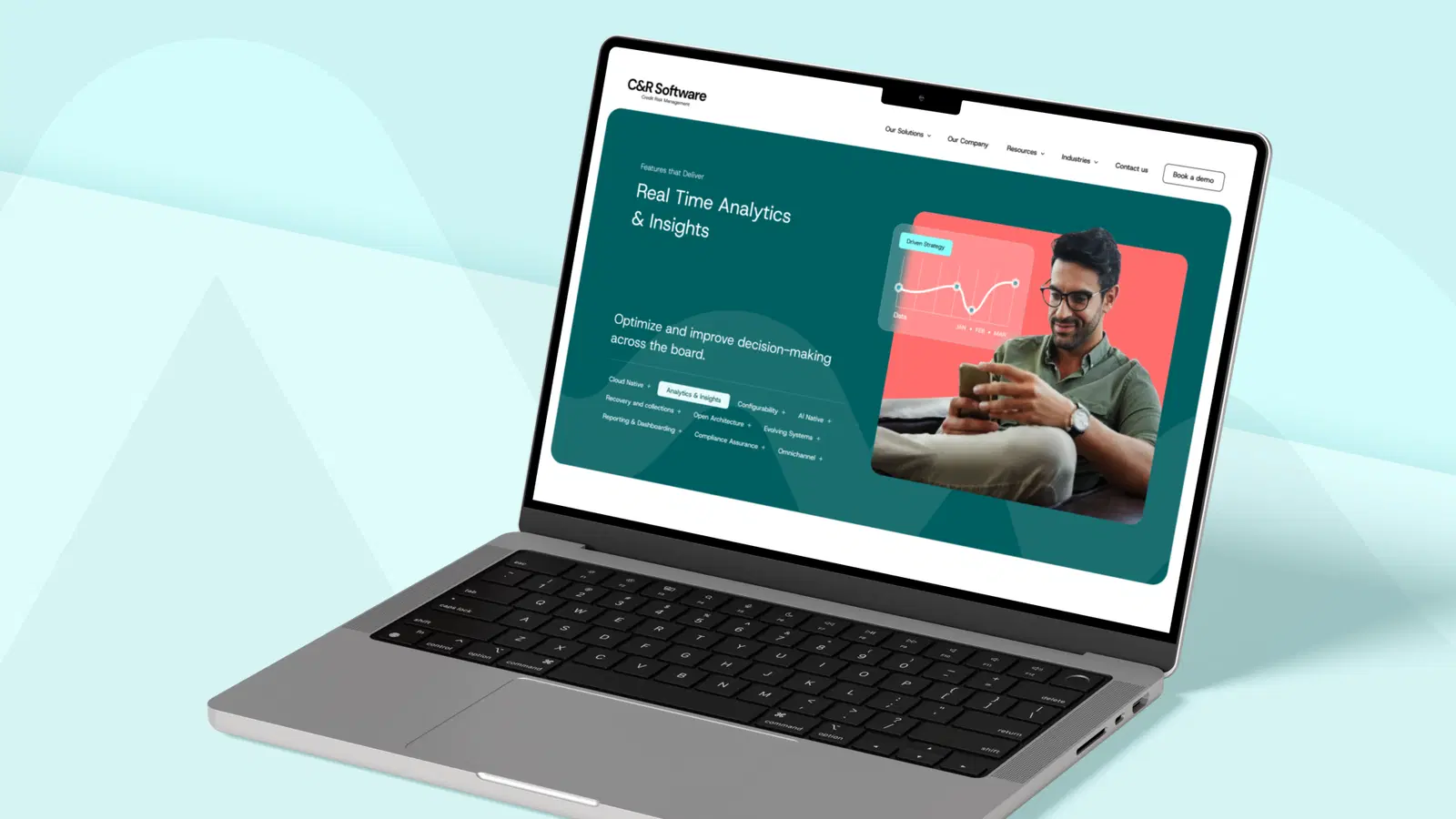
C&R Software - Repositioning C&R Software's 40 years of expertise as clear competitive advantage
We modernized C&R Software’s experience, turning complexity into clarity. We focused on better communication of their differentiators, and building a clean, modern and lovable brand.
Brand Strategy
Content Strategy
3D Product Visualization
C&R Software - Repositioning C&R Software's 40 years of expertise as clear competitive advantage
Brand Strategy
Brand Identity
Content Strategy
3/10
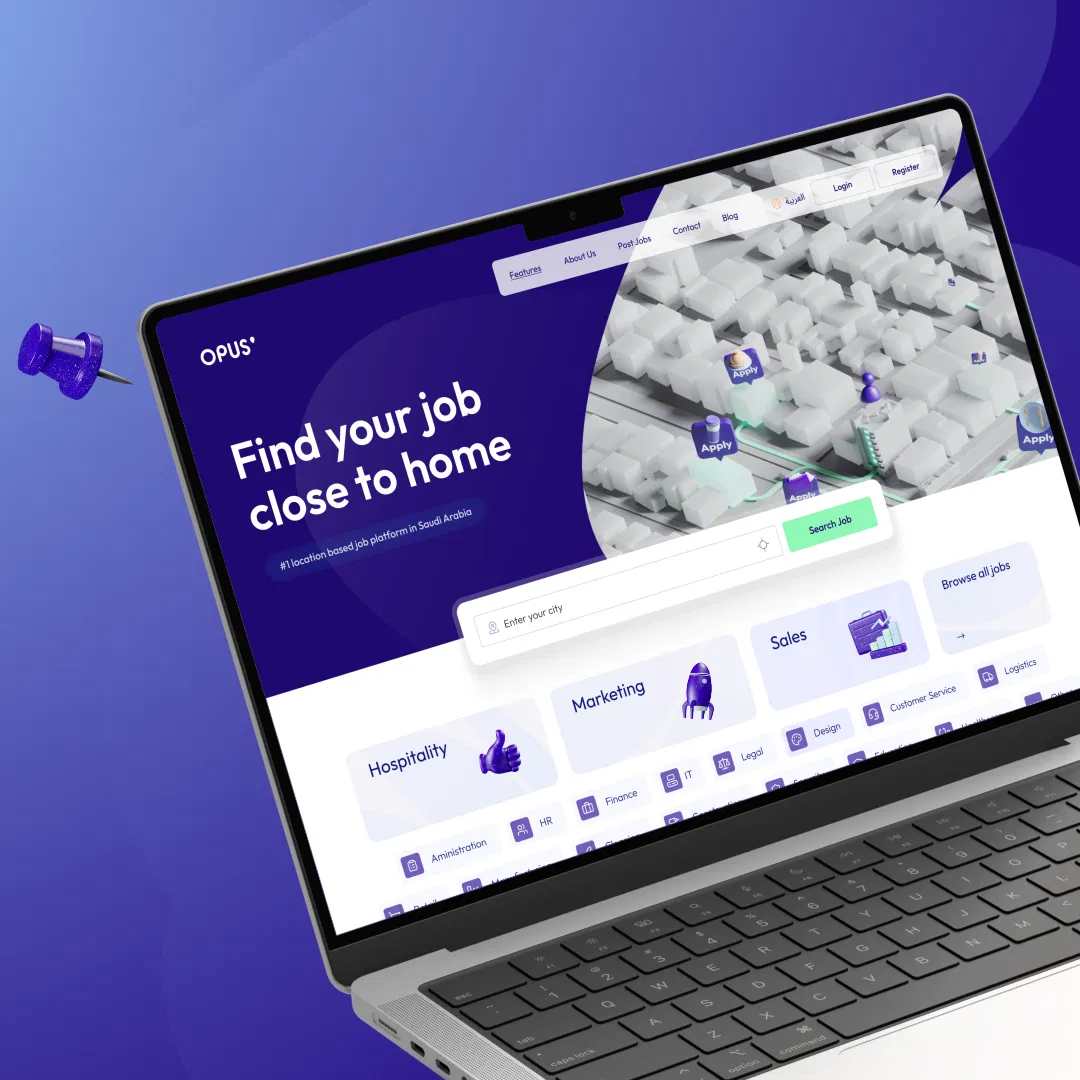
Opus - 152% valuation growth: Building AI-powered hiring platform in just 3 months
We designed, built, and launched the web and mobile app as Saudi Arabia's leading location-based job platform.
Brand Strategy
Brand Identity
Content Strategy
Opus - 152% valuation growth: Building AI-powered hiring platform in just 3 months

Brand Strategy
Architecture Visualizations
Architectural Animations
4/10
Dubai's Tiger Sky Tower - Enabling global sales for a skyscraper through photorealistic visualizations
We created cinematic visualizations that transformed Tiger Sky Tower from a Dubai luxury development into an iconic lifestyle brand, accelerating international sales.
Brand Strategy
Architecture Visualizations
Architectural Animations
Dubai's Tiger Sky Tower - Enabling global sales for a skyscraper through photorealistic visualizations

Brand Identity
3D Animations
UX Design
5/10
Premier Charity Open 2025 - Strategic digital design for a charity golf tournament launch
We designed Premier's Charity Open 2025 digital experience from brand identity to immersive 3D web animation, establishing immediate credibility for their inaugural charity golf tournament and converting industry interest into confirmed participation.
Brand Identity
3D Animations
UX Design
Premier Charity Open 2025 - Strategic digital design for a charity golf tournament launch
Full Stack Development
DevOps and Infrastructure
Artificial Intelligence
6/10
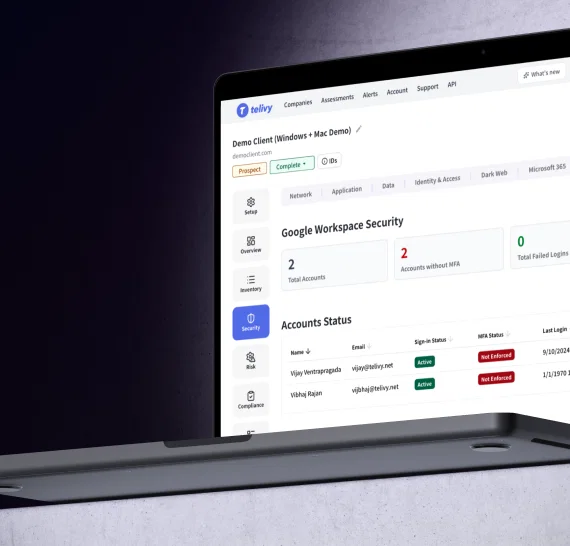
Telivy - Building AI-powered cybersecurity platform through multiple strategic pivots to successful acquisition
We acted as Telivy's initial engineering team and built their complete cybersecurity platform, supporting multiple strategic pivots that transformed a cyber insurance marketplace into a security audit platform for MSPs, ultimately preparing the company for successful acquisition.
Full Stack Development
DevOps and Infrastructure
Artificial Intelligence
Telivy - Building AI-powered cybersecurity platform through multiple strategic pivots to successful acquisition
Feasibility Sprint Package
Architectural Concept Design Sprint
Architecture Visualizations
7/10
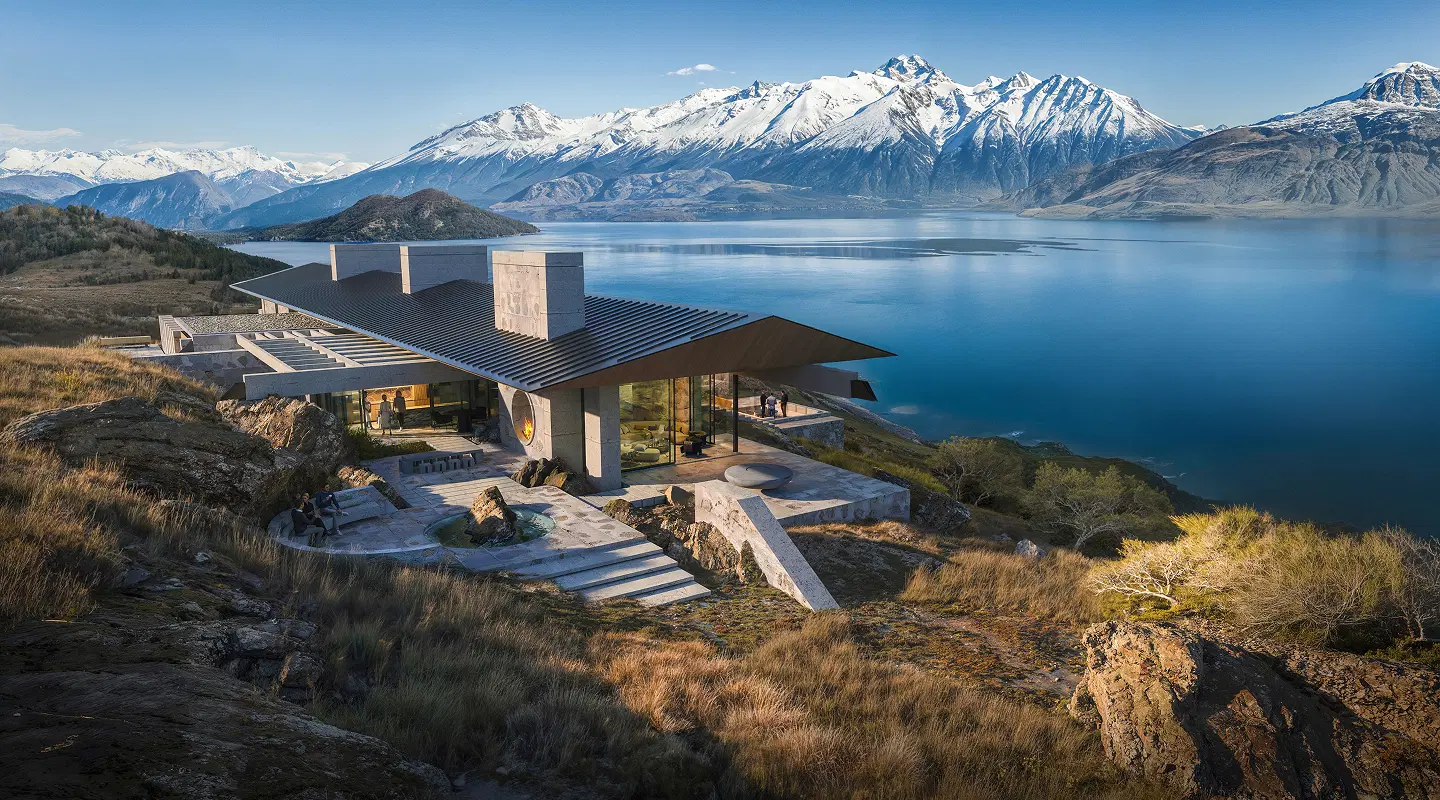
Wunya House - How we made this house land into a complete architectural vision for elite buyers
Wunya House is an architectural vision for premium Queenstown land. The design reflects the mountain profile with detailed specifications and renderings, turning land into a purchase-ready opportunity.
Feasibility Sprint Package
Architectural Concept Design Sprint
Architecture Visualizations
Wunya House - How we made this house land into a complete architectural vision for elite buyers

UX Research
UI Design
UX Design
8/10
Your Next Home - Building immersive 360° real estate platform that reduced time-to-contract by 31% and increased qualified inquiries by 49%
Our clients asked us for real estate experiences that would improve their sales. We delivered an immersive 360° platform that transforms static listings into global engagement experiences.
UX Research
UI Design
UX Design
Your Next Home - Building immersive 360° real estate platform that reduced time-to-contract by 31% and increased qualified inquiries by 49%

Architecture Visualizations
9/10
Luxury Riverside Living Comes to Brisbane's Skyline
How Digital Bunch built the full creative direction for a luxury three-tower riverside development in Brisbane, using AI-assisted sketches to align on vision before production began.
Architecture Visualizations
Luxury Riverside Living Comes to Brisbane's Skyline
Brand Strategy
UX Design
UI Design
10/10
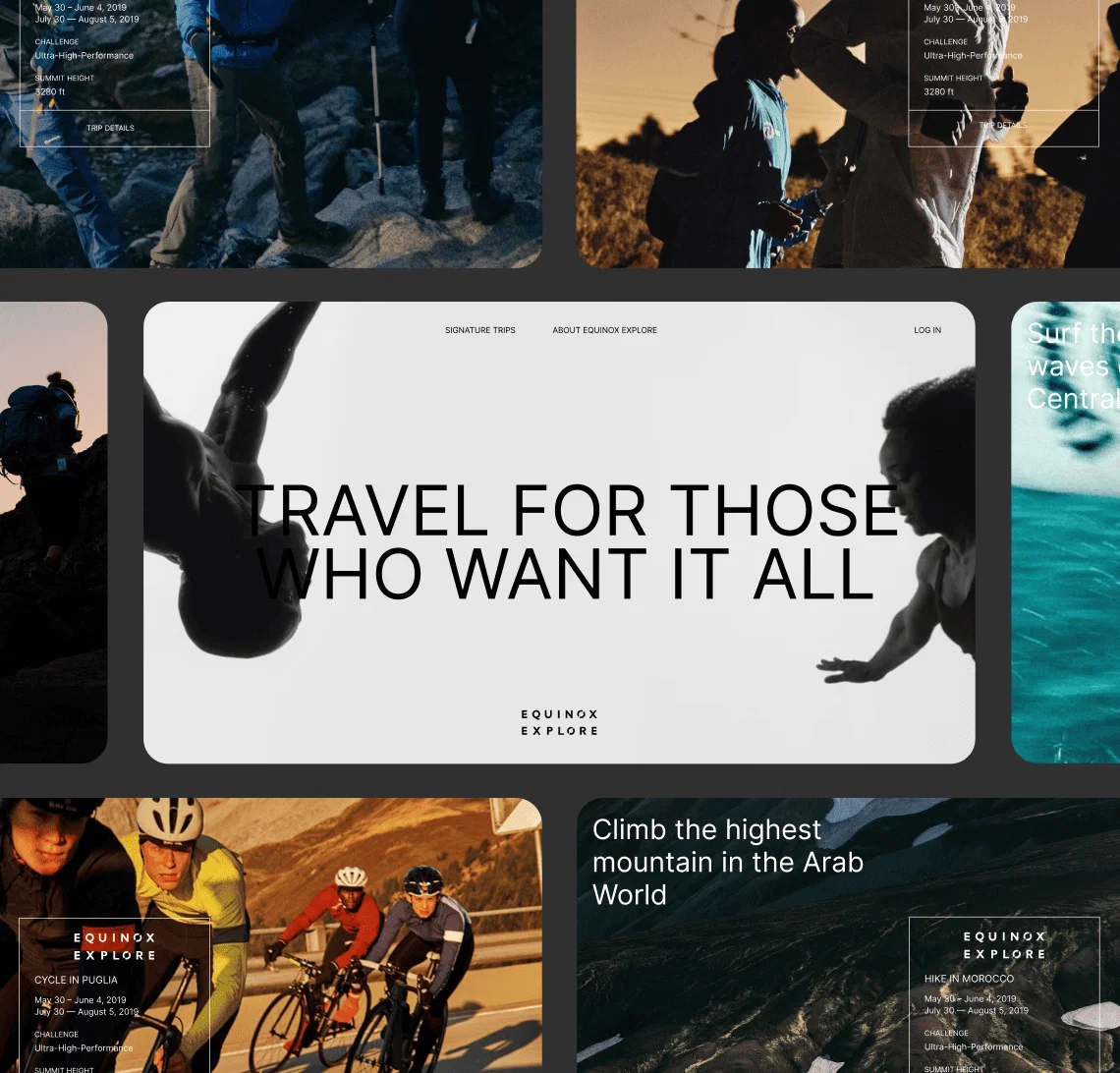
Equinox Explore - Bespoke Booking and Operations Platform for Equinox Explore
We created Equinox Explore's platform end-to-end: a luxury-editorial public site, a multi-traveller booking engine, and a full operational backend for the Travel & Retreats team, delivered together with our partners at Airnauts.
Brand Strategy
UX Design
UI Design
Equinox Explore - Bespoke Booking and Operations Platform for Equinox Explore
1/10