08 أغسطس 2023
فوائد العرض الدوراني 360 درجة للمنتجات في التسوق الإلكتروني
:الفئات
تواجه صعوبة في فهم المنتج من صور ثابتة؟ يتخلى المتسوقون عن سلة المشتريات عندما لا يستطيعون تقييم ما يشترونه بشكل كامل. العرض الدوراني 360 درجة للمنتجات يحل هذه المشكلة من خلال السماح للعملاء باستكشاف المنتجات من كل زاوية، مما يخلق ثقة تدفع للشراء وتقلل المرتجعات المكلفة.
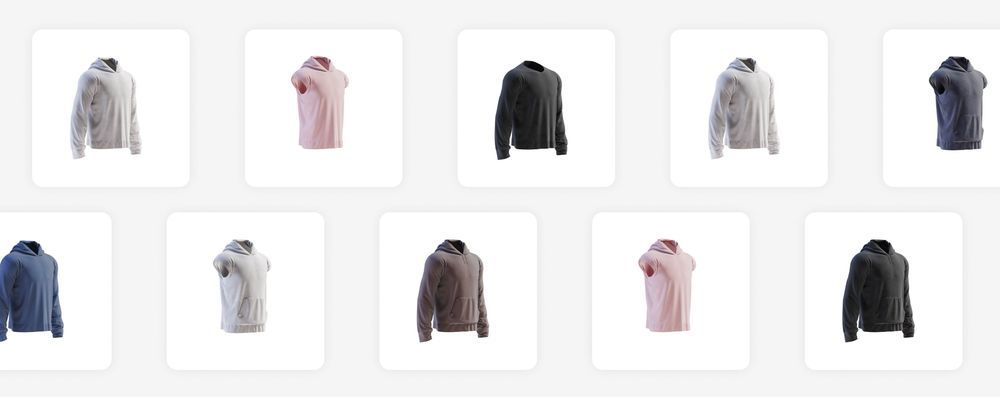
تواجه صعوبة في فهم المنتج من صور ثابتة؟ يتخلى المتسوقون عن سلة المشتريات عندما لا يستطيعون تقييم ما يشترونه بشكل كامل. العرض الدوراني 360 درجة للمنتجات يحل هذه المشكلة من خلال السماح للعملاء باستكشاف المنتجات من كل زاوية، مما يخلق ثقة تدفع للشراء وتقلل المرتجعات المكلفة.
ما هو العرض الدوراني 360 درجة للمنتجات بالضبط؟
العرض الدوراني 360 درجة للمنتجات يسمح للعملاء بالتفاعل مع التمثيل الرقمي للمنتجات من خلال تدويرها لرؤية كل زاوية. بدلاً من عرض مجموعة من الصور الثابتة التي يختارها المتجر، يتحكم المتسوقون في استكشافهم. يمكنهم التكبير على التفاصيل، وفحص الأنسجة، وفهم النسب بطرق لا يمكن للتصوير الفوتوغرافي المسطح تحقيقها.
هذا يمكن أن يكون مهماً بشكل خاص للمنتجات ذات التفاصيل المعقدة أو الميزات التي قد يكون من الصعب نقلها من خلال الصور الثابتة أو مقاطع الفيديو. التصوّر ثلاثي الأبعاد للمنتجات يمكّن العملاء من فحص المنتجات بدقة كما لو كانوا في متجر فعلي.
ما هي القطاعات التي تستفيد أكثر من العرض الدوراني 360 درجة؟
العرض الدوراني 360 درجة للمنتجات يمكن أن يفيد مجموعة واسعة من القطاعات، من الموضة والأثاث إلى التكنولوجيا وما بعدها. في قطاع الموضة، العرض الدوراني 360 درجة يساعد العملاء على تقييم المقاس والتصميم للملابس بشكل أفضل، مما يسمح لهم برؤية كيف يبدو الثوب من جميع الزوايا وكيف ينسدل على الجسم.
تجار التجزئة للأثاث يمكنهم استخدام العرض الدوراني 360 درجة لإظهار التصميم التفصيلي والنسيج للتنجيد وإعطاء العملاء إحساساً أفضل بكيفية ظهور الأثاث في مساحتهم. القدرة على فحص الوصلات وأنماط القماش والنسب تساعد العملاء على اتخاذ قرارات شراء واثقة للمنتجات الباهظة التي لا يمكن إرجاعها بسهولة.
في قطاع التكنولوجيا، العرض الدوراني 360 درجة يمكن أن يوفر للعملاء فهماً أفضل للتصميم المادي وميزات الأجهزة، مثل أجهزة اللابتوب والهواتف الذكية. يمكن للعملاء فحص موضع المنافذ وأماكن الأزرار وجودة البناء قبل الالتزام بالشراء.
كيف تنشئ العرض الدوراني 360 درجة للمنتجات؟
لإنشاء العرض الدوراني 360 درجة للمنتجات، تستخدم الشركات عادةً برامج ومعدات متخصصة لالتقاط صور متعددة للمنتج من زوايا مختلفة. يمكن القيام بذلك باستخدام الكاميرا أو تقنية الرسوم الحاسوبية.
ما هو نهج التصوير الفوتوغرافي لإنشاء العرض الدوراني 360 درجة؟
عند استخدام الكاميرا، تلتقط الشركات صوراً متعددة للمنتج من زوايا مختلفة وتدمجها معاً لإنشاء عرض دوراني 360 درجة سلس. هذه الطريقة تتطلب معدات متخصصة وخبرة ولكن يمكن أن تنتج نتائج عالية الجودة وواقعية تصور المنتج بدقة.
نهج التصوير الفوتوغرافي يعمل بشكل جيد عندما يكون لديك منتجات فعلية متاحة وتحتاج لإنشاء عروض بسرعة. ومع ذلك، يتطلب ظروف إضاءة محكومة ومعدات دوران وإنتاج لاحق دقيق لضمان الاتساق عبر جميع الزوايا.
كيف تنشئ الرسوم الحاسوبية العرض الدوراني 360 درجة؟
إنشاء العرض الدوراني 360 درجة باستخدام تقنية الرسوم الحاسوبية يتضمن إنشاء نموذج افتراضي للمنتج، والذي يمكن عرضه من أي زاوية. هذه الطريقة توفر تحكماً أكبر في مظهر المنتج، حيث يمكن للشركات تعديل الإضاءة واللون والنسيج للنموذج لإنشاء تمثيل مثالي للمنتج.
نهج الرسوم الحاسوبية يوفر مرونة لا يمكن للتصوير الفوتوغرافي مطابقتها. يمكنك إنشاء عروض للمنتجات قبل وجود عينات فعلية، وتعديل المواد والألوان فوراً، والحفاظ على اتساق مثالي عبر كتالوج المنتجات بالكامل.
لماذا يجب عليك اختيار الرسوم الحاسوبية بدلاً من التصوير الفوتوغرافي؟
الرسوم الحاسوبية توفر عدة مزايا مقنعة على التصوير الفوتوغرافي التقليدي لإنشاء العرض الدوراني 360 درجة للمنتجات. فهم هذه الفوائد يساعدك في تحديد النهج المناسب لعملك.
كيف تضمن الرسوم الحاسوبية الاتساق؟
لأن تقنية الرسوم الحاسوبية تنشئ نموذجاً افتراضياً للمنتج، فإن العرض الدوراني 360 درجة الناتج يكون دائماً متسقاً ولا يعتمد على البيئة المادية أو ظروف الإضاءة. هذا يعني أن عرض المنتج النهائي أكثر موثوقية واتساقاً.
التصوير الفوتوغرافي يعاني من مشاكل الاتساق. الإضاءة تتغير بين الجلسات. الألوان تتحول بناءً على إعدادات الكاميرا. المواد تعكس الضوء بشكل مختلف حسب الظروف. الرسوم الحاسوبية تزيل هذه المتغيرات من خلال التحكم في كل جانب من جوانب الصورة رقمياً.
ما المرونة التي توفرها الرسوم الحاسوبية؟
تقنية الرسوم الحاسوبية أكثر مرونة من حيث أنواع المنتجات التي يمكن عرضها، حيث لا تقتصر على المنتجات المادية التي يمكن تصويرها. هذا يعني أن الشركات يمكنها استخدام الرسوم الحاسوبية لعرض منتجات يصعب تصويرها، مثل الآلات المعقدة أو الأجهزة الإلكترونية، أو المنتجات التي لا وجود لها بعد في شكل مادي.
هذه المرونة تسرّع إطلاق المنتجات. يمكنك إنشاء مواد تسويقية قبل بدء التصنيع. يمكنك اختبار استجابة العملاء لخيارات ألوان مختلفة دون إنتاج عينات فعلية. يمكنك تصوّر تكوينات مخصصة يصعب تصويرها عملياً.
كيف توفر الرسوم الحاسوبية الوقت والموارد؟
الرسوم الحاسوبية توفر الوقت من خلال إلغاء الحاجة لشحن المنتجات المادية وتصويرها، مما يقلل وقت الإنتاج ويسرع إطلاق منتجات جديدة. التصوير الفوتوغرافي التقليدي يتطلب تنسيق الشحنات وحجز وقت الاستوديو والانتظار للصور المحررة.
التحرير أيضاً أسهل مع الرسوم الحاسوبية. يمكنك تغيير الخلفيات وضبط الإضاءة أو تعديل تفاصيل المنتج دون إعادة التصوير. مع التصوير الفوتوغرافي، حتى التغييرات البسيطة قد تتطلب جدولة جلسة تصوير أخرى وتكرار عملية الإنتاج بأكملها.
لماذا تعتبر الرسوم الحاسوبية أكثر استدامة؟
الرسوم الحاسوبية خيار مستدام لأنها تلغي الحاجة لإنشاء ونقل المنتجات المادية، مما يقلل البصمة الكربونية والأثر البيئي لعملية الإنتاج. عينات المنتجات غالباً ما تسافر آلاف الأميال لجلسات التصوير، مما يستهلك الموارد ويولد الانبعاثات.
للشركات الملتزمة باستراتيجية علامة تجارية تتضمن الاستدامة، الرسوم الحاسوبية تربط الأفعال بالقيم. أنت تُظهر المسؤولية البيئية مع الحفاظ على عرض منتجات عالي الجودة.
كيف تتوسع الرسوم الحاسوبية بكفاءة؟
الرسوم الحاسوبية تمكّن من إنشاء عدد كبير من عروض المنتجات بسرعة وكفاءة، مما يجعلها حلاً مثالياً للشركات التي تحتاج لإنشاء عروض منتجات متعددة بكميات كبيرة. كما تسمح بإنشاء عروض لمجموعة واسعة من أشكال المنتجات، مثل الألوان والمواد والأحجام المختلفة، دون الحاجة لإنشاء كل شكل مادياً للتصوير.
بمجرد إنشاء نموذج ثلاثي الأبعاد أساسي، يصبح إنشاء الأشكال المختلفة مباشراً. غيّر خصائص المواد لإظهار تشطيبات مختلفة. اضبط الألوان فوراً. أنشئ عروضاً لمنتجات سيكون من المكلف أو المستحيل نمذجتها مادياً.
هل يمكنك إعادة استخدام النماذج ثلاثية الأبعاد لأغراض أخرى؟
النماذج ثلاثية الأبعاد المنشأة لعروض المنتجات يمكن إعادة استخدامها لأغراض أخرى مثل إنشاء مقاطع فيديو للمنتجات، والأنميشنز ثلاثية الأبعاد، ومواد تسويقية أخرى، مما يزيد عائد الاستثمار في تقنية الرسوم الحاسوبية.
قابلية إعادة الاستخدام هذه تحوّل النماذج ثلاثية الأبعاد من أصول للاستخدام الواحد إلى أدوات متعددة الاستخدامات. النموذج نفسه الذي يدعم العرض الدوراني 360 درجة يمكن أن يظهر في مقاطع الفيديو الترويجية، وتجارب الواقع المعزز، والحلول التفاعلية عبر حضورك الرقمي.
ما هي أكبر التحديات في إنشاء العرض الدوراني 360 درجة؟
بمجرد تحديد نطاق المشروع، يمكنك العمل مع مزود خدمة رسوم حاسوبية أو تعيين فريق داخلي لديه الخبرة اللازمة لإنشاء النماذج الافتراضية. عملية إنشاء نموذج ثلاثي الأبعاد عادةً تتضمن إنشاء تمثيل رقمي للمنتج باستخدام برامج متخصصة، وإضافة تأثيرات النسيج والإضاءة لجعله يبدو واقعياً، ثم تحريك النموذج لإنشاء عرض دوراني 360 درجة.
كيف تضمن الدقة والاتساق؟
أحد أكبر التحديات عند إنشاء العرض الدوراني 360 درجة للمنتجات في شكل رسوم حاسوبية هو ضمان دقة واتساق مظهر المنتج عبر جميع الزوايا. هذا يتطلب اهتماماً دقيقاً بالتفاصيل واتساقاً في الإضاءة والمواد.
كل سطح يجب أن يعكس الضوء بشكل صحيح. كل نسيج يجب أن يحافظ على خصائصه عندما يدور العرض. كل نسبة يجب أن تطابق المنتج المادي تماماً. التناقضات الصغيرة تصبح واضحة عندما يمكن للعملاء فحص المنتجات من أي زاوية.
ما التوازن الذي يجب أن تحققه بين الواقعية والأداء؟
كما يوضح ماتيوش تيفونيك، مصمم الرسوم ثلاثية الأبعاد في The Digital Bunch: "أحد أكبر التحديات هو ضمان أن العرض النهائي جذاب بصرياً ويمثل المنتج بدقة. هذا يتضمن تحقيق توازن بين الوصول للواقعية التصويرية وضمان تحسين النموذج لعرض الويب والجوال. يمكن أن تكون عملية دقيقة، حيث أن أدنى انحراف عن المظهر الحقيقي للمنتج يمكن أن يؤثر على الفعالية الكلية للعرض الدوراني 360 درجة."
العروض عالية الدقة مع إضاءة ومواد مثالية يمكن أن تنشئ ملفات كبيرة جداً للاستخدام العملي على الويب. العملاء يتخلون عن الصفحات التي تحمّل ببطء. إيجاد النقطة المثالية بين الجودة البصرية والأداء يتطلب خبرة تقنية واختباراً.
كيف تحسّن تجربة المستخدم؟
بالإضافة لذلك، من المهم مراعاة تجربة المستخدم عند إنشاء العرض الدوراني 360 درجة، والتأكد من أن العروض بديهية وسريعة الاستجابة، وتوفر للعملاء المعلومات التي يحتاجونها لاتخاذ قرار شراء مستنير.
الواجهة يجب أن تكون واضحة دون تعليمات. عناصر التحكم باللمس يجب أن تبدو طبيعية على الأجهزة المحمولة. مؤشرات التحميل يجب أن تبقي العملاء منخرطين خلال العرض الأولي. هذه التفاصيل تفصل بين العروض الدورانية 360 درجة الوظيفية والفعالة حقاً.
ما الفوائد الرئيسية التي يوفرها العرض الدوراني 360 درجة؟
مزايا تطبيق العرض الدوراني 360 درجة تمتد عبر جوانب متعددة من أداء التجارة الإلكترونية. فهم هذه الفوائد يساعد في تبرير الاستثمار ووضع توقعات مناسبة.
كيف يزيد العرض الدوراني 360 درجة المبيعات والتحويلات؟
العرض الدوراني 360 درجة يمنح العملاء رؤية أكثر شمولاً وواقعية للمنتج، مما يمكن أن يزيد احتمالية الشراء بنسبة تصل إلى 30% وفقاً لتقرير من Threekit. هذا التحسن الكبير يأتي من تقليل عدم اليقين. عندما يمكن للعملاء فحص المنتجات بدقة، يشعرون بالثقة في اتخاذ قرارات الشراء.
معدلات تحويل أعلى تعني إيرادات أكثر من نفس الزيارات. إذا كانت منصة التجارة الإلكترونية الخاصة بك حالياً تحوّل 2% من الزوار، التحسن إلى 2.6% يمثل زيادة 30% في المبيعات دون إنفاق المزيد على الاستحواذ.
كيف يحسّن العرض الدوراني 360 درجة تفاعل العملاء؟
من خلال توفير تجربة أكثر تفاعلية وجاذبية، العرض الدوراني 360 درجة يمكن أن يساعد في إبقاء العملاء على موقعك لفترات أطول. أيضاً، العرض الدوراني 360 درجة يمكن أن يوفر للعملاء فهماً أفضل للمنتج، مما يمكن أن يؤدي لرضا متزايد عن الشراء.
التفاعل الممتد يشير لمحركات البحث بأن محتواك يوفر قيمة، مما قد يحسّن أداء تحسين محركات البحث الخاص بك. العملاء الذين يقضون وقتاً أطول مع المنتجات يطورون أيضاً علاقات أقوى معها، مما يزيد احتمالية الشراء.
كيف يقلل العرض الدوراني 360 درجة مرتجعات المنتجات؟
مع رؤية أكثر تفصيلاً ودقة للمنتج، من غير المحتمل أن يشعر العملاء بخيبة أمل أو مفاجأة بالمنتج الذي يستلمونه، مما يقلل احتمالية المرتجعات. عند دمج هذا الحل، يمكننا توقع انخفاض مقدر في مرتجعات المنتجات بنسبة 4.7%.
المرتجعات تضر بالربحية بطرق متعددة. تخسر البيع الأولي. تدفع تكلفة الإرجاع. يجب عليك فحص وإعادة تغليف وربما تخفيض سعر المنتج المرتجع. تتعامل مع استفسارات خدمة العملاء. تقليل المرتجعات حتى بنسب صغيرة يخلق وفورات كبيرة.
كيف يعزز العرض الدوراني 360 درجة تصوّر العلامة التجارية؟
العرض الدوراني 360 درجة يمكن أن يساعد الشركات على التميز عن منافسيها وعرض منتجاتها بطريقة أكثر جاذبية بصرياً، مما يمكن أن يعزز صورة العلامة التجارية ويظهر أنها محدثة وتستخدم حلولاً مبتكرة.
العملاء يلاحظون عندما تستثمر المتاجر في تجربتهم. عرض المنتجات المتطور يشير إلى أنك تهتم برضا العملاء وتبقى مواكباً للتكنولوجيا. هذا التصوّر يقوي الهوية البصرية ويبني الثقة.
ما الوفورات التي يحققها العرض الدوراني 360 درجة؟
فائدة أخرى مهمة لاستخدام العرض الدوراني 360 درجة هي الوفورات التي يمكن أن توفرها للشركات. التصوير الفوتوغرافي التقليدي للمنتجات غالباً يتطلب معدات باهظة ومساحة استوديو، مما يمكن أن يصل لتكاليف كبيرة على المدى البعيد.
مع التصوير الفوتوغرافي التقليدي للمنتجات، تحتاج الشركات أيضاً لنقل منتجاتها لاستوديو التصوير، وهي عملية يمكن أن تكون مستهلكة للوقت ومكلفة. ومع ذلك، مع العرض الدوراني 360 درجة، يمكن إلغاء الحاجة للنقل المادي حيث يمكن عرض المنتجات رقمياً. هذا يمكن أن يوفر الوقت والمال مع تقليل خطر تلف المنتجات أثناء النقل.
كيف يوفر العرض الدوراني 360 درجة رؤى عن العملاء؟
من خلال تحليل كيفية تفاعل العملاء مع العرض الدوراني 360 درجة، يمكن للشركات الحصول على رؤى قيمة حول سلوك العملاء وتفضيلاتهم، مما يمكن أن يوجه استراتيجية التسويق المستقبلية وجهود تطوير المنتجات.
التحليلات تكشف أي الزوايا يفحصها العملاء بعناية أكبر. تتعلم أي الميزات تولد أكبر اهتمام. تكتشف أي المنتجات تستفيد أكثر من العروض التفاعلية. هذه الرؤى توجه تطوير المنتجات وأولويات التصوير وتركيز التسويق.
كيف يتكامل العرض الدوراني 360 درجة مع التقنيات الناشئة؟
لزيادة المبيعات بشكل أكبر، من الجدير بالذكر أن الشركات يمكنها الجمع بين العرض الدوراني 360 درجة والتطورات التكنولوجية مثل تقنية الواقع المعزز والواقع الافتراضي. هذه التطورات توفر عروض منتجات أكثر انغماساً وتفاعلاً تسمح للعملاء بتصوّر المنتجات في مساحتهم الخاصة، وتجربة ملابس افتراضية، ورؤية كيف سيبدو الأثاث أو ديكور المنزل في غرفتهم قبل إجراء الشراء.
ما الدور الذي يلعبه الواقع المعزز؟
الواقع المعزز يمد العرض الدوراني 360 درجة للمنتجات إلى العالم المادي. يمكن للعملاء وضع أثاث افتراضي في غرفهم الفعلية، أو تجربة مكياج افتراضي على وجوههم، أو رؤية كيف تتناسب الأجهزة في مطابخهم. هذا الجمع بين التقنيات يعالج الحاجز النهائي للشراء عبر الإنترنت: عدم اليقين المكاني والسياقي.
التقنية نضجت لدرجة أن التطبيق أصبح عملياً للشركات من جميع الأحجام. الهواتف الذكية الحديثة تدعم الواقع المعزز بشكل أصلي. منصات موجودة لتبسيط النشر. الجمع بين العرض الدوراني 360 درجة والواقع المعزز ينشئ تجارب تسوق تنافس أو تتجاوز التجزئة المادية.
كيف جعلت التكنولوجيا العرض الدوراني 360 درجة أكثر سهولة؟
علاوة على ذلك، التطورات في تقنية النمذجة والمسح ثلاثي الأبعاد جعلت من الأسهل والأكثر فعالية من حيث التكلفة إنشاء عروض دورانية 360 درجة عالية الجودة، مما يمكّن الشركات من جميع الأحجام من تقديم هذه الميزة وتعزيز تجربة التسوق الإلكتروني.
الأدوات التي كانت تتطلب خبرة متخصصة توفر الآن واجهات بديهية. العرض السحابي يقلل متطلبات الأجهزة. سير العمل القائم على القوالب يسرّع الإنتاج. هذه التحسينات تجعل الوصول للتقنية التي كانت متاحة سابقاً فقط لتجار التجزئة الكبار بميزانيات كبيرة ديمقراطياً.
كيف يجب أن تبدأ مع العرض الدوراني 360 درجة؟
إذا كنت مهتماً بدمج العرض الدوراني 360 درجة في موقع التجارة الإلكترونية الخاص بك، فهم عملية التطبيق يساعد في وضع توقعات واقعية ويضمن نتائج ناجحة.
ما الذي يجب مراعاته قبل التطبيق؟
ابدأ بتحديد أي المنتجات ستستفيد أكثر من العرض الدوراني 360 درجة. المنتجات عالية القيمة والمنتجات المعقدة والمنتجات ذات معدلات إرجاع عالية مرشحون رئيسيون. لا تحتاج لتطبيق العرض الدوراني 360 درجة عبر كتالوجك بالكامل فوراً.
ضع في الاعتبار البنية التحتية التقنية الخاصة بك. هل منصة التجارة الإلكترونية الخاصة بك تدعم عروض المنتجات التفاعلية؟ هل لديك عرض نطاق لخدمة الملفات بكفاءة؟ هل ستعمل العروض بشكل جيد على الأجهزة المحمولة حيث يتسوق العديد من العملاء؟
فكر في سير عملك. هل ستنشئ النماذج ثلاثية الأبعاد داخلياً أو ستعمل مع شريك؟ كيف ستحافظ على الاتساق عند إضافة منتجات؟ كيف ستحدّث العروض عندما تتغير المنتجات؟
ما الذي يجب أن تتوقعه من شراكة احترافية؟
العمل مع استوديوهات ذات خبرة مثل The Digital Bunch يعني الوصول ليس فقط للمهارات التقنية ولكن للمعرفة المتراكمة حول ما ينجح في تصوّر التجارة الإلكترونية. فريق الخبراء من المصممين والمطورين يمكنه المساعدة في الارتقاء بتصميم وتطوير موقعك للمستوى التالي وتعزيز مبيعاتك ورضا عملائك.
العملية يجب أن تكون تعاونية وليست معاملات. يجب أن تتلقى تحديثات منتظمة وتحصل على فرص لتقديم الملاحظات خلال التطوير. المنتج النهائي يجب أن يعكس كلاً من التميز التقني والفهم العميق لمنتجاتك وعملائك.
العرض الدوراني 360 درجة عالي الجودة يتطلب كلاً من الخبرة التقنية والفهم التجاري. أفضل الشركاء يجلبون الخبرة عبر القطاعات ومعرفة أفضل ممارسات التجارة الإلكترونية والالتزام بالنتائج التي تدفع النتائج التجارية.
ما النتائج التي يمكنك توقعها؟
دمج العرض الدوراني 360 درجة في موقع التجارة الإلكترونية الخاص بك يمكن أن يكون له فوائد عديدة لعملك، بما في ذلك زيادة المبيعات ومعدلات تحويل أعلى وتكاليف مخفضة. مع أحدث التطورات في التكنولوجيا، أصبح إنشاء العرض الدوراني 360 درجة أسهل وأكثر فعالية من حيث التكلفة من أي وقت مضى.
من خلال تقديم رؤية أكثر تفصيلاً وانغماساً لمنتجاتك للعملاء، يمكنك التميز عن المنافسين وتحسين تجربة التسوق الإلكتروني الكلية. الاستثمار في تصوّر منتجات عالي الجودة يدفع عوائد من خلال تحويلات محسّنة ومرتجعات مخفضة وعلاقات أقوى مع العملاء.
Keep reading

التسويق
الأعمال
1/5
أي الاستثمارات الرقمية تحتفظ بالقيمة فعلياً خلال ضغط الميزانية: الموقع أم العلامة التجارية أم المحتوى؟
03 أكتوبر 2023
التسويق
الأعمال
أي الاستثمارات الرقمية تحتفظ بالقيمة فعلياً خلال ضغط الميزانية: الموقع أم العلامة التجارية أم المحتوى؟
03 أكتوبر 2023
الرسوم المنشأة بالحاسب (CGI)
الأعمال
2/5
فوائد الجولات الافتراضية ثلاثية الأبعاد للمعماريين والعملاء
08 أغسطس 2023
الرسوم المنشأة بالحاسب (CGI)
الأعمال
فوائد الجولات الافتراضية ثلاثية الأبعاد للمعماريين والعملاء
08 أغسطس 2023
التسويق
3/5
كيف يغير سلوك البحث الاستهلاكي استراتيجية توليد العملاء المحتملين من المواقع الإلكترونية؟
11 فبراير 2025
التسويق
كيف يغير سلوك البحث الاستهلاكي استراتيجية توليد العملاء المحتملين من المواقع الإلكترونية؟
11 فبراير 2025

التسويق
4/5
10 عوامل نجاح حاسمة يجب على كل مؤسس شركة ناشئة إتقانها لتجنب الفشل
10 ديسمبر 2024
التسويق
10 عوامل نجاح حاسمة يجب على كل مؤسس شركة ناشئة إتقانها لتجنب الفشل
10 ديسمبر 2024
التسويق
التصميم
5/5
اتجاهات تصميم تجربة وواجهة المستخدم لعام 2026: ما يستحق استثمارك (وما هو مجرد ضجة)
13 يناير 2026
التسويق
التصميم
اتجاهات تصميم تجربة وواجهة المستخدم لعام 2026: ما يستحق استثمارك (وما هو مجرد ضجة)
13 يناير 2026
1/5