09 أبريل 2025
لماذا تفشل إطلاقات العقارات بدون استراتيجية تواصل متكاملة؟
مطورو العقارات يقضون شهوراً في إتقان التصميم المعماري وتأمين التمويل وتجميع فرق المبيعات. ثم يجزئون رسائل الإطلاق عبر وكالات وقنوات منفصلة، متسائلين لماذا لا يظهر المشترون المؤهلون أبداً. المشكلة ليست نقص التسويق. إنها تسويق يعمل ضد نفسه.
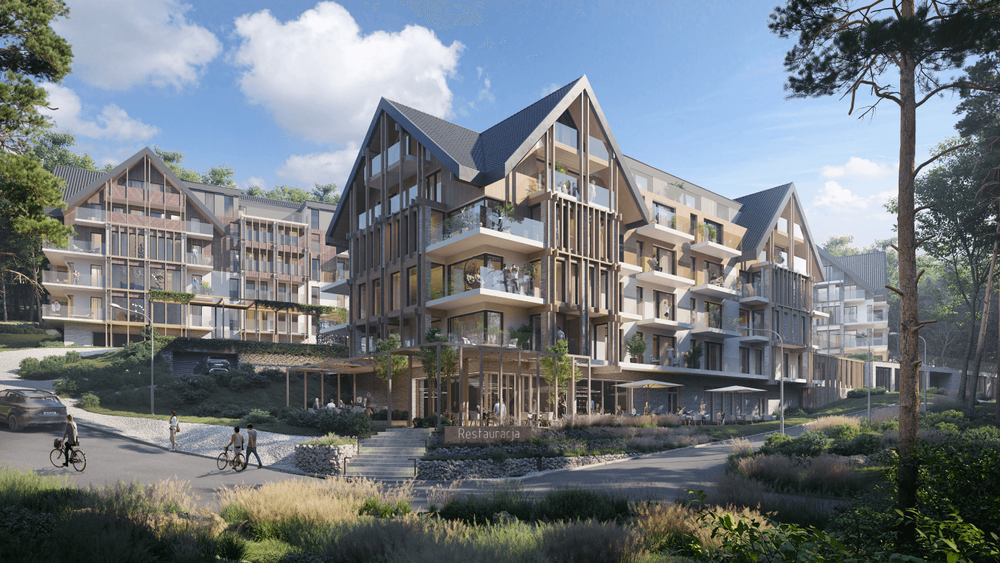
مطورو العقارات يقضون شهوراً في إتقان التصميم المعماري وتأمين التمويل وتجميع فرق المبيعات. ثم يجزئون رسائل الإطلاق عبر وكالات وقنوات منفصلة، متسائلين لماذا لا يظهر المشترون المؤهلون أبداً. المشكلة ليست نقص التسويق. إنها تسويق يعمل ضد نفسه.
لماذا يهم التواصل المتكامل أكثر لإطلاقات العقارات؟
إطلاقات العقارات تعمل في إطار زمني مضغوط بشكل غير عادي. لديك نافذة ضيقة لتأسيس موقع السوق، وتوليد اهتمام مؤهل، وتحويل ذلك الاهتمام إلى ودائع قبل أن يتوقف الزخم. التواصل المجزأ يمدد تلك النافذة إلى ما بعد النقطة التي يحافظ فيها المشترون على التفاعل.
عندما يواجه مشترٍ رسائل غير متسقة حول توفر الوحدات، أو إشارات سعر متضاربة عبر القنوات، أو تصوّرات معمارية لا تتطابق مع التجربة الموعودة في أنميشناتك، فإنهم لا يطلبون توضيحاً. إنهم ينتقلون إلى المشروع التالي.
ما الذي يجعل تسويق العقارات مختلفاً عن الحملات الأخرى؟
معظم التسويق يعمل في دورات حملات مستمرة حيث يمكنك الاختبار والتعلم والتكرار على مدى أرباع سنوية. إطلاقات العقارات لا تملك تلك الرفاهية. أنت تقدم منتجاً واحداً عالي القيمة بمخزون محدود لسوق محدد ضمن إطار زمني محدد. فوت نافذة الإطلاق وأنت لا تؤجل الإيرادات فقط. أنت تخوض معركة شاقة ضد تصور السوق بأن شيئاً ما حدث خطأ.
هذا الجدول الزمني المضغوط يضخم تكلفة عدم اتساق التواصل. عندما يقدم فريق التصوير الخاص بك التصاميم الداخلية في اتجاه جمالي واحد بينما محتوى موقعك يصف موقعاً مختلفاً لأسلوب الحياة، فأنت تخلق احتكاكاً إدراكياً يبطئ عملية اتخاذ قرار المشتري في اللحظة التي تهم فيها السرعة أكثر.
كيف يبحث المشترون فعلياً عن العقارات قبل الشراء؟
المشترون لا يختبرون تسويقك من خلال فئات قنوات منظمة. قد يرى شخص ما منشورك على Instagram أثناء تنقله، ويزور موقعك الإلكتروني في ذلك المساء، ويتلقى إعلاناً مستهدفاً في الصباح التالي، ثم يحضر موعد مبيعات في نهاية الأسبوع. إذا قدمت كل نقطة اتصال معلومات مختلفة، أو أكدت على فوائد متناقضة، أو استخدمت لغة بصرية غير متسقة، فقد طلبت منهم للتو التوفيق بين أربع روايات متنافسة حول نفس العقار.
هذا التوفيق يستغرق وقتاً وطاقة ذهنية. لعمليات شراء العقارات حيث توجد خيارات مماثلة متعددة، يختار المشترون التطويرات التي تبدو متماسكة وجديرة بالثقة.
ما الذي يسبب تجزئة التسويق في إطلاقات العقارات؟
ميكانيكيات التواصل المجزأ يمكن التنبؤ بها بشكل مدهش. المطورون عادة يتعاقدون مع متخصصين لكل مكون تسويقي: استوديو للتصوير المعماري للرندرات والأنميشنز، ووكالة رقمية للموقع الإلكتروني، ومشتري وسائط للحملات المدفوعة، ومدير منصات التواصل الاجتماعي للمحتوى، وربما شركة علاقات عامة منفصلة للعلاقات الإعلامية. كل متخصص يحسن لقناته دون آلية إجبار للتكامل.
لماذا تخلق الوكالات التي تعمل بشكل منفصل رسائل منفصلة؟
استوديو التصوير ينشئ رندرات مذهلة بناءً على الرسومات المعمارية ومواصفات المواد. لكنهم غير مطلعين على موقع أسلوب الحياة الذي يطوره فريق التسويق. مصمم الموقع الإلكتروني يتلقى ملخصاً إبداعياً يركز على تجربة المستخدم والتقاط العملاء المحتملين، لكنه لا يشارك في محادثات حول أي سمات معمارية تميز العقار. مشتري الوسائط يحصل على معايير استهداف الجمهور دون فهم كيف تتطابق خصائص العقار الفعلية مع دوافع المشتري.
النتيجة هي عمل مختص تقنياً عبر القنوات لا يتماسك أبداً في سردية موحدة. رنداراتك تعرض تصاميم داخلية بسيطة بينما محتوى موقعك الإلكتروني يؤكد على مساحة عائلية. حملاتك المدفوعة تستهدف الشباب المهنيين لكن تصويرك يعرض سيناريوهات نمط حياة المتقاعدين. توعية علاقاتك العامة تضع التطوير كابتكار تصميم مستدام بينما مواد مبيعاتك تركز على التشطيبات الفاخرة.
كل قناة تؤدي بشكل كافٍ بمعزل عن غيرها لكن مجتمعة تفشل في بناء وعي وتفضيل تراكمي. المشترون يرون اختلافات على موضوع، مما يثير الشك حول ما يشترونه فعلياً.
كيف يجب أن يدفع التصوير والأنميشن استراتيجية الإطلاق الخاصة بك؟
التصوير ليس زخرفياً. إنه الأداة الأساسية لجعل العقار غير المحقق ملموساً وبالتالي قابلاً للشراء. قبل اكتمال البناء، الرندرات والأنميشنز هي المنتج. كيف تنفذ عمل التصوير هذا يحدد أي قصة يجب على كل قناة اتصال أخرى العمل معها أو ضدها.
لماذا يحتاج التصوير إلى الحدوث قبل بدء التسويق الآخر؟
عندما يحدث التصوير بالتنسيق مع استراتيجية العلامة التجارية وعمل التموضع، فأنت تؤسس القواعد البصرية التي تحدد كيف يجب فهم العقار. خيارات الإضاءة في رنداراتك تشير إلى ما إذا كان هذا ملاذاً للانسحاب أو مساحة ديناميكية للترفيه. قرارات التصميم تتواصل لمن هذا العقار. التكوين والإطار يحددان أي سمات تُقرأ كأساسية مقابل ثانوية.
هذه القواعد البصرية يجب أن تُؤسس قبل أن تبدأ القنوات الأخرى في التنفيذ. مصمم موقعك الإلكتروني يجب أن يعمل من أصول التصوير المعتمدة التي تحدد المنطقة الجمالية. محتوى منصات التواصل الاجتماعي الخاص بك يجب أن يمتد اللغة البصرية بدلاً من اختراع واحدة موازية. إبداعك للحملة المدفوعة يجب أن يشعر بالاستمرارية مع عمل التصوير، وليس كأنه يعلن عن عقار مختلف.
ما المشاكل التي تحدث عندما لا تتطابق الأنميشنز مع سمات العقار الفعلية؟
الأنميشنز المعمارية تخلق توقعات تجريبية حول كيفية تدفق المساحات، وكيفية سلوك الضوء، وكيف يشعر العقار بالتحرك خلاله. عندما تؤكد هذه الأنميشنز على الاتساع الأفقي لكن مخططات طوابقك تكشف عن وحدات مدمجة مصممة بكفاءة، فقد أنشأت فجوة في التوقعات سيقضي فريق المبيعات أسابيع في إدارتها.
الأنميشن يؤسس الإيقاع والسجل العاطفي. جولة بطيئة تأملية تضع العقار بشكل مختلف جداً عن جولة ديناميكية مدفوعة بالقطع. هذه الاختيارات الإنتاجية يجب أن تتماشى مع كيفية تموضعك للتطوير شفهياً وكيفية استهدافك للمشترين من خلال القنوات المدفوعة.
كيف يجب أن تعمل القنوات الرقمية معاً بدلاً من بشكل منفصل؟
الوجود الرقمي النموذجي لإطلاق العقارات يتكون من قنوات موازية تصادف أنها تروج لنفس العنوان. موقع إلكتروني موجود. حسابات منصات التواصل الاجتماعي تنشر محتوى. الحملات المدفوعة تجلب الزيارات. تسلسلات البريد الإلكتروني ترعى العملاء المحتملين. لكن هذه القنوات نادراً ما تشكل نظاماً متكاملاً حيث يتم تصميم كل مكون مع معرفة ما يفعله الآخرون.
كيف يبدو التكامل الرقمي الحقيقي في الممارسة؟
التكامل يعني أكثر من مجرد الاتساق البصري. موقعك الإلكتروني يجب أن يُصمم مع معرفة أي سمات محددة ستؤكد عليها حملاتك المدفوعة، بحيث تقدم تجربة الهبوط الوعد الذي دفع النقرة. استراتيجية منصات التواصل الاجتماعي الخاصة بك يجب أن تُنسق مع تقويم بريدك الإلكتروني بحيث تبني نحو لحظات مشتركة بدلاً من التنافس على الانتباه مع نفسك.
عندما ينتقل مشترٍ من إعلان اجتماعي مدفوع إلى موقعك الإلكتروني، يجب أن يختبر استمرارية سردية. إذا أكد إعلانك على القرب من وسائل الراحة المحددة، يجب أن تتوجه صفحة الهبوط الخاصة بك حول فوائد الموقع، وليس البدء بالسمات المعمارية. إذا استهدفت حملتك العائلات الشابة، يجب أن تعكس تصوير موقعك الإلكتروني ومحتواه حالات الاستخدام العائلية، وليس محتوى نمط حياة عام.
من يحتاج إلى تنسيق القنوات الرقمية قبل الإطلاق؟
هذا التنسيق يتطلب أن يفكر شخص ما بشكل أفقي عبر القنوات منذ البداية. عندما يحدث تصميم وتطوير الموقع الإلكتروني قبل تحديد استراتيجية الحملة، ينتهي بك الأمر مع حاوية عامة لا يمكنها دعم روايات حملة محددة بشكل فعال. عندما يُخطط محتوى منصات التواصل الاجتماعي دون معرفة توقيت الحملة المدفوعة، تفوت فرصاً لتعزيز المحتوى العضوي والمدفوع لبعضهما البعض.
بنية معلومات موقعك الإلكتروني يجب أن تتوقع المسارات المختلفة التي ستأخذها جماهير الحملة المختلفة. شخص يستجيب لحملة مركزة على الموقع يحتاج إلى نقطة دخول مختلفة عن شخص مهتم بالتصميم المستدام.
ما الذي يمكن للحملات المدفوعة تحقيقه فعلياً لإطلاقات العقارات؟
الوسائط المدفوعة تخلق الرؤية وتجلب الزيارات، لكنها لا تستطيع التعويض عن عدم الاتساق الاستراتيجي في مكان آخر في نظام الاتصال الخاص بك. عندما يرى المطورون أداء حملة مخيب للآمال، فإن الاستجابة المعتادة هي زيادة الإنفاق أو تعديل الاستهداف. المشكلة الفعلية غالباً ما تكون أن الحملات تجلب زيارات مؤهلة إلى تجارب لا تتحول لأن الرسائل لا تتصل.
لماذا تفشل حملات إطلاق العقارات حتى مع الاستهداف الجيد؟
حملة جيدة البناء تفعل ثلاثة أشياء: تصل إلى المشترين الذين يتطابقون مع عرض قيمة عقارك، وتقدم عرضاً مقنعاً بما يكفي لمقاطعة مهمتهم الحالية، وتخلق استمرارية في تجربة تفي بالوعد. معظم حملات إطلاق العقارات تتعامل مع الأولين بشكل كافٍ. الثالث يفشل باستمرار.
شخص ما ينقر على إعلانك لأنه وعد بإمكانية المشي في الحي، أو ضوء طبيعي وفير، أو مساحة مرنة للمكاتب المنزلية. يصلون إلى موقع إلكتروني يقود بموقع فاخر عام ويدفن السمة التي دفعت نقرتهم. الانفصال يقوض بشكل مباشر النية التي جلبتهم إلى هناك.
كيف يجب أن تتصل استراتيجية الحملة بمحتوى الموقع الإلكتروني؟
استراتيجية الحملة يجب أن تُنسق مع استراتيجية المحتوى وتصميم الموقع، وليس تُنفذ بشكل مستقل. زوايا حملتك يجب أن تُحدد بناءً على أي سمات عقار متميزة حقاً وأي من تلك السمات يمكنك تقديم تجربة هبوط مقنعة لها. إذا لم تتمكن من بناء صفحة مقنعة حول فرضية حملة، فلا تُجر الحملة.
إعلانات الحملة يجب أن تشعر بالاستمرارية البصرية مع عمل التصوير الأساسي الخاص بك، وليس كمواد تكميلية أنشأها فريق مختلف. عندما تظهر رنداراتك البساطة المعاصرة لكن إبداعك الإعلاني يستخدم تصوير مخزون عام، فأنت تقوض الموقع المتميز الذي عملت على تأسيسه من خلال استثمار التصوير.
أين تتناسب منصات التواصل الاجتماعي في تسويق إطلاق العقارات؟
منصات التواصل الاجتماعي تحتل موقعاً محرجاً في إطلاقات العقارات. يُفهم عموماً أنها ضرورية، لكن دورها غالباً ما يظل غير واضح بخلاف نشر المحتوى والأمل في التفاعل. عندما تُعامل كقناة معزولة، تصبح منصات التواصل الاجتماعي عبئاً لإنتاج المحتوى يولد عائداً ضئيلاً. عندما تُدمج مع استراتيجية أوسع، فإنها تخدم وظائف محددة لا يمكن للقنوات الأخرى تكرارها.
ما هي منصات التواصل الاجتماعي جيدة فعلياً في تسويق العقارات؟
القيمة الأساسية لمنصات التواصل الاجتماعي لإطلاقات العقارات ليست الوصول. محتواك العضوي نادراً ما يحقق توزيعاً كبيراً دون تضخيم مدفوع. القيمة في خلق علاقة مستمرة مع الأطراف المهتمة قبل أن يكونوا جاهزين للاستفسار. عمليات شراء العقارات تتضمن فترات نظر طويلة. منصات التواصل الاجتماعي تمنحك الإذن بالبقاء حاضراً خلال تلك النظر دون طلب اجتماع.
هذا الدور في التموضع يتطلب التنسيق مع سرديتك الأوسع. محتوى منصات التواصل الاجتماعي الخاص بك يجب أن يُطور مع معرفة ما يؤكد عليه تصويرك، وما يعطيه موقعك الإلكتروني الأولوية، وما تعد به حملاتك المدفوعة. إذا كان تموضعك الأساسي يؤكد على سلامة التصميم، فقد يظهر محتوى منصات التواصل الاجتماعي الخاص بك عملية التطوير وراء الكواليس، ومقابلات المهندسين المعماريين، ومنطق اختيار المواد. محتوى يثبت الادعاء بدلاً من إعادة ذكره.
كيف تنشئ محتوى كافياً على منصات التواصل الاجتماعي دون أن تكون متكرراً؟
تحدي التنفيذ هو الاتساق دون التكرار. تحتاج إلى تردد نشر كافٍ للحفاظ على الرؤية، لكن التطويرات العقارية لا تولد أخباراً يومية. عندما يُخطط الإخراج الفني والتصوير وعمل التصوير الخاص بك مع معرفة أنه سيغذي محتوى منصات التواصل الاجتماعي، فإنك تبني الأصول الصحيحة من البداية بدلاً من محاولة إعادة استخدام ما هو موجود.
منصات التواصل الاجتماعي تعمل أيضاً كأرض اختبار للرسائل التي قد تتوسع إلى حملات مدفوعة. المنشورات العضوية لا تكلف شيئاً بخلاف الإنتاج، مما يجعلها مثالية لاختبار أي سمات عقار تولد اهتماماً حقيقياً مقابل أي منها تبدو مهمة للمطورين لكنها لا تتردد صداها مع المشترين.
كيف تحول مواقع العقارات الاهتمام إلى استفسارات مبيعات؟
موقع عقارك الإلكتروني موجود لتحويل الاهتمام إلى استفسار. كل شيء آخر (التعبير عن العلامة التجارية، وتوفير المعلومات، والعرض البصري) يدعم هدف التحويل هذا. عندما يحدث تطوير الموقع الإلكتروني منفصلاً عن استراتيجية الحملة وعمل التصوير، فإنك عادة تحصل على موقع جميل يحول بشكل سيئ لأنه لم يُصمم حول مسارات قرار المشتري الفعلية.
ما الذي يحتاج المشترون إلى رؤيته قبل الاستفسار عن عقار؟
السؤال الأساسي هو ما يحتاج شخص ما إلى رؤيته وتعلمه والشعور به للانتقال من الاهتمام العارض إلى الاستفسار المؤهل. الإجابة تعتمد على خصائص عقارك المحددة، والتموضع التنافسي، وملف المشتري المستهدف، ولهذا السبب قوالب مواقع العقارات العامة تقل باستمرار عن الأداء المخصص للاستراتيجية.
شخص يبحث عن عقار سكني فاخر يجلب توقعات مختلفة عن شخص يفكر في منازل عائلية في الضواحي أو وحدات استثمارية حضرية. مشترٍ مهتم بشكل أساسي بالموقع يريد وضوح خريطة فوري، وسياق الحي، ومعلومات التنقل. شخص يركز على التصميم يريد تصويراً عالي الدقة، وتفاصيل المواصفات، وخلفية المهندس المعماري. مستثمر يريد بيانات العائد، والمبيعات المقارنة، وتحليل السوق.
هل يجب أن تحاول مواقع العقارات خدمة كل نوع من المشترين؟
معظم مواقع العقارات تحاول خدمة جميع الجماهير بالتساوي، مما يعني عدم خدمة أي منها بشكل جيد بشكل خاص. نهج أفضل: فهم أي شرائح مشترين تمثل فرصتك الأساسية، وتصميم التجربة المثلى لتلك الشرائح، ثم استيعاب الجماهير الأخرى دون المساس بالتجربة الأساسية.
إذا كان المشترون الأساسيون لديك هم من يقلصون حجم المنازل الكبيرة في الضواحي مقابل شقق حضرية، يجب أن يتوقع موقعك مخاوفهم بشأن كفاءة المساحة والتخزين وانتقال نمط الحياة. قدم تصويراً يوضح كيف تعمل مساحة مدمجة مصممة بشكل جيد. وفر سياق المساحة المربعة الذي يوضح كيف تقارن وحداتك بغرف الضواحي النموذجية، وليس الشقق الأخرى.
كيف يجب أن تعرض المواقع الإلكترونية أصول التصوير والأنميشن؟
موقعك الإلكتروني يجب أن يُصمم لعرض أصول التصوير والأنميشن المحددة التي تنتجها، وليس إجبار تلك الأصول في قالب محدد مسبقاً. عندما تُكلف أنميشنز ثلاثية الأبعاد دون معرفة كيف ستُقدم على الموقع، غالباً ما ينتهي بك الأمر مع نسب عرض إلى ارتفاع لا تتناسب، أو إيقاع لا يتطابق مع فترات انتباه المستخدم، أو أحجام ملفات تمنع التسليم على الجوال.
ما المشاكل التقنية التي تقوض استراتيجية تسويق العقارات؟
التكامل في التواصل ليس استراتيجياً بحتاً. التنفيذ التقني يحدد ما إذا كانت النية الاستراتيجية تترجم إلى تجربة مستخدم. عندما يتعامل بائعون مختلفون مع مكونات تقنية مختلفة دون تنسيق، تحصل على أنظمة عاملة لا تعمل معاً.
لماذا تضر المواقع الإلكترونية البطيئة بأداء إطلاق العقارات؟
نقطة الفشل الأكثر شيوعاً هي الأداء. فريق التصوير الخاص بك يقدم رندرات مذهلة بدقة 4K وأنميشنز عالية الدقة. موقعك الإلكتروني يحملها جميعاً غير محسنة لأن فريق التطوير لم يُستشار بشأن مواصفات الأصول. النتيجة هي موقع بطيء يقوض الموقع المتميز الذي أنفقت المال على تأسيسه. المشترون لا يلومون جودة التصوير. إنهم يفترضون أن تطويرك سيء التنفيذ مثل موقعك الإلكتروني.
كيف تهدر مشاكل التتبع ميزانية التسويق؟
أنظمة التتبع والإسناد التي لا تتصل عبر القنوات تخلق نقاطاً عمياء. حملاتك المدفوعة تجلب زيارات، لكنك لا تستطيع تحديد أي عناصر الحملة تتحول لأن تنفيذ التحليلات لم يُنسق مع هيكل الحملة. أنت تولد استفسارات لكن لا يمكنك تتبعها إلى نقاط الاتصال الأولية لأن تكامل CRM الخاص بك تم تكوينه بعد إطلاق الحملات.
هذه عواقب يمكن التنبؤ بها للتنفيذ المجزأ حيث يحسن كل بائع مكونه دون النظر في الآثار على مستوى النظام. الوقاية تتطلب شخصاً لديه طلاقة تقنية كافية وسلطة استراتيجية لتأسيس متطلبات التكامل قبل بدء العمل.
كيف يجب أن تدعم العلاقات العامة والبريد الإلكتروني أهداف إطلاق العقارات؟
العلاقات العامة وتسويق البريد الإلكتروني عادة تُعامل كقنوات متخصصة تعمل وفقاً لمنطقها الخاص. فرق العلاقات العامة تطرح قصصاً بناءً على ما قد تغطيه وسائل الإعلام. تسويق البريد الإلكتروني يرسل تسلسلات بناءً على أفضل الممارسات لإيقاع الرعاية. كلاهما يمكن أن ينفذ بشكل جيد وفقاً للمقاييس الداخلية بينما يساهم قليلاً في استراتيجية إطلاق متماسكة.
ما نوع التغطية في العلاقات العامة التي تساعد فعلياً في بيع العقارات؟
العلاقات العامة الفعالة لإطلاقات العقارات ليست حول توليد أي تغطية. إنها حول كسب الانتباه للجوانب المحددة من تطويرك التي تدعم تموضعك واستهداف المشتري. عندما تعمل العلاقات العامة منفصلة عن الاستراتيجية، تحصل على تغطية قد تذكر عقارك لكن لا تعزز لماذا يجب أن يكون المشترون المؤهلون مهتمين.
نهج أفضل: حدد أي سمات عقار ذات قيمة إخبارية حقيقية للمنشورات التي يقرأها مشتروك، ثم طور العلاقات العامة حول تلك الزوايا. إذا كان تطويرك يدفع التصميم المستدام بطرق ذات مغزى، اسعى إلى وسائط الهندسة المعمارية والتصميم التي تغطي الابتكار. إذا كنت تحول حياً ذا أهمية تاريخية، اطرح زوايا التخطيط الحضري والاهتمام المحلي.
كيف يجب أن يتنسق توقيت العلاقات العامة مع قنوات التسويق الأخرى؟
هذه العلاقات العامة المركزة تحتاج إلى تنسيق مع قنواتك الأخرى. التغطية الإعلامية يجب أن تنكسر عندما يكون لديك مواد داعمة جاهزة. أصول التصوير التي توضح القصة، ومحتوى الموقع الإلكتروني الذي يمنح القراء مكاناً للذهاب إليه، ومحتوى منصات التواصل الاجتماعي الذي يمتد السردية. العلاقات العامة غير المنسقة قد تولد مقالاً رائعاً عندما لا يزال موقعك الإلكتروني يعرض "قريباً" أو لم ينته عمل التصوير الخاص بك.
لماذا تقل تسلسلات البريد الإلكتروني العامة عن الأداء لإطلاقات العقارات؟
بريد إطلاق العقارات الإلكتروني يميل إلى اتباع تسلسلات عامة: إعلان أولي، وإبرازات ميزات، وتحديثات توفر، ورسائل إلحاح. هذه التسلسلات تعمل كحملات قائمة بذاتها لكن تفوت فرصاً للتنسيق مع نشاط القناة الأخرى.
عندما يقوم شخص ما بتنزيل كتيب من موقعك الإلكتروني، يجب أن يدخل تسلسل بريد إلكتروني يعترف بما رآه بالفعل ويدفع نظرهم، وليس تلقي نفس التسلسل التمهيدي المرسل إلى المحتملين الباردين. عندما تؤكد حملاتك المدفوعة على سمات عقار محددة، يجب أن يعزز محتوى بريدك الإلكتروني نفس الفوائد للأشخاص الموجودين بالفعل في قاعدة بياناتك.
كيف يجب تنظيم فرق التسويق لإطلاقات العقارات؟
معظم إطلاقات العقارات تجمع الفرق من خلال سلسلة من اختيارات البائعين المستقلة. تستأجر استوديو تصوير لأنك تحب محفظتهم. تتعاقد مع وكالة رقمية لأنهم يعرضون بشكل جيد. تتعاقد مع مشتري وسائط بناءً على سجل حملتهم. كل بائع مختص، لكن لا أحد مسؤول عن ضمان تكامل عملهم.
ما البديل لتوظيف متخصصين منفصلين؟
البديل الهيكلي هو إيجاد شركاء يمكنهم العمل عبر المجالات أو تأسيس سلطة تكامل واضحة عند العمل مع متخصصين. يحتاج شخص ما إلى التفكير بشكل أفقي حول كيفية اتصال التصوير والتجربة الرقمية والحملات والمحتوى والتنفيذ التقني في نظام متماسك. هذا الدور ليس إدارة المشروع. إنه التكامل الاستراتيجي.
شريك استراتيجية رقمية يعمل عبر التصوير والتصميم والتنفيذ التقني لديه حافز طبيعي لضمان تكامل المكونات. لا يمكنهم تقديم موقع إلكتروني وظيفي دون التنسيق مع التصوير للأصول. لا يمكنهم بناء حملات فعالة دون التوافق مع تجربة الموقع. على سبيل المثال، في عملنا مع Dubai's Tiger Sky Tower، دمجنا التصوير المعماري والاستراتيجية الرقمية لإنشاء تجربة متماسكة حققت أهداف الإطلاق.
من يجب أن ينسق بائعي التسويق المتعددين؟
عند العمل مع متخصصين، مسؤولية التكامل تحتاج إلى تعيين صريح. شخص ما (سواء داخلي أو مستشار استراتيجي خارجي) يجب أن يكون لديه سلطة لتأسيس متطلبات تتجاوز حدود البائعين. إنهم يحددون اللغة البصرية التي يعمل ضمنها جميع البائعين. إنهم يؤسسون أطر رسائل تشير إليها فرق الحملة والمحتوى والعلاقات العامة. إنهم يضعون معايير تقنية لمواصفات الأصول، وتنفيذ التتبع، وتكامل النظام.
هذا الدور التنسيقي يتطلب طلاقة تقنية كافية لاكتشاف مشاكل التكامل قبل بنائها وسلطة استراتيجية كافية بحيث لا يمكن للبائعين رفض متطلبات التكامل كمصدر قلق شخص آخر.
متى يجب أن يبدأ تسويق إطلاق العقارات؟
تطويرات عقارية كثيرة تواجه جداول مضغوطة حيث يقترب البناء من الاكتمال قبل أن يتلقى التسويق انتباهاً وميزانية مناسبين. في هذه الحالات، تصبح الاستراتيجية المتكاملة أكثر أهمية لأنك لا تستطيع تحمل عدم كفاءة التنفيذ المجزأ.
متى يجب أن يبدأ التصوير وتخطيط الموقع الإلكتروني؟
ابدأ تخطيط التواصل مبكراً بما يكفي بحيث يمكن للقرارات الاستراتيجية إعلام ما يتم بناؤه. تصويرك لا يجب أن ينتظر حتى يكون البناء جارياً. يجب أن يُطور بمجرد حل التصميم المعماري بشكل كافٍ. موقعك الإلكتروني لا يجب أن يبدأ التطوير قبل شهر من الإطلاق. يجب أن يكون قيد التقدم بمجرد أن تعرف ما تبيعه ولمن. استراتيجية تحسين معدل التحويل الخاصة بك يجب أن تُؤسس قبل تصميم أول بكسل.
ما الفرص التي تُفقد عندما يبدأ التسويق متأخراً جداً؟
التخطيط المبكر يخلق فرصاً تختفي بمجرد أن تكون في وضع التنفيذ. عندما تعرف أن تموضعك يؤكد على المساحة الخارجية، يمكنك إطلاع فريق التصوير على عرض هذا الجانب بشكل بارز بدلاً من طلب منهم إعادة تصيير العمل المكتمل. عندما تفهم أي رسائل حملة ستجلب أكبر قدر من الزيارات، يمكنك هيكلة بنية موقعك لدعم تلك المسارات الدخول بدلاً من تركيب صفحات هبوط لاحقاً.
الحجة الاقتصادية واضحة: التنفيذ المجزأ يهدر المال على عمل يُعاد أو لا يتكامل. إنفاق وقت الاستراتيجية مقدماً يكلف أقل من إصلاح التنفيذ المنفصل أو قبول تكلفة الفرصة البديلة للإطلاقات التي تقل عن الأداء لأن التواصل لم يتماسك أبداً.
ما الذي يجعل تواصل إطلاق العقارات يعمل فعلياً؟
إطلاقات العقارات تنجح عندما يواجه المشترون تواصلاً متسقاً ومقنعاً يجعل عرض قيمة محدداً واضحاً عبر كل نقطة اتصال. هذا الاتساق لا يحدث عرضياً عندما جمعت متخصصين متعددين يعملون على ملخصات وجداول زمنية مختلفة.
لماذا يهم التكامل أكثر من أداء القناة الفردية؟
متطلب التكامل ليس حول التحكم لذاته. إنه حول الاعتراف بأن كل مكون اتصال يستمد الفعالية من كيفية ارتباطه بالنظام بأكمله. التصوير المذهل يعني أقل إذا لم تقدم تجربة الموقع الإلكتروني الوعد. الحملات المدفوعة المتطورة تهدر الميزانية عندما تجلب زيارات إلى صفحات هبوط عامة. العلاقات العامة الاستراتيجية تولد تغطية لا تتحول إذا لم يكن وجودك الرقمي جاهزاً لاستقبال الانتباه.
المطورون الذين ينفذون الإطلاقات بشكل أكثر فعالية يعاملون التواصل كنظام يجب تصميمه، وليس مجموعة من المهام يجب إكمالها. إنهم يؤسسون الاتجاه الاستراتيجي مبكراً بما يكفي بحيث يمكن أن يُعلم تنفيذ المكون. إنهم يضمنون أن شخصاً ما مسؤول عن التكامل عبر القنوات والبائعين.
ما الذي يفصل إطلاقات العقارات الناجحة عن الفاشلة؟
الفرق غالباً ليس الإبداع أو الميزانية. إنه ما إذا كان التواصل صُمم للعمل معاً منذ البداية، أو جُمع من أجزاء منفصلة حدث أنها روجت لنفس العنوان. المشترون يلاحظون الفرق، حتى لو لم يتمكنوا من توضيح ما يشعر بعدم التوافق. إنهم يعرفون فقط أن بعض العقارات تبدو متماسكة وجديرة بالثقة بينما تثير أخرى أسئلة تبطئ عملية اتخاذ القرار.
بالنسبة للمطورين الذين يعملون على جداول إطلاق ضيقة مع رأس مال كبير على المحك، اجعل التكامل صحيحاً وتنفيذ القناة الكافي ينجح. اجعله خاطئاً وحتى العمل الممتاز يفشل في توليد العوائد التي يجب أن يولدها.
Keep reading

تطوير البرمجيات
1/5
فرص فك حزمة الذكاء الاصطناعي: حيث تفوز البرمجيات المتخصصة
08 فبراير 2026
تطوير البرمجيات
فرص فك حزمة الذكاء الاصطناعي: حيث تفوز البرمجيات المتخصصة
08 فبراير 2026

تطوير البرمجيات
2/5
لماذا قد تقتل منافسة ChatGPT منتجك قبل الإطلاق
04 فبراير 2026
تطوير البرمجيات
لماذا قد تقتل منافسة ChatGPT منتجك قبل الإطلاق
04 فبراير 2026

تطوير البرمجيات
3/5
لماذا سيحتاج MVP المبني بالذكاء الاصطناعي لإعادة بناء وكيف تتجنب ذلك المصير
01 فبراير 2026
تطوير البرمجيات
لماذا سيحتاج MVP المبني بالذكاء الاصطناعي لإعادة بناء وكيف تتجنب ذلك المصير
01 فبراير 2026

تطوير البرمجيات
4/5
كيف يغير الذكاء الاصطناعي اقتصاديات تطوير البرمجيات؟
27 يناير 2026
تطوير البرمجيات
كيف يغير الذكاء الاصطناعي اقتصاديات تطوير البرمجيات؟
27 يناير 2026

تطوير البرمجيات
5/5
كيف يرفع الذكاء الاصطناعي معيار الجودة لتطوير البرمجيات بدلاً من خفضه؟
25 يناير 2026
تطوير البرمجيات
كيف يرفع الذكاء الاصطناعي معيار الجودة لتطوير البرمجيات بدلاً من خفضه؟
25 يناير 2026
1/5