02 ديسمبر 2025
Product Design Sprint مقابل دراسة الجدوى: أي طريقة تحقق يجب أن تختار؟
:الفئات
إذا كنت تتحقق من فكرة منتج برمجي، فقد صادفت Design Sprint. يضغط أشهر من النقاش في أسبوع واحد مركز. لكن التحقق وحده لا يخبرك بما سيكلفه البناء فعلياً، كم يستغرق التطوير، أو ما القرارات التقنية المهمة. فهم متى تحتاج للتحقق السريع مقابل التخطيط الشامل يمكن أن يوفر وقتاً ومالاً كبيرين.
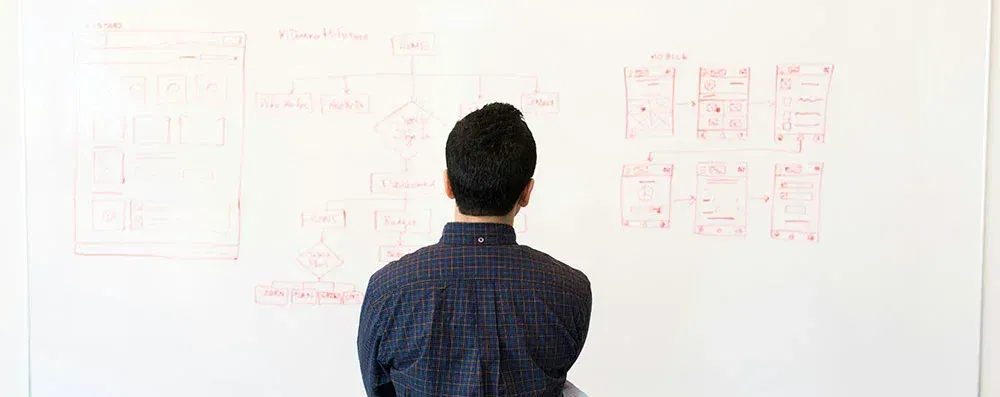
إذا كنت تتحقق من فكرة منتج برمجي، فقد صادفت Design Sprint. يضغط أشهر من النقاش في أسبوع واحد مركز. لكن التحقق وحده لا يخبرك بما سيكلفه البناء فعلياً، كم يستغرق التطوير، أو ما القرارات التقنية المهمة. فهم متى تحتاج للتحقق السريع مقابل التخطيط الشامل يمكن أن يوفر وقتاً ومالاً كبيرين.
ما الذي يجعل Design Sprints فعالة للتحقق من المنتج؟
Design Sprint أصبح واحداً من الأطر الأكثر اعتماداً على نطاق واسع للتحقق السريع من المنتج. طُور في Google Ventures وشاعه كتاب Jake Knapp، استخدمته آلاف الشركات، من الشركات الناشئة في المراحل المبكرة إلى مؤسسات Fortune 500. المنهجية تفرض قرارات قد تستمر لأسابيع، تمنع الفرق من الضياع في نقاشات مجردة، وتؤسس كل شيء على ملاحظات المستخدمين الفعلية.
كيف تعمل عملية Design Sprint؟
Design Sprint الكلاسيكي هو عملية خمسة أيام ببنية واضحة. الاثنين يخطط المشكلة ويحدد مناطق التركيز. الثلاثاء يستكشف حلولاً متنافسة من خلال الرسم. الأربعاء يبلور القرارات وينشئ لوحات قصصية. الخميس يبني نموذجاً. الجمعة يختبره مع مستخدمين حقيقيين.
هذا الجدول الزمني الضيق يخلق قيوداً طبيعية تدفع التقدم. من خلال طلب نموذج قابل للاختبار بحلول الخميس، لا يمكن للفرق النقاش بلا نهاية حول الخيارات. من خلال وضع مستخدمين حقيقيين أمام النماذج يوم الجمعة، تصبح الملاحظات فورية وقابلة للتنفيذ بدلاً من نظرية.
لماذا تعمل Design Sprints بشكل جيد جداً؟
Design Sprints تتفوق في الإجابة على سؤال محدد: هل يريد المستخدمون هذا؟ إنها قيّمة بشكل خاص عندما يكون لديك مفهوم لكن عدم يقين حقيقي حول ما إذا كان يتردد صداه مع جمهورك المستهدف. تعمل بشكل جيد للاختيار بين اتجاهات متعددة ممكنة عندما تريد مدخلات المستخدمين لتوجيه القرار.
الشكل متاح لأنه يتناسب مع أسبوع واحد، مما يتيح لأصحاب المصلحة المشغولين الذين لا يمكنهم الالتزام بمشاركات أطول المشاركة. لأنه ينتج نموذجاً ملموساً، حتى أعضاء الفريق المتشككون يرون نتائج ملموسة بسرعة. استخدمته Google Ventures لمساعدة شركات المحفظة على التحقق من كل شيء من مفاهيم المنتجات الجديدة إلى استراتيجيات التسويق. شركات مثل Slack استخدمت sprints لاتخاذ قرارات استراتيجية كبيرة.
ما الأسئلة التي تتركها Design Sprints دون إجابة؟
حيث تقصر Design Sprints هو في كل شيء يأتي بعد التحقق. معرفة أن المستخدمين يستجيبون بشكل إيجابي لمفهوم قيّمة، لكنه فقط السؤال الأول الذي يحتاج المؤسسون للإجابة عليه. تحتاج أيضاً لمعرفة: هل يمكن بناء هذا فعلياً؟ ما التكنولوجيا التي يجب أن تستخدمها؟ كيف ستتفاعل الميزات المختلفة؟ كم سيكلف؟ كم سيستغرق التطوير؟ ما المخاطر التقنية؟
لماذا لا توفر خمسة أيام عمقاً تقنياً كافياً؟
Sprint الخمسة أيام ليس لديه وقت لمعالجة هذه الأسئلة بشكل صحيح. النموذج المبني يوم الخميس هو واجهة مصممة لمحاكاة تجربة المستخدم. ليس لديه واجهة خلفية حقيقية، لا وظيفة فعلية، لا معمارية تقنية. لا يخبرك بشيء عن تعقيد التنفيذ، متطلبات البنية التحتية، أو الجدول الزمني للتطوير.
هذا ليس نقداً لمنهجية Design Sprint. لم تُصمم أبداً للإجابة على هذه الأسئلة. صُممت للتحقق من المفاهيم بسرعة، وتقوم بذلك بشكل جيد. لكن المؤسسين أحياناً يسيئون فهم ما يحصلون عليه ويفترضون أن sprint مكتمل يعني أنهم مستعدون لبدء التطوير.
ما المشاكل التي تنشأ من تخطي التخطيط الشامل؟
رأينا ما يحدث عندما تنتقل الفرق مباشرة من Design Sprint إى تطوير البرمجيات دون عمل تخطيط إضافي. النموذج أظهر للمستخدمين تجربة مصقولة، لكن لا أحد خطط كيف ستعمل جميع الميزات معاً فعلياً. Sprint تحقق من المفهوم الأساسي لكنه لم يستكشف الحالات الحدية والسيرات الثانوية التي تشكل الجزء الأكبر من تطبيق حقيقي.
الفريق متحمس ومستعد للبناء، لكنهم يكتشفون تعقيداً لم يتوقعوه، ميزات تتفاعل بطرق إشكالية، ومتطلبات تقنية تمدد الجدول الزمني بعيداً عن التوقعات الأولية. Sprint أجاب على السؤال الذي صُمم للإجابة عليه، لكنه ترك أسئلة حرجة دون معالجة.
كيف تختلف دراسة جدوى المنتج عن Design Sprint؟
دراسة جدوى المنتج تأخذ منهجية Design Sprint المركزة على التحقق وتمددها إلى تخطيط شامل. بينما قد ينتهي sprint بنموذج محقق وبعض ملاحظات المستخدمين، دراسة الجدوى تنتهي بكل ما تحتاجه لبناء المنتج فعلياً. الدراسة عادة تمتد من أسبوعين إلى ثلاثة أسابيع بدلاً من خمسة أيام، مما يتيح عملاً أعمق عبر كل بُعد.
ماذا تتضمن دراسة الجدوى؟
الجدول الزمني الممتد يتيح أبحاث تجربة المستخدم أكثر شمولاً، تحليلاً تقنياً أكثر تفصيلاً، ووثائق أكثر شمولاً. تتلقى إطارات سلكية كاملة تخطط كل شاشة وسير عمل مستخدم في تطبيقك، وليس فقط الرحلة الأساسية المنمذجة أثناء sprint. تتلقى اتجاهاً بصرياً يحدد مظهر وشعور المنتج. تتلقى قصص مستخدمين تصف الوظائف بلغة بسيطة، تخلق مفردات مشتركة بين أصحاب المصلحة في الأعمال وفرق التطوير.
ما المخرجات التقنية التي تأتي من دراسة الجدوى؟
على الجانب التقني، تتلقى توصيات معمارية تغطي مجموعة التكنولوجيا، متطلبات البنية التحتية، التكاملات مع أطراف ثالثة، واعتبارات الأمان. هذه التوصيات مبنية على تحليل متطلباتك المحددة، وليس أفضل الممارسات العامة.
والأهم للعديد من المؤسسين، تتلقى تقسيماً مفصلاً للمشروع: كل مهمة تحتاج للحدوث، كم تستغرق كل منها، ما الاعتماديات الموجودة بينها، وما التكلفة الإجمالية. هذه أرقام محددة بناءً على عمل تخطيط مفصل، وليست تقديرات تقريبية بنطاقات واسعة.
كيف تعدك دراسة الجدوى للتطوير؟
عندما تكتمل دراسة جدوى المنتج، لديك كل ما تحتاجه لبدء التطوير بثقة. تعرف ما تبنيه، كيف تبنيه، كم سيكلف، وكم سيستغرق. يمكنك أخذ هذه الوثائق للمستثمرين، لمجلس إدارتك، أو لأي فريق تطوير وإجراء محادثات مستنيرة مبنية على تفاصيل بدلاً من تكهنات.
لماذا يهم التعاون متعدد التخصصات؟
أحد الفروق الأساسية بين sprint سريع ودراسة جدوى شاملة هو عمق التعاون بين التخصصات المختلفة. في Design Sprint، التركيز بالضرورة على السرعة، مما يترك وقتاً محدوداً للمطورين لتحليل التأثيرات التقنية بعمق أو للاستراتيجيين لاختبار ضغط الافتراضات التجارية بشكل شامل. دراسة جدوى المنتج تجمع الاستراتيجيين، مصممي UX، ومطوري full-stack من البداية وتبقيهم يتعاونون طوال العملية.
كيف يختلف التعاون بين sprints ودراسات الجدوى؟
عندما يقترح مصمم سير عمل مستخدم معين، يمكن للمطور تقييم تأثيراته التقنية فوراً. عندما يحدد استراتيجي متطلب عمل أساسي، يمكن للفريق تقييم كيف يؤثر على تجربة المستخدم والمعمارية التقنية. عندما يوصي معماري تقني بمنهجية محددة، يمكن للمصممين والاستراتيجيين النظر في تأثيرها على سهولة الاستخدام والجدوى التجارية.
ما المشاكل التي يمنعها التعاون المبكر؟
هذا التعاون متعدد التخصصات يكتشف انفصالات كانت ستظهر خلاف ذلك أثناء التطوير. الميزة التي تبدو مباشرة من منظور التصميم قد يكون لها تعقيد تقني مخفي. القرار المعماري الذي يبدو منطقياً من وجهة نظر هندسية قد يخلق مشاكل تجربة مستخدم. متطلب العمل الذي يبدو أساسياً قد يكون غير عملي للتنفيذ ضمن الميزانية.
كشف هذه المشاكل أثناء التخطيط لا يكلف شيئاً تقريباً. كشفها في منتصف التطوير يكلف وقتاً ومالاً كبيرين. الجدول الزمني الممتد لدراسة الجدوى يخلق مساحة للتعاون الشامل الذي يمنع مفاجآت باهظة لاحقاً.
متى يجب أن تختار Design Sprint؟
بالرغم من حدوده، هناك مواقف يكون فيها Design Sprint التقليدي هو الخيار الصحيح تماماً. إذا كان لديك مفهوم لكن عدم يقين حقيقي حول ما إذا كان أي أحد يريده، يمكن لـ sprint أن يوفر تحققاً سريعاً قبل أن تستثمر في تخطيط شامل. لا فائدة من قضاء ثلاثة أسابيع على مواصفات مفصلة لمنتج لا يريده المستخدمون فعلياً.
ما المواقف التي تفضل منهجية Design Sprint؟
إذا كنت تختار بين اتجاهات متعددة ممكنة وتحتاج لمدخلات المستخدمين لتوجيه القرار، sprint يوفر طريقة منظمة لنمذجة واختبار منهجيات مختلفة. الجدول الزمني المضغوط يجبرك على اتخاذ قرارات بدلاً من النقاش بلا نهاية حول الخيارات.
إذا كنت بحاجة لبناء توافق داخل مؤسسة كبيرة، sprint يجمع أصحاب المصلحة ويمنح الجميع تجربة مشتركة. الطبيعة التعاونية للعملية وفورية ملاحظات المستخدمين يمكن أن تخترق الجمود التنظيمي بطرق لا يمكن للوثائق والعروض التقديمية تحقيقها.
متى يكون التحقق السريع منطقياً من الناحية التجارية؟
إذا كانت ميزانيتك مقيدة بشدة ولا يمكنك تحمل تخطيط شامل، sprint يمنحك تحققاً معنوياً باستثمار أصغر. من الأفضل التحقق بـ sprint من تخطي التحقق كلياً والأمل في الأفضل.
إذا كنت قد قمت بالفعل ببحث وتخطيط واسعين لكن تريد اختبار ميزة أو اتجاه محدد قبل الالتزام، sprint يوفر طريقة مركزة للحصول على ملاحظات المستخدمين دون تكرار العمل الذي قمت به بالفعل. في هذه المواقف، Design Sprint يقدم قيمة ممتازة بالقيام بما صُمم للقيام به: التحقق السريع من خلال النمذجة واختبار المستخدمين.
متى يجب أن تختار دراسة جدوى المنتج؟
للمؤسسين المستعدين للانتقال من التحقق إلى التطوير الفعلي، دراسة جدوى المنتج عادة هي الخيار الأفضل. إذا كانت لديك بالفعل ثقة في مفهومك، سواء من خلال عمل تحقق سابق، أبحاث السوق، أو محادثات مباشرة مع العملاء، قد لا تحتاج لجولة أخرى من اختبار المفهوم الأساسي. ما تحتاجه هو تخطيط مفصل يعدك للتطوير.
ما الإشارات التي تدل على أنك تحتاج لتخطيط شامل؟
إذا كنت تستعد لجمع التمويل، المستثمرون سيطرحون أسئلة مفصلة حول الجدول الزمني، التكلفة، والمنهجية التقنية. الإجابات المبهمة تقوض الثقة. الوثائق من دراسة الجدوى تمنحك أرقاماً محددة وتحليلاً مدروساً للاستناد إليه.
إذا كنت تخطط لإنفاق مبلغ كبير على تطوير تطبيقات الويب والجوال، الاستثمار في التخطيط المناسب يدفع تكلفته عدة مرات. المشاريع بدون تخطيط مقدم كافٍ تعاني بشكل روتيني من تجاوزات ميزانية بنسبة خمسين بالمئة أو أكثر.
كيف يمنع التخطيط مشاكل التطوير المكلفة؟
إذا كان منتجك لديه تعقيد تقني كبير، سواء بسبب التكاملات، المتطلبات التنظيمية، اعتبارات التوسع، أو وظائف جديدة، تحتاج لتحليل تقني يتجاوز ما يمكن لـ sprint خمسة أيام توفيره. القرارات المعمارية المتخذة مبكراً في مشروع لها تأثيرات تدوم لسنوات.
إذا كنت مؤسساً غير تقني تعمل مع فريق تطوير، دراسة الجدوى تمنحك وثائق يمكنك فهمها واستخدامها فعلياً. لا يجب أن تأخذ كلمة الفريق عندما يشرحون ما يبنونه ولماذا. لديك مواصفات مفصلة يمكنك مراجعتها، السؤال عنها، ومشاركتها مع المستشارين.
هل يمكنك الجمع بين كلا المنهجيتين؟
بعض المؤسسين يسألون ما إذا كان يجب عليهم القيام بـ Design Sprint أولاً ثم دراسة جدوى المنتج. الإجابة تعتمد على حالتك المحددة. إذا كان لديك عدم يقين حقيقي حول ما إذا كان مفهومك سيتردد صداه مع المستخدمين، البدء بـ sprint منطقي. تحقق أولاً، ثم خطط بالتفاصيل. لا فائدة من إنشاء مواصفات شاملة لمنتج يفشل في السؤال الأساسي حول ما إذا كان أي أحد يريده.
هل يجب أن تجري sprint قبل دراسة الجدوى؟
لكن إذا كانت لديك بالفعل ثقة معقولة في مفهومك، إجراء sprint أولاً قد يؤخر ببساطة عمل التخطيط الذي تحتاج للقيام به. دراسة الجدوى تتضمن أبحاث المستخدمين والتحقق كجزء من عمليتها. لا تحتاج بالضرورة لـ sprint منفصل مسبقاً.
كيف يمكن لعمل sprint السابق أن يوجه تخطيط الجدوى؟
هناك أيضاً مسار وسط. بعض العملاء يأتون إلينا بعد إكمال Design Sprint في مكان آخر ويريدون البناء على ذلك الأساس. Sprint منحهم مفاهيم محققة وملاحظات مستخدمين أولية. دراسة الجدوى تأخذ تلك المدخلات وتمددها إلى تخطيط شامل. العمل السابق ليس مهدراً؛ يوجه ويسرع عملية الجدوى.
المفتاح هو فهم ما الأسئلة التي تحتاج للإجابة عليها واختيار المنهجية التي تجيب عليها. إذا كان سؤالك الأساسي هو "هل يريد المستخدمون هذا؟"، sprint يعالج ذلك مباشرة. إذا كانت أسئلتك الأساسية هي "كم سيكلف، كم سيستغرق، وما المنهجية التقنية التي يجب أن نستخدمها؟"، دراسة الجدوى هي الأداة الأفضل.
ما المخرجات المحددة التي تنتجها كل منهجية؟
ربما الطريقة الأوضح لفهم التمييز هي النظر إلى ما تنتجه كل منهجية. Design Sprint عادة يقدم نموذجاً مركزاً على رحلة المستخدم الأساسية، نتائج اختبار المستخدمين وملاحظاتهم، توافقاً بين أعضاء الفريق حول الاتجاه، وثقة حول ما إذا كان المفهوم يتردد صداه. دراسة جدوى المنتج تنتج مخرجات أكثر شمولاً بكثير.
ماذا تحصل من Design Sprint؟
Sprint يمنحك التحقق. يؤكد ما إذا كان المستخدمون يستجيبون بشكل إيجابي لمفهومك ويوفر اتجاهاً للخطوات التالية. النموذج يظهر التجربة الأساسية، وجلسات اختبار المستخدمين تكشف كيف يتفاعل الناس الحقيقيون مع فكرتك. هذه معلومات قيّمة، لكنها مركزة بشكل خاص على التحقق بدلاً من تخطيط التنفيذ.
ماذا تحصل من دراسة جدوى المنتج؟
دراسة جدوى المنتج تنتج إطارات سلكية كاملة تغطي جميع الشاشات والسيرات، اتجاهاً بصرياً لمظهر وشعور المنتج، قصص مستخدمين تصف جميع الوظائف، توصيات معمارية تقنية، مواصفات البنية التحتية والتكامل، تحليل الأمان عند الصلة، تقسيماً مفصلاً للمهام للمشروع بأكمله، توقعات جدول زمني واقعية، وتقديرات تكلفة دقيقة.
دراسة الجدوى تمنحك مخططاً. كلاهما قيّم، لكنهما يخدمان أغراضاً مختلفة ويقدمان نتائج مختلفة. الاختيار بينهما ليس حول أيهما أفضل بشكل مجرد. إنه حول أيهما يجيب على الأسئلة التي تحتاج فعلياً للإجابة عليها في مرحلتك الحالية.
لماذا تستثمر في التخطيط الشامل قبل التطوير؟
بعض المؤسسين يترددون في فكرة قضاء أسبوعين إلى ثلاثة أسابيع على التخطيط قبل بدء التطوير. يبدو كتأخير. يبدو كعبء إضافي. الرغبة في بدء البناء قوية، خاصة عندما تكون متحمساً لفكرتك وقلقاً لرؤيتها تتشكل. لكن فكر في ما يحدث عندما يبدأ التطوير دون تخطيط كافٍ.
ما المخاطر التي تأتي من بدء التطوير دون تخطيط؟
يبدأ الفريق العمل بناءً على مواصفات غير كاملة. يضعون افتراضات حيث المتطلبات غير واضحة. بعض تلك الافتراضات تتضح أنها خاطئة. يتم بناء ميزات لا تطابق رؤيتك. ميزات أخرى تكشف تعقيداً لم يتوقعه أحد. الجدول الزمني يمتد. الميزانية تنمو. الإحباط يتراكم.
رأينا مشاريع تصل في منتصف التطوير، متجاوزة الميزانية بشكل كبير بالفعل، مع قواعد كود تتطلب إعادة عمل كبيرة لأن القرارات الأساسية اتخذت دون تحليل مناسب. في كل حالة، تكلفة معالجة هذه المشاكل تجاوزت ما كان التخطيط المناسب سيكلفه مقدماً.
كيف يوفر التخطيط الوقت والمال؟
شكل Design Sprint الخمسة أيام جذاب لأنه يبدو سريعاً. ولأغراض التحقق، تلك السرعة قيّمة حقاً. لكن إذا كان هدفك هو بناء منتج فعلياً، إيجاز sprint يصبح قيداً بدلاً من ميزة.
الأسئلة التي تبقى دون إجابة بعد خمسة أيام ستحتاج للإجابة عليها. السؤال الوحيد هو ما إذا كنت تجيب عليها من خلال تخطيط متعمد أو من خلال تجربة وخطأ باهظين أثناء التطوير. فهم الدين التقني مبكراً والتخطيط حوله يمنع المشاكل المتفاقمة لاحقاً. خيارات المعمارية التي تتخذها في البداية تؤثر على قابلية الصيانة، التوسع، وسرعة التطوير لسنوات.
كيف تحدد أي منهجية تطابق احتياجاتك الحالية؟
إذا كنت تحاول الاختيار بين Design Sprint ودراسة جدوى المنتج، اسأل نفسك عدة أسئلة. ما عدم اليقين الأساسي لديك الآن؟ إذا كنت غير متأكد ما إذا كان أي أحد يريد ما تفكر في بنائه، ابدأ بالتحقق. إذا كنت واثقاً من المفهوم لكن غير متأكد من تفاصيل التنفيذ، انتقل للتخطيط.
ما الأسئلة التي تساعد على توضيح قرارك؟
ما القرارات التي تحتاج لاتخاذها في المدى القريب؟ إذا كنت بحاجة للاختيار بين اتجاهات منتج مختلفة، sprint يمكن أن يساعدك على اختبار الخيارات بسرعة. إذا كنت بحاجة لجمع التمويل، إنشاء ميزانية، أو اختيار شريك تطوير، تحتاج للمخرجات المفصلة لدراسة الجدوى.
ما جدولك الزمني وميزانيتك لمرحلة التخطيط؟ إذا كان بإمكانك الاستثمار فقط في أسبوع، sprint يمنحك مخرجاً معنوياً في ذلك الوقت. إذا كان بإمكانك الاستثمار في بضعة أسابيع، دراسة الجدوى تمنحك استعداداً أكثر شمولاً بشكل كبير.
كيف يؤثر الجدول الزمني والميزانية على خيارك؟
ماذا ستفعل بالمخرجات؟ إذا كنت تريد تحققاً لتوجيه الاستكشاف الإضافي، sprint يقدم ذلك. إذا كنت تريد وثائق يمكنك تسليمها لفريق تطوير وتقول "ابن هذا"، تحتاج لدراسة جدوى.
لا توجد إجابة صحيحة عالمياً. الخيار الصحيح يعتمد على حالتك، أسئلتك، وأهدافك. كلا المنهجيتين موجودتان لأن كلتيهما تخدمان احتياجات حقيقية. فهم أي الأسئلة تحتاج للإجابة عليها يساعدك على اختيار المنهجية التي تخدم مرحلتك الحالية بأكثر فعالية.
ما الذي يجب أن تأخذه بعين الاعتبار عند الانتقال من المفهوم للواقع؟
منهجية Design Sprint ساعدت آلاف الفرق على التحقق من الأفكار بسرعة. مساهمتها في ممارسة تطوير المنتجات كبيرة ومستحقة. للوضع المناسب، تبقى خياراً ممتازاً. لكن للمؤسسين المستعدين للانتقال من المفهوم للواقع، التحقق وحده ليس كافياً.
لماذا التحقق وحده لا يعدك للتطوير؟
تحتاج لمعرفة ما تبنيه، كيف تبنيه، كم سيكلف، وكم سيستغرق. تحتاج لوثائق مفصلة بما يكفي لتوجيه التطوير، إطلاع المستثمرين، ومحاسبة فريقك. تحتاج للعمق الذي يأتي فقط من تخطيط شامل متعدد التخصصات.
كيف يقلل التخطيط الشامل مخاطر التطوير؟
هذا ما توفره دراسة جدوى المنتج. تأخذ روح Design Sprint المركزة على التحقق وتمددها إلى كل شيء آخر تحتاجه للبناء بثقة. الدراسة تعالج تحسين معدل التحويل من البداية، مضمنة أن منتجك ليس فقط قابلاً للاستخدام بل فعالاً في تحقيق نتائج العمل.
مرحلة التخطيط تكشف أيضاً متطلبات التكامل مبكراً. سواء كنت تحتاج حلول CRM مخصصة، قدرات التجارة الإلكترونية، أو ميزات الذكاء الاصطناعي، فهم هذه الاحتياجات أثناء التخطيط يمنع تحولات مكلفة في منتصف التطوير.
ما الذي يمكّنه الوضوح في رحلة تطوير منتجك؟
الهدف، أياً كانت المنهجية التي تختارها، هو نفسه: الإجابة على أسئلتك الأكثر أهمية بأكبر قدر من الكفاءة، حتى تتمكن من المضي قدماً بوضوح بدلاً من عدم اليقين. التخطيط الجيد لا يبطئك. يمنع الأخطاء الباهظة التي تخرج الجداول الزمنية والميزانيات عن مسارها حقاً.
إذا كنت في المرحلة التي يكون فيها التخطيط المفصل منطقياً، سنكون سعداء بمناقشة كيف يمكن لدراسة جدوى المنتج أن تعمل لمشروعك. وإذا كنت في وقت مبكر من رحلتك ولا تزال تستكشف ما إذا كان مفهومك لديه أرجل، فإن تلك المحادثة قيّمة أيضاً. فهم أين أنت يساعد على تحديد ما تحتاجه بعد ذلك.
Keep reading

تطوير البرمجيات
1/5
فرص فك حزمة الذكاء الاصطناعي: حيث تفوز البرمجيات المتخصصة
08 فبراير 2026
تطوير البرمجيات
فرص فك حزمة الذكاء الاصطناعي: حيث تفوز البرمجيات المتخصصة
08 فبراير 2026

تطوير البرمجيات
2/5
لماذا قد تقتل منافسة ChatGPT منتجك قبل الإطلاق
04 فبراير 2026
تطوير البرمجيات
لماذا قد تقتل منافسة ChatGPT منتجك قبل الإطلاق
04 فبراير 2026

تطوير البرمجيات
3/5
لماذا سيحتاج MVP المبني بالذكاء الاصطناعي لإعادة بناء وكيف تتجنب ذلك المصير
01 فبراير 2026
تطوير البرمجيات
لماذا سيحتاج MVP المبني بالذكاء الاصطناعي لإعادة بناء وكيف تتجنب ذلك المصير
01 فبراير 2026

تطوير البرمجيات
4/5
كيف يغير الذكاء الاصطناعي اقتصاديات تطوير البرمجيات؟
27 يناير 2026
تطوير البرمجيات
كيف يغير الذكاء الاصطناعي اقتصاديات تطوير البرمجيات؟
27 يناير 2026

تطوير البرمجيات
5/5
كيف يرفع الذكاء الاصطناعي معيار الجودة لتطوير البرمجيات بدلاً من خفضه؟
25 يناير 2026
تطوير البرمجيات
كيف يرفع الذكاء الاصطناعي معيار الجودة لتطوير البرمجيات بدلاً من خفضه؟
25 يناير 2026
1/5